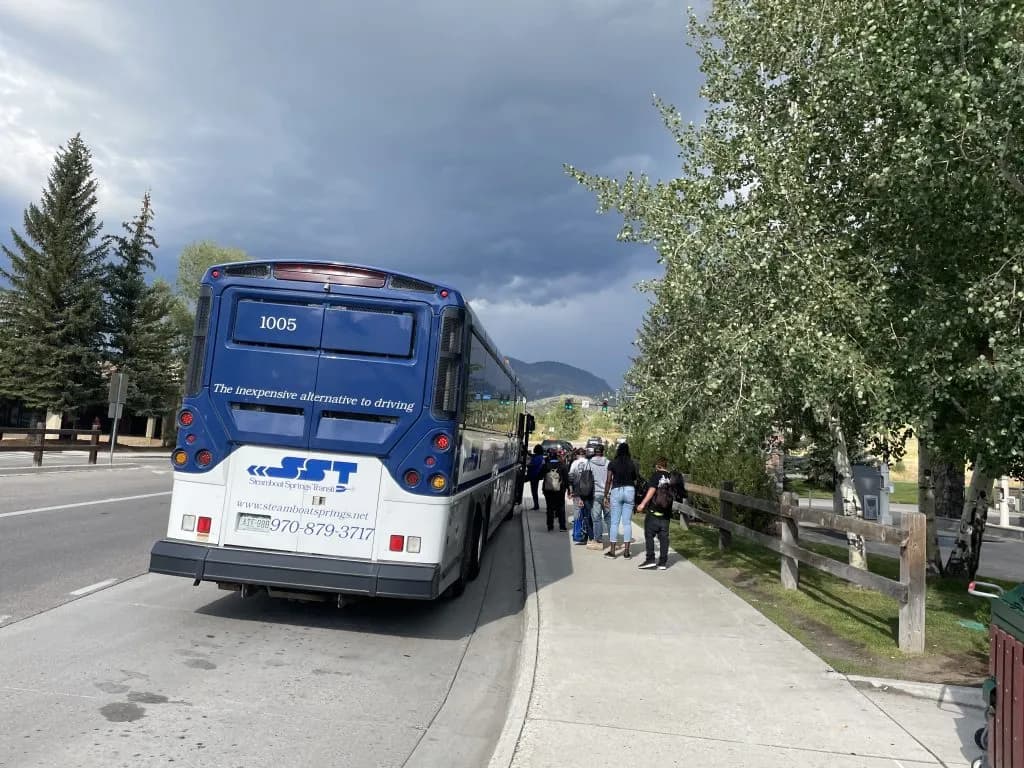
Run Rabbit Run Offers $20,000 Purse for 14th Edition
The 14th Run Rabbit Run offers a $20,000 purse for hares, making it one of the largest payouts in US ultra running.
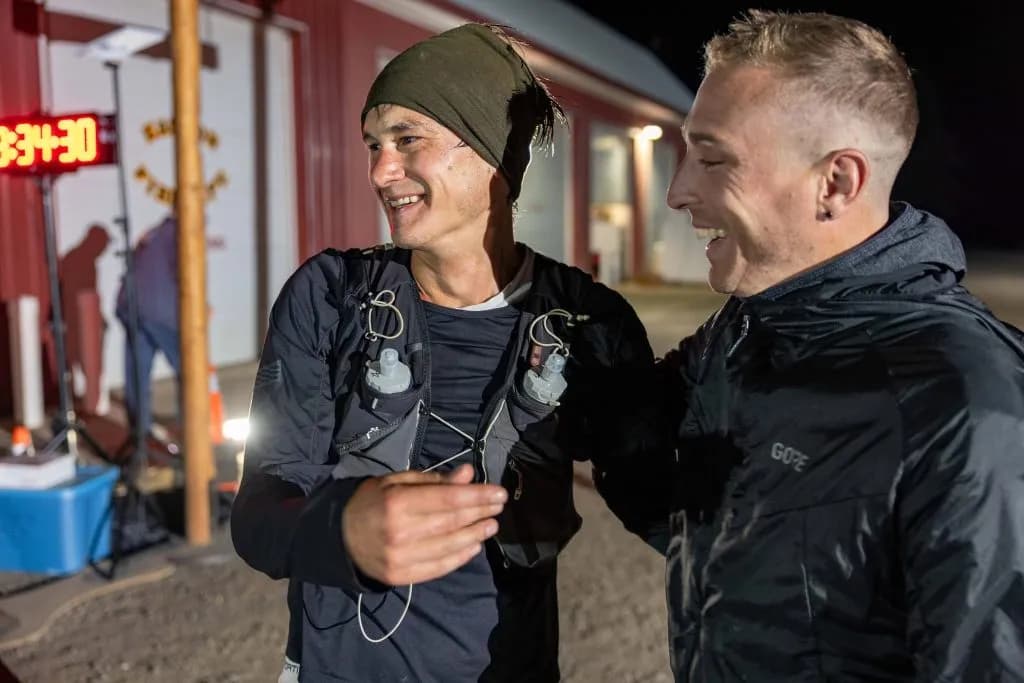
Steamboat Springs —Will the $20,000 purse change how runners tackle the 14th edition of Run Rabbit Run?
The answer, according to Race Director Fred Abramowitz, is yes. But not in the way most people think.
The Steamboat Pilot reported that the race returns Friday for its 14th edition, a milestone that marks a significant evolution from its humble beginnings. What started in 2007 as a 50-mile event has morphed into one of the country’s premier ultra-running spectacles, largely due to a financial structure that stands out in a sport typically defined by passion rather than paycheck.
The prize money is the hook. Hare division winners take home $20,000 — a figure that places this race among the largest payouts in the nation. Second place nets $8,500; third takes $5,000. Payouts extend to the top seven finishers. For a sport where few can make a living, Abramowitz sees this as more than just cash; it’s a strategic lever.
“It adds another wrinkle to the fold,” Abramowitz explained. “Ultra-running is typically not a sport that can be made into a stand-alone career. As such, we want to motivate the runners to push themselves in more ways than one.”
That motivation hits a specific nerve on this course. The 101.5-mile route begins and ends at the Steamboat Resort base, forcing runners to immediately assault the slopes of Mount Werner. It’s a brutal start. From the peak, they descend toward Fish Creek Falls and Long Lake before hitting Continental Divide Road, Summit Lake, and Buffalo Pass.
The real tactical puzzle emerges near the end of the first half. Hares are banned from using pacers for most of the race, with a single exception: a short segment between Spring Creek and Olympian Hall. This restriction forces runners to strategize their aid station stops with precision, knowing they can’t rely on a support crew for the bulk of the distance. They must know exactly what they need at each stop, from Buffalo Pass to Dry Lake, before the pacer window opens.
The race is split into two divisions: Tortoises start at 9 a.m., while Hares begin at 1 p.m. The time cutoffs reflect this split, with Tortoises allowed a 36-hour window and Hares facing a stricter 30-hour limit. Only Hares compete for the money, but both divisions contribute to a charitable mission that has become the race’s backbone.
Abramowitz noted that the event, born from a collaborative idea with friends, has donated approximately $750,000 to children’s causes in Northern Colorado. “We all collectively thought, ‘Why can’t we have a great summer race here,’” he said. “It’s grown into such a beautiful thing, that has helped so many wonderful people throughout the years.”
The course continues from Olympian Hall with a climb up Emerald Mountain, a circumnavigation of the peak, and a descent back to the base. From there, Hares can pick up their pacers again for the final push toward the Spring Creek trailhead and, eventually, the finish line at the resort.
It’s a route that demands respect. The combination of high-altitude terrain, strict pacer rules, and a purse large enough to change an athlete’s career trajectory creates a unique pressure cooker. The runners who understand that the money isn’t just for winning, but for the intensity it demands, will be the ones to watch.
The race kicks off Friday morning with the Tortoises, followed by the Hares in the afternoon. The first aid station waits at the top of Mount Werner, a silent reminder that the hardest part is always the first step.
Keep up with Steamboat Springs
The day's Western Slope news, one email each morning. Free.



Colorado DA Details 96 Sexual Assault Cases From 2023 To 2025

Georgie White’s Wild Legacy Challenges Outdoor Superwoman Myth