Snowmass Council Approves Nordic Trail Survival Plan
Snowmass Town Council backs a new management plan for the 106km Nordic trail system, utilizing artificial snow and adjusted grooming schedules to combat warming winters and secure affordable public access.
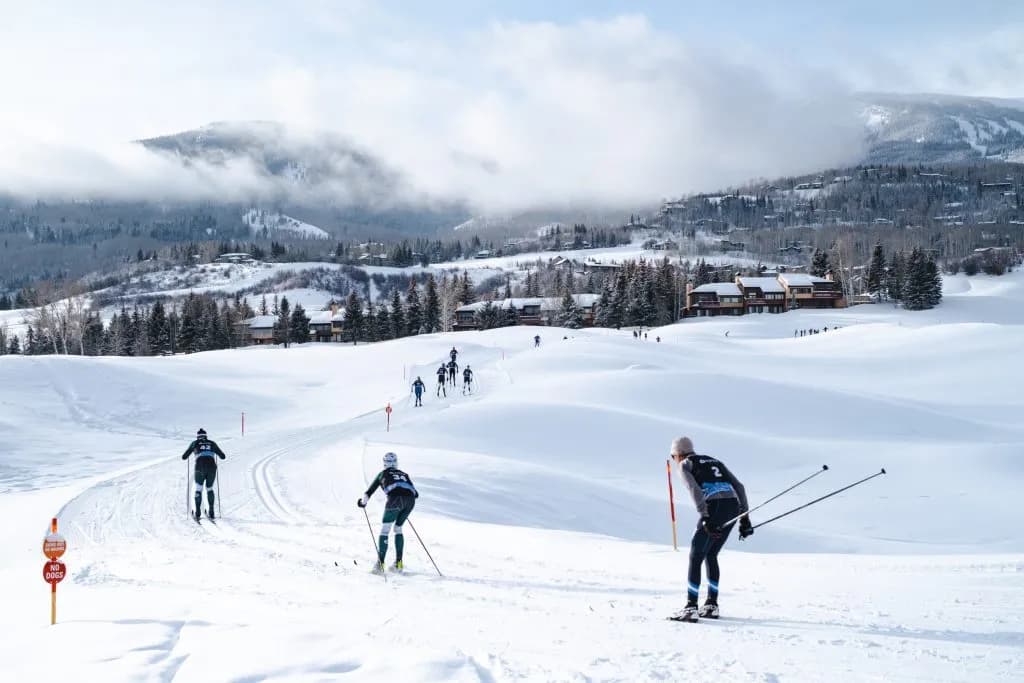
Aspen —“Having this Nordic trail system here opens up access to nature in a way that downhill skiing just can’t — as far as affordability goes.”
That’s Council Member Britta Gustafson’s pitch for why locals should care about the new Nordic trail system management plan. It’s a free asset. It’s accessible. And it’s facing a climate that’s getting warmer and drier.
The Snowmass Town Council backed the updated plan Monday. It’s not just a tweak to the grooming schedule. It’s a survival strategy for an activity built entirely on natural snow. The Aspen-Snowmass Nordic trail system covers 106 kilometers across Pitkin County. When the snow melts early, those kilometers vanish.
The immediate trigger for this overhaul was the 2025/26 season. Low snow and warm conditions made skiing difficult. The plan aims to prevent that from becoming the new normal.
Snow-making is the big lever here. The proposal suggests using artificial snow to fill gaps. Critics worry about water usage. John Wilkinson, president of the Aspen-Snowmass Nordic Council, pushed back. He says the system only needs six inches of base. That’s it. No half-pipes. No Fanny Hill.
Let’s look at the water math. Wilkinson claims the water required is equivalent to one week of watering at the local golf course. Seventy percent of that water melts back into the watershed. It’s not lost. It recycles.
But the council isn’t buying it entirely. They’re worried about water rights. Much of the trail network sits on the Snowmass Club Golf Course and private land along Owl Creek Road. If you’re making snow, you need water. If the water rights are tied up with the golf course, you need their permission. Wilkinson urged the council to talk to the golf course people about realigning trails. It’s a logistical headache, but it’s necessary if you want to keep the trails open.
The plan also includes practical adjustments. Grooming schedules will change. Snow will be allowed to set fully before machines touch it. This preserves the snow layer. Equipment will be upgraded to handle thinner snow without tearing it up. Insulated snow storage is on the table, too.
Then there’s location. The plan suggests building trails on higher ground. Difficult Campground and Independence Pass were floated as options. These areas hold snow longer. But higher ground means permits. It means easements. It means bureaucracy.
Council Member Cecily DeAngelo noted that climate resiliency requires more action items. She’s right. We may need to revisit how we participate with Pitkin County Open Space and the Nordic Council. If we don’t, we might not have a Nordic trail system here at all.
The core appeal remains affordability. Downhill skiing costs money. Lift tickets, gear rentals, food. This system is free. It opens up nature to people who can’t afford or don’t want the vertical drop experience. It’s a public good.
But public goods require maintenance. And maintenance requires water. And water requires rights.
The bottom line? The plan is a stopgap. It buys us time. It doesn’t solve the fundamental issue: we’re trying to ski on snow that’s becoming less reliable. The golf course alignment talks are critical. If the Snowmass Club doesn’t play nice with the water rights, the artificial snow strategy fails. And if the strategy fails, we’re back to hoping for a good winter.
For locals, this means the trails stay open longer. For taxpayers, it means monitoring water usage closely. One week of golf course watering isn’t a lot. But if the drought persists, every drop counts. The council is betting on efficiency. It’s a reasonable bet. Until the snow stops falling.
Keep up with Aspen
The day's Western Slope news, one email each morning. Free.