Snowmass Cuts Subsidized Housing Requirement to 1,300 Hours
Snowmass Town Council lowered the subsidized housing work requirement from 1,400 to 1,300 hours after early ski closures. Critics argue the cut is insufficient for workers who lost shifts all season.
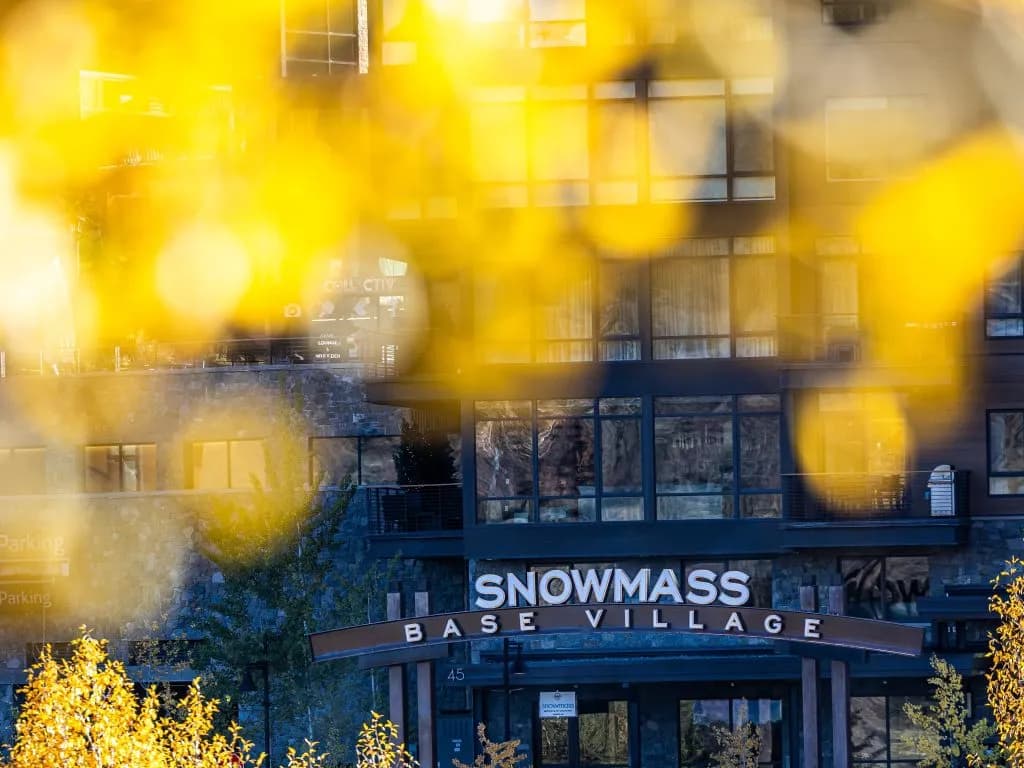
Aspen —1,400. That was the magic number. For years, if you wanted to rent one of Snowmass’s subsidized employee apartments, you had to prove you worked 1,400 hours a year. It sounds manageable until you realize that’s roughly 30 hours a week, sustained for 52 weeks. Now, subtract the reality of a ski season that barely happened.
The Snowmass Town Council just voted to drop that requirement to 1,300 hours. On paper, it’s a 100-hour reprieve. In practice, it’s a band-aid on a broken leg.
Let’s do the math on why this feels insufficient. Housing Director Kevin Rayes based the cut on the "truncated" schedules of the four local mountains. Aspen, Snowmass, Buttermilk, and Aspen Highlands all shut down early. Only Aspen Mountain made it to its planned closing date. According to a staff memo, a ski instructor working 30 hours a week lost up to 60 hours due to the early closure. A lift operator working 40 hours a week lost up to 80 hours.
So, the Council is giving back 100 hours. The data suggests people lost 60 to 80 hours just from the early shutdown. That leaves little room for the "deflated visitation" Rayes mentioned — the slow weeks in the middle of the season where even open lifts aren’t busy enough to keep everyone scheduled.
Sally Sparhawk, a local ski instructor, called out the gap at the public hearing. She noted that people didn’t just lose hours in the final two weeks. The reality, she argued, is that hours evaporated all season long.
This isn’t just about one town. The Aspen/Pitkin County Housing Authority (APCHA), which covers a wider area, still holds the line at 1,500 hours. Meg Simon, APCHA’s outreach coordinator, told The Aspen Times that the board believes the current standard works because it counts hours over the full calendar year. They argue this provides flexibility for seasonal workers. While Simon admitted APCHA can grant case-by-case waivers for layoffs, they haven’t lowered the bar across the board like Snowmass did.
For context, this matters because "workforce housing" is the only affordable option for the people who actually run the hotels, plow the roads, and operate the lifts. If the threshold is too high, qualified workers get priced out or forced to move, and the labor shortage gets worse.
Britta Gustafson, a Council member, signaled that the 100-hour cut might not be the end of it. She said she wouldn’t be opposed to looking at additional relief if this proves insufficient. Rayes plans to assess the true magnitude of the issue next year once end-of-year employment data is collected.
Until then, folks in the valley are left to wonder if 1,300 hours is a lifeline or just a slightly smaller hurdle to jump. The snow was low. The hours were lower. And the rent is still due.
Keep up with Aspen
The day's Western Slope news, one email each morning. Free.