Spanish Peaks Regional Health Center Tests AI to Plug Revenue Leaks
Spanish Peaks Regional Health Center in Huerfano County is testing agentic AI software from Iterate AI to automate appeals and recover hundreds of thousands in denied medical claims.
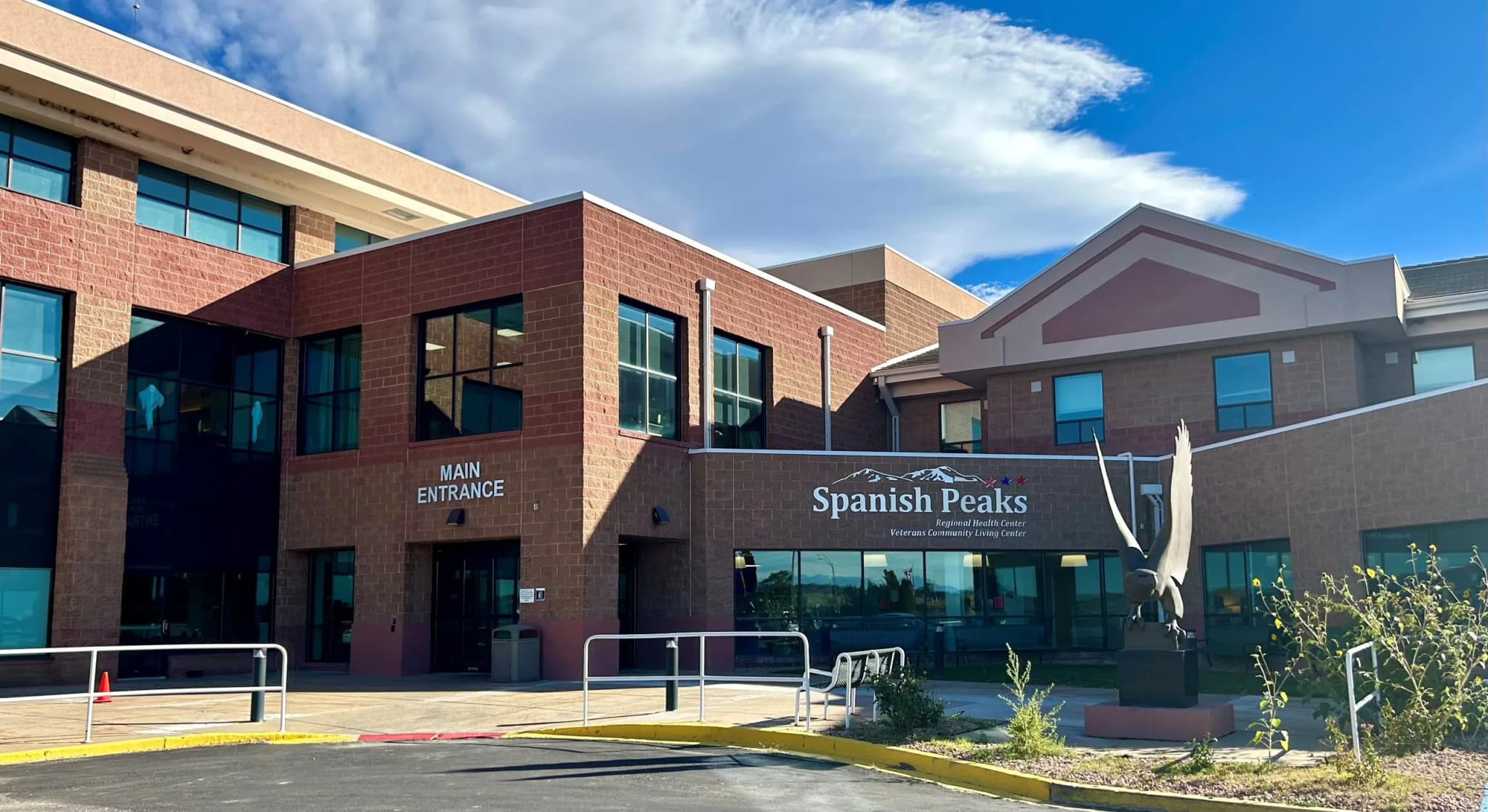
Colorado —The wind off the Sangre de Cristo range doesn’t care if your medical claim was denied. It just blows cold through the gaps in the siding at Spanish Peaks Regional Health Center, a 20-bed hospital and 90-bed nursing home that has spent years watching insurance companies ghost its invoices.
For context, a claim denied isn’t just a clerical error. It’s a revenue leak. And for this rural facility, the leak is wide enough to drown a small business.
The hospital is now testing agentic artificial intelligence to plug the hole. The trial, run in partnership with Denver-based Iterate AI, uses software "agents" to hunt down the specific codes and missing boxes that human staff miss when they’re buried under paperwork. The result? Appeals letters generated in minutes, not days, pulling directly from insurer contracts to justify the payment.
“We go after the high-priority or the high-dollar ones first,” said Daron Hashir, the hospital’s chief financial officer, who joined in February. The problem is timing. “If appeals aren’t resubmitted in a certain amount of time, you automatically lose it.”
Let’s do the math on what’s at stake. Hashir noted that individual claims average between $5,000 and $25,000. When you’re picking off denials across a facility that includes acute care services, the numbers stack up fast. “That could be the difference between us being able to continue certain service lines,” Hashir said. She put the potential losses at “hundreds of thousands of dollars.”
On paper, AI sounds like futuristic fluff. In practice, it’s a digital paralegal that doesn’t sleep. Iterate’s system doesn’t just flag errors; it analyzes pages of denial documents and drafts the legalistic language needed to force an insurer’s hand. It’s aggressive. It’s fast. And it’s necessary because the old way — humans staring at screens until their eyes bleed — is failing.
The broader healthcare industry is bleeding too. Kodiak, a health-tech consultancy, found that initial denial rates jumped to 11.6% last year, up from 10.2% in 2021. That shift contributed to $48.4 billion in lost revenue for billable services nationwide last year alone. That’s a 25% increase from the prior year. Insurers are denying more claims, and they’re doing it faster than hospitals can fight back manually.
This isn’t just about the hospital’s bottom line. It’s about the patient down the road. The Commonwealth Fund reports that one in five patients with private insurance has faced a coverage denial. Only about half appeal. The rest eat the cost or delay care. When a rural hospital like Spanish Peaks loses revenue, it doesn’t just shrink its budget. It threatens the viability of the acute services locals rely on when the highway closes or the specialist is an hour away.
The trial analyzed historic data to prove the concept. Now the question is scalability. Can this AI handle the volume of a larger system? Or is it just a band-aid for a broken billing model?
Hashir is betting on the former. She sees the AI agents as a way to recover what’s owed, not just what’s convenient for the insurer. “Even getting half of that back is going to be instrumental,” she said.
For the folks in Huerfano County, the bottom line is simple. If the AI works, the hospital stays open. If it doesn’t, or if the insurers find new ways to deny, the cost of doing business in rural Colorado goes up. And that cost gets passed down to the taxpayers and patients who have no other choice but to use the facility.
Keep up with Colorado
The day's Western Slope news, one email each morning. Free.



Federal Report Sets 200,000 Acre-Foot Water Conservation Target for Upper Basin
Colorado Parks and Wildlife Deploys Precision Drones for Weed Control