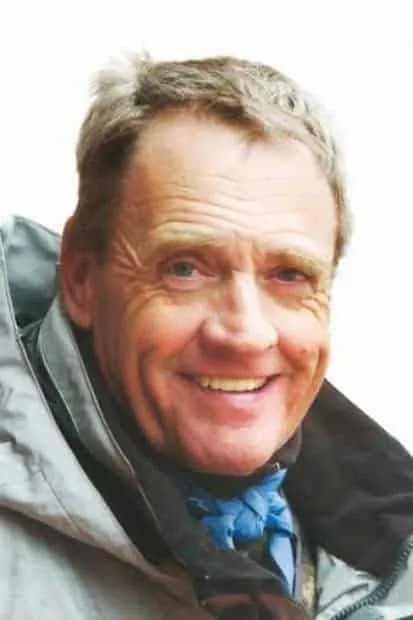
State Senator Roberts tours Western Colorado to explain 2026 legislative session
State Senator Roberts visited ten Western Colorado counties from Frisco to Craig to explain 2026 legislative session outcomes, highlighting roadway fatality bills and school funding increases.
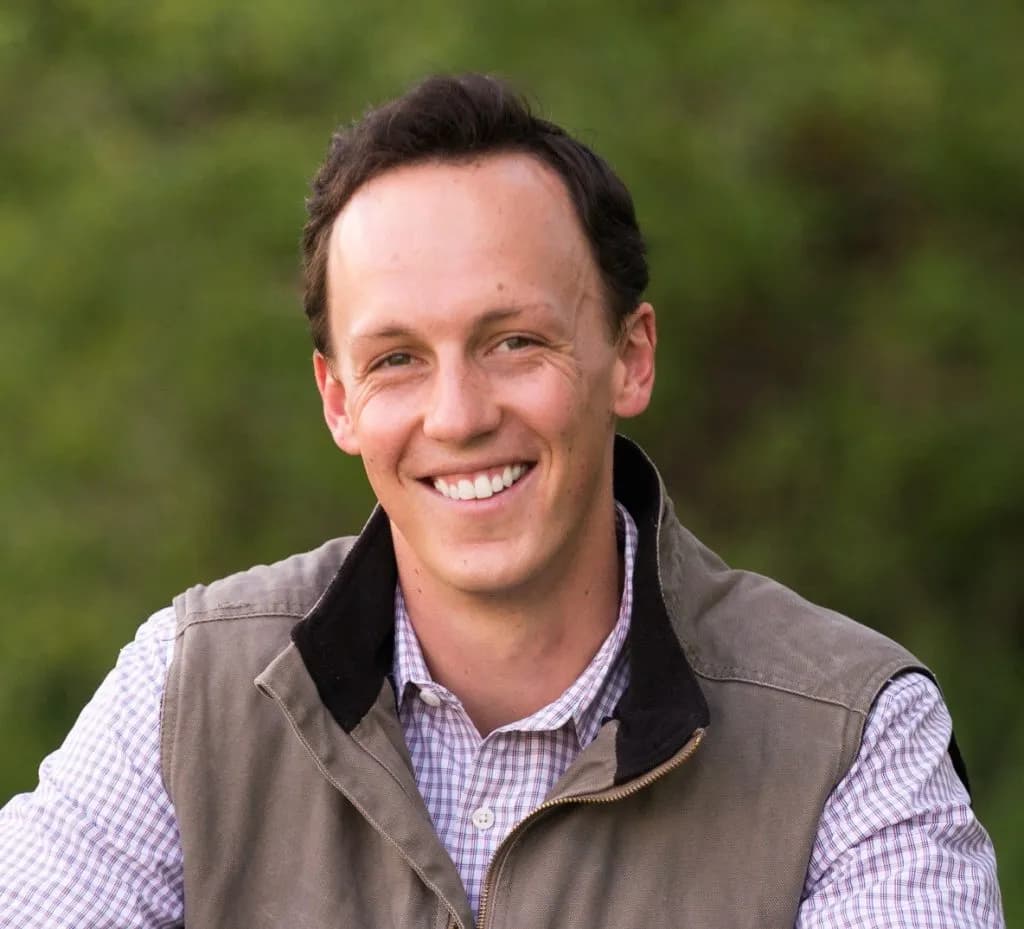
Aspen —The air in Frisco still holds the crisp bite of late summer, a sharp contrast to the heated, crowded rooms where state officials recently gathered to discuss the very roads that wind through those mountain valleys. It is a familiar rhythm for anyone who has lived in the valley: the legislative session ends, the dust settles, and then comes the long, winding drive back to the people who elected you. This year, State Senator Roberts didn’t just stay in Denver; he took the tour, hitting ten counties from Rio Blanco to Garfield, trying to bridge the gap between the Capitol’s marble halls and the potholed reality of local life.
The premise is simple enough, though rarely practiced with such consistency: democracy isn’t meant to happen in the abstract void of comment sections. It happens face-to-face, in the kind of rooms where you can hear the hum of the projector and feel the weight of a constituent’s skepticism. Roberts completed his annual post-session town hall tour alongside fellow members of the Colorado General Assembly, aiming to explain what actually happened during the 2026 legislative session. The crowds were strong, turning out in numbers that suggested folks around here still care about who is making the rules, even if they aren’t always happy with the result.
In Frisco, Granby, and Walden, the conversation turned quickly to the road itself. Speaker Julie McCluskie and Roberts listened as residents recounted the terror of seeing headlights in the wrong lane. Grand County had just suffered its deadliest year on record for roadway fatalities in 2025, a statistic that feels less like data and more like a scar on the landscape. The horror of those head-on collisions, often caused by illegal passing, drove the sponsorship of SB26-035. The bill isn’t just about fines; it increases penalties for crossing the double yellow line and creates escalating consequences for repeat offenders, while directing the Colorado Department of Transportation to add signage in the corridors where crashes happen most. It is a direct response to the sound of crunching metal and the silence that follows.
But the road issues went deeper than just speeders. The Speaker and Roberts also presented the Wildlife Collision Prevention Act, SB26-141, a measure that asks drivers to opt into a $5 fee during vehicle registration to create a Collision Prevention Fund. With wildlife collisions costing Coloradans an estimated $321 million a year — more than any other western state — the argument is that we are paying for the lack of infrastructure. The fund will build the crossings, the fencing, and the habitat connections that keep both people and deer on their respective sides of the highway. This pragmatic solution addresses a problem that feels increasingly urgent as the seasons change and the herds move.
Further west, in Meeker, Rangely, Steamboat Springs, and Craig, the focus shifted from asphalt to economics. Rep. Meghan Lukens and Roberts talked about school funding, noting that even while closing a major budget shortfall, they passed the School Finance Act, SB26-023. This act increases statewide per-pupil funding and ensures that no school district receives less than it did last year. But the conversation also touched on the uneasy transition of energy towns. As the state’s energy landscape shifts, so too must the economic foundations of these communities, and the legislators promised work to bring promising opportunities to the towns that have long powered the grid.
In Glenwood Springs, Rep. Elizabeth Velasco joined Roberts to hear about wildfire threats and the persistent concern over affordable housing. It is a dual threat for rural and mountain highways: the fire that burns the trees and the cost that prices out the teachers who teach in them. Meanwhile, in Idaho Springs and Central City, Rep. Lesley Smith discussed ballot measures and a growing, specific worry: e-bike safety for young riders. As e-bikes surge in popularity among kids and teens, serious injuries are rising, a modern problem that demands a modern response on the old trails.
You can feel the tension in these rooms, not just in the questions asked, but in the way the answers are delivered. There is no sugarcoating the budget shortfalls or the rising death tolls on the roads. There is only the work, and the hope that showing up makes a difference. As the town halls wind down and the buses head back to Denver, the real test remains: will the promises made in those crowded rooms translate to the pavement outside? The answer will come in the form of a new sign on a highway, a repaired school budget, or perhaps just the quiet hum of an e-bike battery charging in a driveway, waiting for the next ride.
Keep up with Aspen
The day's Western Slope news, one email each morning. Free.