Steamboat CDOT Facility Replacement Faces Challenges
CDOT faces challenges in replacing its outdated facility on Rabbit Ears Pass, seeking a new site for a transportation hub east of Steamboat with a budget of $11 million and a deadline of summer 2027.
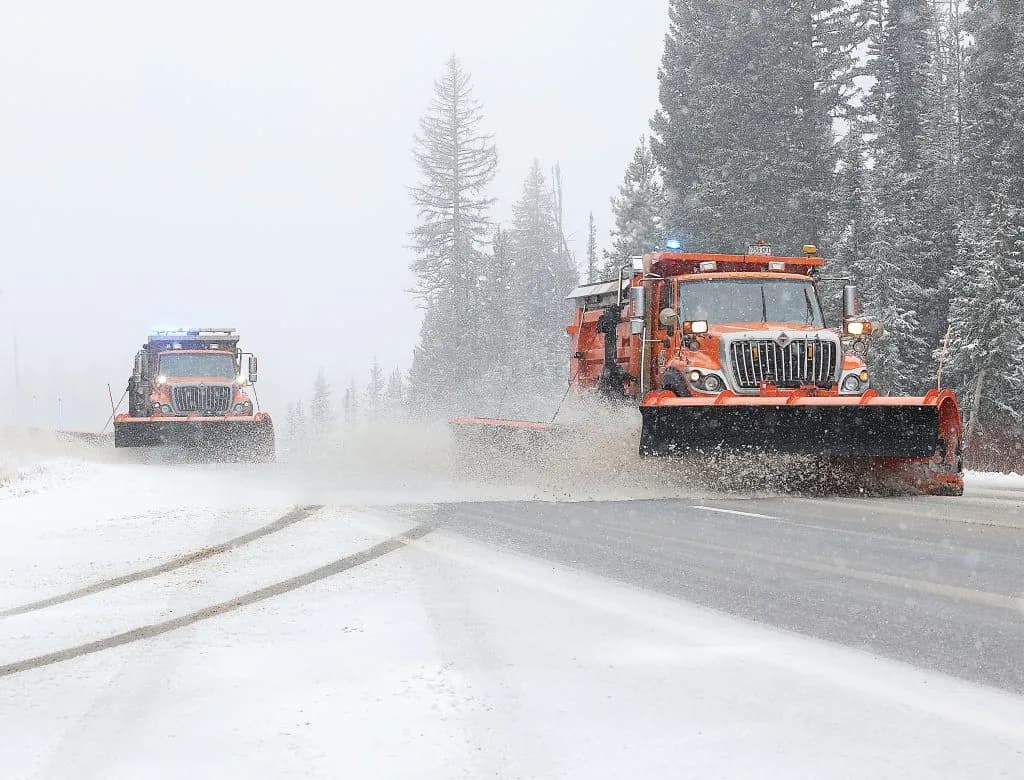
Steamboat Springs —Snowplows idle at the Rabbit Ears Pass facility, a hub that's nearing the end of its lifespan. CDOT Executive Director Shoshana Lew says it's imperative to find a new site — the current one can't handle modern equipment, and its remote location slows response times. Workers must clear snow from the facility before they can start plowing, a delay that's unacceptable in a region where snowfall can be intense.
CDOT operates two spaces in the area, one in downtown Steamboat and the other on Rabbit Ears Pass. However, this facility is no longer viable, and the agency is looking to consolidate operations and open a new transportation hub east of town. The new facility will require approximately 3.5 acres, depending on the layout, and must be located near U.S. Highway 40 and Colorado Highway 131 south of Steamboat. This location is crucial for quick response times and efficient snowplowing operations.
Nine potential sites have been considered, including the Chuck Lewis Wildlife Area, but none have been deemed feasible. CDOT Property Management Deputy Program Director David Fox says Colorado Parks and Wildlife approached them about potential shared housing, but the Chuck Lewis site is no longer an option. The search for a suitable site is the largest hurdle, and CDOT welcomes public input. Lew emphasizes that finding a site is priority number one, and the agency is exploring all avenues to secure a location.
The current facility on Rabbit Ears Pass has several issues, including an outdated septic system and inadequate housing for workers. Modern plow equipment requires upgraded bays for storage, and CDOT is looking into providing better housing options for its employees. Lew notes that housing is a significant issue in Steamboat, and the agency wants to provide adequate accommodations for its workers. The housing at the existing facility is showing its age, and CDOT is keen to improve working conditions.
The project is currently budgeted to begin in summer 2027, with construction costs estimated at $11 million. However, there's a real concern that a suitable site won't be found in time. If CDOT is forced to remain at its current location, it will need to invest $1 million per year to keep the existing facility operational. This is a significant burden, and the agency is working with Routt County, the city, and individual landowners to find a better location. Lew stresses that it's incredibly important to the safety of Steamboat and Routt County that this project has an adequate site.
CDOT is collaborating with local authorities to identify a site that meets their needs. The agency is willing to engage with individual landowners and explore all options to secure a suitable location. This collaborative approach is crucial in finding a site that works for everyone involved. As the search continues, locals will be watching to see if CDOT can find a site that balances the needs of the agency with the concerns of the community. The clock is ticking, and the agency must find a solution before the summer 2027 deadline. Make no mistake, the safety of Steamboat and Routt County depends on it.
The short version: CDOT needs a new site, and it needs it soon. The agency is exploring all options, but the lack of progress is concerning. With a budget of $11 million and a deadline of summer 2027, the stakes are high. CDOT must find a site that works, or risk being stuck with a facility that's no longer fit for purpose. Read that again: $1 million per year to keep the existing facility running is a significant burden, and one that CDOT is keen to avoid. The question is, can they find a site that meets their needs before it's too late? Worth watching: the collaboration between CDOT, local authorities, and individual landowners will be crucial in finding a solution that works for everyone.
Keep up with Steamboat Springs
The day's Western Slope news, one email each morning. Free.