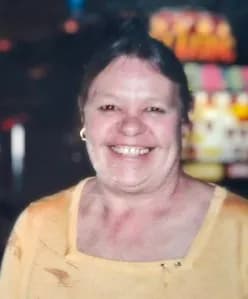
Craig Resident Faces Daily Challenges Due to Height
A Craig resident shares her daily struggles with everyday tasks due to her height, highlighting the need for community support and inclusive design.
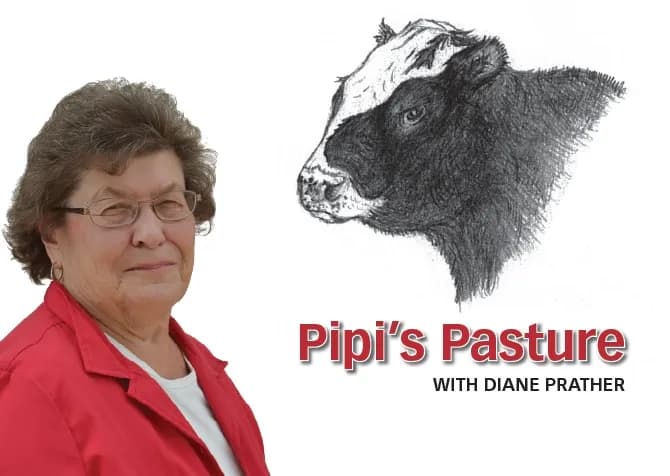
Craig —Saturday morning in Craig, the sun rises over the small town, casting a warm glow over the residents as they go about their day. Diane Prather is among them, tackling the routine task of changing clocks for Daylight Saving Time. But for Prather, this simple chore becomes a challenge — she's only 4 feet 11.25 inches tall. She retrieves a step stool from the utility room, hoping to navigate the clock's new position on the wall without incident.
This is just one of many everyday obstacles Prather faces due to her height. She doesn't consider it a handicap, but rather an inconvenience that requires creative problem-solving. Take the propane tank gauge — a task that would be effortless for someone taller. Prather must either carry a step stool into the yard or enlist help from someone passing by. The grocery store poses similar challenges, with top-shelf items often out of reach. Prather has learned to ask for assistance from clerks or fellow customers, sometimes even trading favors, like reading labels for a customer with impaired eyesight.
The post office is another hurdle, where packages are sometimes stored in hard-to-reach compartments. Prather relies on the kindness of strangers to retrieve her parcels. Even the waste management dumpster across the county road proves difficult, with its heavy lid requiring considerable strength to lift. Prather's experiences serve as a reminder that our world isn't always designed with everyone in mind; the shelves are too high, the counters too tall, and the tasks too daunting for those who don't meet the average height requirement.
Make no mistake, these aren't just minor annoyances; they're legitimate barriers that can affect daily life. The short version: being short can be a real challenge in a world that often seems designed for the taller majority. Worth watching is how communities like Craig might adapt to become more inclusive, providing solutions for residents like Prather who face these everyday obstacles. For now, Prather continues to find ways to overcome these hurdles, often relying on the help of others or her own resourcefulness.
In the grand scheme, these may seem like small issues, but they add up. The fact that Prather has developed a system to cope with these challenges is a significant aspect of her daily life. However, it also highlights the need for greater awareness and accommodation. As Prather herself notes, there are worse problems than getting a can down from a top shelf - but that doesn't mean we should ignore these issues or the people they affect. The community can learn from Prather's experiences, and perhaps, it's time to reexamine the way we design our public spaces and everyday tasks to be more inclusive. Read that again: inclusive. It's a concept that benefits everyone, regardless of height.
The challenges Prather faces are not unique to her; there are likely others in the community who encounter similar difficulties. Folks around here know that a little kindness can go a long way. a customer helping a stranger reach a top-shelf item or a clerk offering assistance with a package. These small acts of kindness can greatly impact someone's day, making the world feel more accessible, more inclusive.
As the day goes on, the sun begins to set, casting a warm orange glow over the town. Prather's story serves as a reminder that even in the most mundane tasks, there can be challenges that require creativity, resourcefulness, and sometimes, a little help from others. The community can take a cue from Prather's determination and the kindness of strangers, working towards creating a more inclusive environment for all. That's what it's all about, creating a world that works for everyone, regardless of height.
The local community is built on the principles of kindness and support. The fact that Prather can rely on her neighbors to help her overcome these challenges is a significant part of her life. However, this also raises questions about the broader implications of a world not designed for everyone. People in the valley face similar challenges, and the community's response will be crucial in addressing these issues. The community can start by listening to stories like Prather's, raising awareness about the issues that matter.
Keep up with Craig
The day's Western Slope news, one email each morning. Free.