Inflammation Poses Significant Threat to Heart Health Locally
Understanding the role of inflammation in heart health and its impact on local communities, including the risks and proactive steps to mitigate its effects.

Glenwood Springs —February may be over, but the threat to heart health persists — and it's not just about cholesterol. Inflammation, a condition often overlooked, plays a significant role in heart attacks. Dr. Feinsinger's recent column, "Are your arteries on fire?" shed light on this critical issue, and it's worth paying attention to.
Make no mistake, inflammation is a serious concern. There are two types of inflammation: acute and chronic. Acute inflammation can be beneficial, aiding in the healing process after an injury, but it can also be harmful, causing atherosclerotic plaque to rupture, resulting in heart attacks and strokes. The numbers are staggering — 80,000 to 100,000 heart attacks occur annually in the U.S. due to acute inflammation from influenza. That's a compelling reason to get a flu shot every fall.
Chronic inflammation, on the other hand, is always harmful. It contributes to the formation of arterial plaque and plaque rupture. The causes of chronic inflammation are varied, including obesity, hypertension, high cholesterol, prediabetes, diabetes, tobacco, too little exercise, too much exercise, sleep apnea, stress, chronic tooth and gum disease, unhealthy diet, and inflammatory diseases such as rheumatoid arthritis, asthma, and inflammatory bowel disease. These factors are not uncommon in our community, and acknowledging their impact on heart health is vital.
The Bale-Doneen method of heart attack prevention is a recognized program that involves determining if a patient has atherosclerosis and looking for the inflammation that caused plaque to form. This approach also includes doing detective work to find and reverse inflammation that can cause plaque to rupture, resulting in a heart attack or stroke. Locals should be aware of this method, as it may be available in our area.
Several blood tests can determine if someone has vascular inflammation, often referred to as "fire in your arteries." The hsCRP test measures elevation due to arterial inflammation, but it can also be caused by infections, arthritis, or even a hard workout. The F2-isoprostane test is elevated in people with an unhealthy lifestyle and is often referred to as the "lifestyle lie detector test." This test is also elevated in overexercisers, such as ultramarathoners, highlighting the importance of balance in physical activity. The microalbumin/creatinine ratio is a urine test that measures inflammation of the endothelial lining of arteries in the kidneys, and individuals with elevated values are at a higher risk for heart attacks or strokes. Lastly, the Lp-PLA2 test is an FDA-approved blood test that, if elevated, is a marker of arterial wall inflammation and likely plaque rupture.
These tests are not just abstract concepts; they have real-world implications for our community. For instance, the cost of these tests can range from a few hundred to several thousand dollars, which is what Delta County spends on road maintenance in a month. However, the cost of not addressing chronic inflammation can be much higher, both in terms of human life and economic burden.
Read that again: the threat of inflammation to heart health is significant, and it's not just about cholesterol. The Bale-Doneen method and these blood tests offer a way to address this issue, but we must acknowledge the underlying causes of chronic inflammation. As we move forward, we will need to consider the role of inflammation in heart health and take proactive steps to mitigate its effects. The short version: this is a serious concern that we should be taking seriously.
In our valley, we have a tendency to focus on the obvious risks, but it's the hidden threats that can be the most damaging. Chronic inflammation is one such threat, and it's time we start paying attention. What's not being said is that this is not just a personal issue, but a community-wide problem that requires a collective response. We need to be aware of the risks and take steps to address them, rather than waiting for a crisis to occur. The fact that we're not talking about this more is a concern in itself.
As we consider the implications of heart health, our local healthcare providers' response to inflammation will be worth watching. They may start to incorporate the Bale-Doneen method and these blood tests into their practice, which could significantly impact our community's approach to heart health. The question is, what will it take for us to take this threat seriously?
Keep up with Glenwood Springs
The day's Western Slope news, one email each morning. Free.




White River National Forest Proposes New Management Zones at Sweetwater Lake
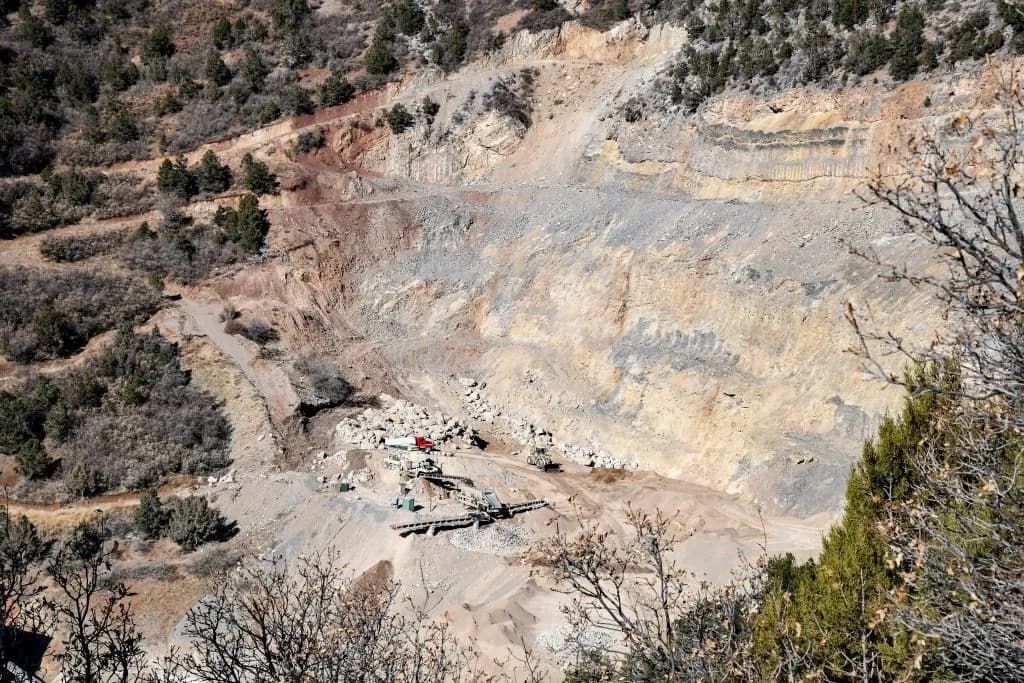
Bennet and Hurd Introduce Bipartisan Bill to Block Mid-Continent Quarry Expansion