Colorado River Trout Spawning Closures Protect Delicate Ecosystem
Learn about the importance of trout spawning closures on the Colorado River and how they protect the delicate balance of the ecosystem.
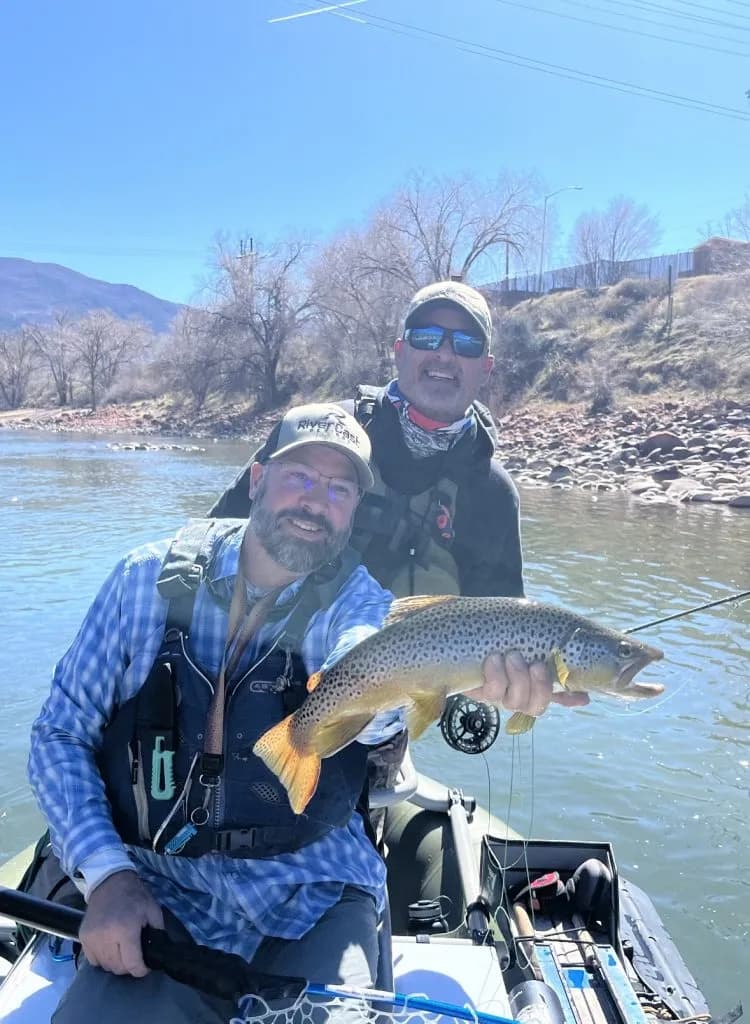
Vail —The sun rises over the Colorado River, casting a warm glow over the water as it flows gently through the valley. A fishing boat drifts downstream, the sound of the river flowing beneath it, as guide Bryant Compton points out the spawning closures on some of the feeder creeks.
Here's the thing though: these closures aren't just about protecting the trout, they're also about preserving the delicate balance of the ecosystem. As Compton mentions, the spring closure period, from March 5 to May 31, is in place to safeguard the spawning grounds of rainbow and cutthroat trout. The same closure is enforced again from Oct. 1 to Nov. 30, this time to protect brook and brown trout spawning.
Picture this: a cutthroat trout, its body a vibrant display of colors, with a bright slash, bold fins, and a worn tail, caught on the Colorado River. This is what the spawning season looks like, a time when fish morph into beautifully painted specimens, driven by an uncontrollable desire to move, dig gravel, and mate. As Michael Salomone notes, "Nothing brings about aggressive behaviors and colored up faces like the heat of reproduction."
And that matters because, during this time, trout will migrate significant distances to find ideal spawning ground and reproduce. They display "unnatural" behaviors, guarding, river bottom manipulation, and maintaining close proximity to their breeding partner. This, in turn, affects the behavior of other trout, as they're attracted to the abundant food source of eggs. Brown trout, for instance, will set up below active reds, where eggs have been dispersed, and feed on the occasional egg that gets caught in the drift of the current.
Not exactly a secret, but locals know that Grizzly Creek and No Name Creek, both flowing into the Colorado River, are among the locations with historically strong spawning numbers, and thus, receive closures. The borders of these closures stretch from 50 yards upstream of the confluence to 50 yards downstream, as well as half a mile up the creek. It may not seem like a far distance, but respecting the spawning fish means holding off on casting for a little longer than necessary.
As the fishing boat continues downstream, the sound of the river grows louder, and the sun beats down on the water. The trout, now in the midst of their spawning season, are a sight to behold, their colors showcasing the beauty of nature. Compton's words echo, "We gave the spawning fish respect and held off casting for a little longer than necessary."
In the stillness of the morning, the only sound is the gentle lapping of the water against the shore, as a cutthroat trout, its body a vibrant display of colors, swims quietly in the depths of the Colorado River.
Keep up with Vail
The day's Western Slope news, one email each morning. Free.