Dr. Feinsinger Recommends Daily Cruciferous Veggies for Prostate Cancer Prevention
Retired physician Dr. Feinsinger advises Western Slope residents to eat daily servings of cruciferous vegetables like broccoli and kale to reduce prostate cancer risk, emphasizing proper cooking methods to preserve sulforaphane.
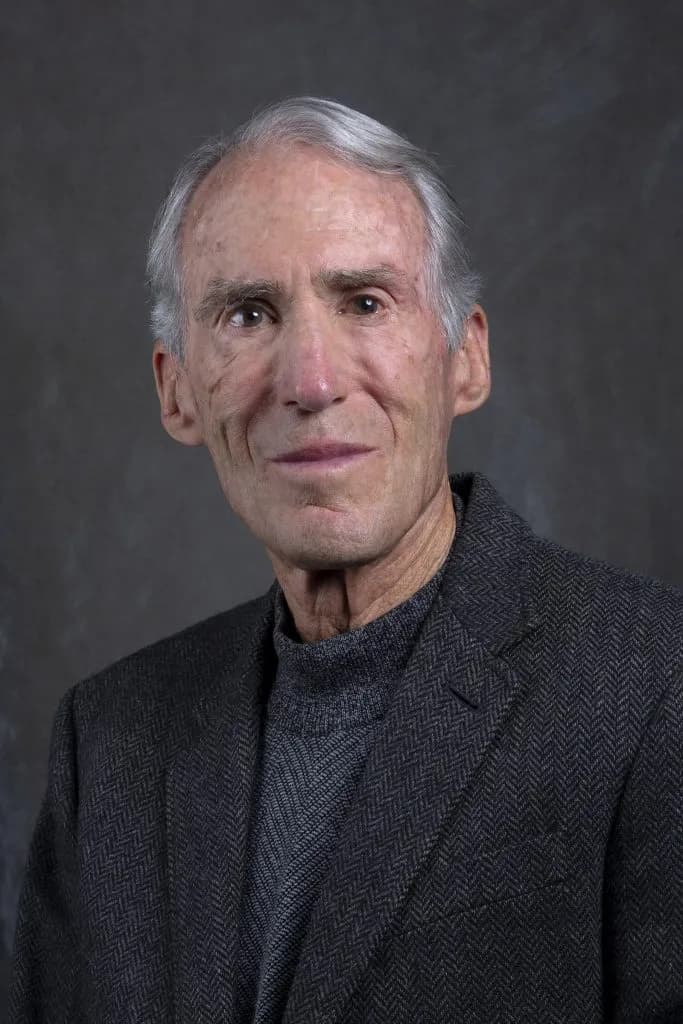
Glenwood Springs —What’s the one thing you’re probably skipping at dinner that could actually shrink your risk of prostate cancer?
It’s not the expensive superfood from the health food store. It’s not some exotic berry flown in from Ecuador. It’s broccoli. Or kale. Or that weird, tight-headed cabbage sitting in the back of your fridge, wilting since Tuesday.
Dr. Feinsinger, a retired family physician with a focus on prevention, is telling locals to stop ignoring these vegetables. In his latest column, part of a series based on Dr. Michael Greger’s Daily Dozen from the 2026 revised edition of How Not to Die, Feinsinger makes a case for eating cruciferous vegetables every single day. The name itself is a hint: it comes from crux, the Latin word for cross, referring to the four-petaled flowers these plants produce. You know them. You’ve probably been eating them wrong.
The list is long. Kale, cabbage, arugula, bok choy, broccoli, cauliflower, Brussels sprouts, collard greens, radishes (including horseradish), mustard greens, turnip greens, and watercress. That last one is easy to forget, but it’s in the family. Feinsinger recommends a specific daily serving: half a cup of cooked or one cup of raw leafy cruciferous vegetables, half a cup of raw or cooked nonleafy varieties, a quarter cup of broccoli sprouts, or a tablespoon of horseradish.
Why the obsession? Because these vegetables contain sulforaphane, a compound that does heavy lifting in the body. It stops the growth of cancer cells in a petri dish. It targets breast cancer stem cells. It reduces the risk of prostate cancer. It prevents DNA damage and helps fight infections. It even protects against environmental pollutants, which matters for folks breathing mountain air mixed with wildfire smoke.
But here’s the catch. And it’s a big one. Cooking destroys the enzyme myrosinase, which is required to convert the precursor into that beneficial sulforaphane. If you just boil your broccoli and eat it, you’re getting fiber, sure, but you’re missing the magic.
Feinsinger offers practical workarounds for the Western Slope cook. Eat them raw, like arugula in a salad, and chew well. Chop them up and wait forty minutes before cooking to let the enzyme do its job. Sprinkle mustard powder or add daikon radishes to your cooked greens to supply the missing enzyme. If you’re making a green smoothie, stick to raw. And be careful with frozen vegetables — they’re flash-cooked before freezing, so you need to apply those same strategies if you’re relying on the freezer aisle.
What about supplements? Feinsinger points out that studies show the bioavailability of sulforaphane is dramatically lower in supplements like BroccoMax compared to fresh broccoli sprouts. He suggests growing your own sprouts in a special jar. It’s simple. It’s cheap. It beats buying pills that might not work.
Not exactly rocket science, but it requires intention. Most of us grab whatever is on sale. This advice demands a shift in how we shop and prepare food. It’s about recognizing that the vegetable itself holds the power, provided we don’t cook the power out of it.
Picture a kitchen counter in Delta or Grand County. A bowl of raw kale sits next to a pot of boiling water. The choice is there. The science is clear. The question is whether we’re willing to wait those forty minutes, or chop those radishes finely, to get the benefit.
Keep up with Glenwood Springs
The day's Western Slope news, one email each morning. Free.



White River National Forest Proposes New Management Zones at Sweetwater Lake
Bennet and Hurd Introduce Bipartisan Bill to Block Mid-Continent Quarry Expansion