Astro Mark Laurin Guides Stargazers to May Meteor Showers
Keystone Science School instructor Astro Mark Laurin explains how to view the Eta Aquarid meteor shower and the rare May micromoon, offering tips for amateur stargazers on the Western Slope.
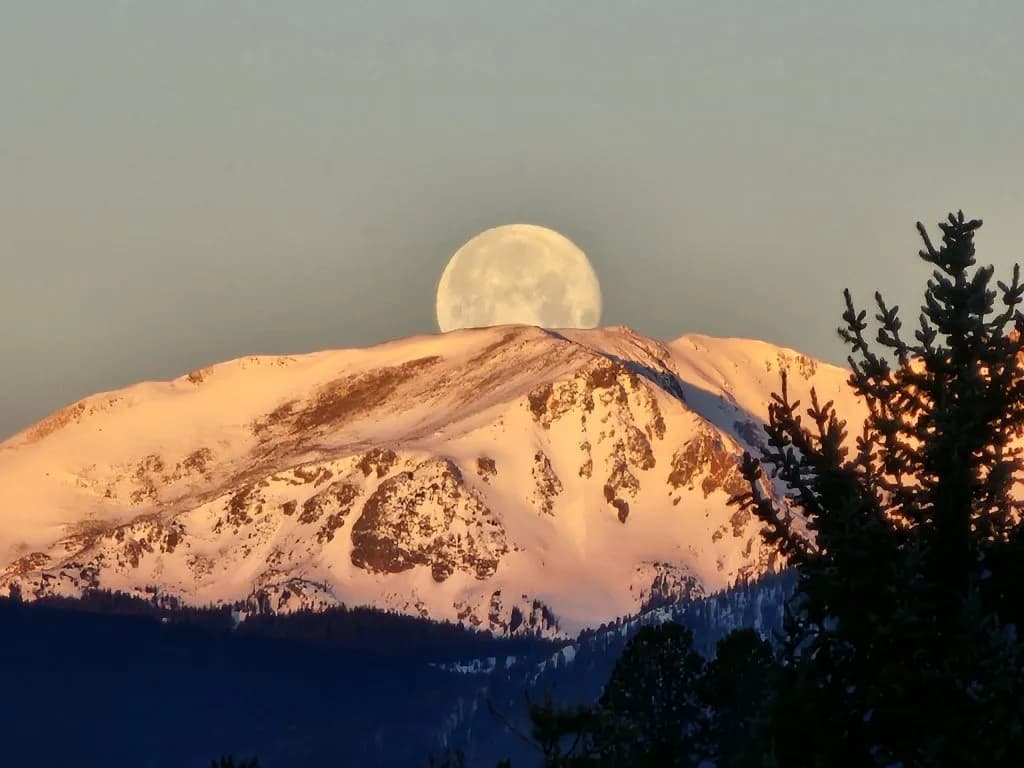
Steamboat Springs —The air on the Western Slope still holds the day’s heat well into the evening, a lingering warmth that settles over the orchards and the high desert floor, making it the kind of night where you leave the windows open and step out onto the porch just to breathe. It is that specific, comfortable coolness that marks the beginning of something many locals forget to look for: the sky itself.
Mark Laurin, known to the community as Astro Mark, doesn’t just see stars; he sees a calendar written in light. As an adjunct instructor with the Keystone Science School and a mentor for DarkSky Colorado, Laurin has spent years mapping the celestial rhythms that govern our nights. He calls May the start of “galaxy season,” a period when the Earth’s tilt shifts away from the dense, dusty band of our own Milky Way, opening a clearer window into the deep universe. It’s not just about warmer nights, though that helps. It’s about perspective. When you look up in May, you are looking through less of our home galaxy’s debris, making distant galaxies and star clusters sharper, clearer, and more accessible to the amateur astronomer with a decent pair of binoculars.
This month, the sky offers a double feature for those willing to stay up late or wake up before dawn. First, there is the Eta Aquarid meteor shower, peaking on the early morning hours of Wednesday, May 6. Laurin notes that this shower, which can deliver roughly 20 shooting stars per hour, is the result of Earth passing through the debris trail left by Halley’s Comet. You don’t need a telescope for this; you just need to find a spot away from the sodium-vapor glow of the town lights, look toward the northeast horizon, and wait. The radiant point, where the meteors seem to emanate from, will be visible after 2:30 a.m., though the peak activity hovers around 3 a.m.
But the sky isn’t just about fleeting streaks of light. Later in the month, on May 1, the moon will be full, and then again later in the month, we’ll see a second full moon — a “blue moon,” though in this case, it will be a “micromoon,” appearing slightly smaller than usual because it’s at its farthest point from Earth. This rarity, having two full moons in a single calendar month, is a celestial quirk that happens every few years, offering a chance to see the moon’s craters and maria in greater detail as it rises later in the night.
Laurin, who is also a member of the Denver Astronomical Society and the Astronomical League, emphasizes that this is a time for wonder, not just observation. He writes in his monthly blog that May heralds a season where we gaze at these distant islands of stars and take pause. It’s a reminder that while we’re worried about property taxes and the price of gas, there is a vast, silent architecture above us that operates on its own timeline, indifferent to our schedules but visible to anyone who takes the time to look.
The Eta Aquarids will remain active through about May 28, giving stargazers a long window to catch the display, while the micromoon offers a rare opportunity to see the lunar surface in its diminished glory. It’s a subtle shift, but one that changes the quality of the night. The darkness feels deeper, the stars feel sharper, and the air, still carrying the scent of sage and dry earth, feels like a bridge between the ground beneath your feet and the infinite space above.
Keep up with Steamboat Springs
The day's Western Slope news, one email each morning. Free.



UCHealth Doctors Offer Back-to-School Health Tips for Steamboat Families
Monsoonal Rain Breaks Colorado High Country Heat Wave