Routt County Gardeners Shift from Snowmelt Timing to Soil Temperature
As snowpack in Routt County becomes less predictable, local gardeners are abandoning traditional snowmelt timing in favor of monitoring soil temperature and improving water retention.
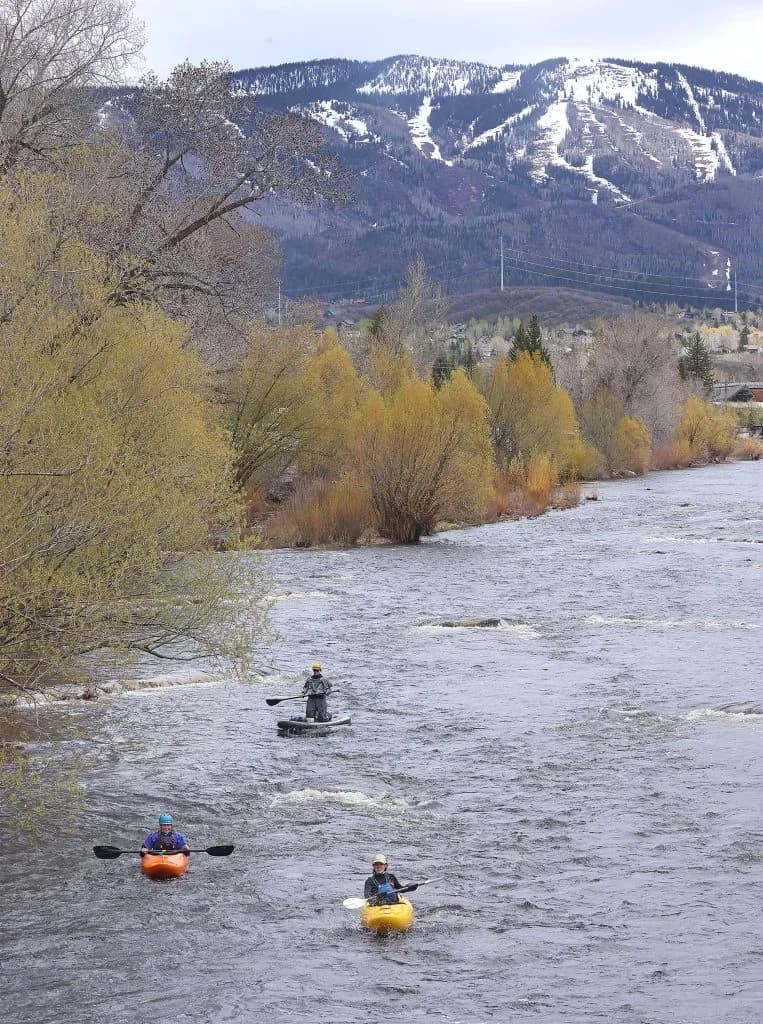
Steamboat Springs —“Planting season officially begins ‘when the snow finally melts off Emerald Mountain.’”
That’s the rule of thumb locals have clung to for generations. It’s a poetic marker, sure, but it’s becoming a dangerous one. The snowpack that used to act as a quiet, reliable business partner for Yampa Valley gardeners is getting shorter and less predictable. The result? We’re watering sooner, we’re watering more often, and we’re losing crops to false confidence in April thaws that vanish under late-May snowstorms.
Let’s be clear: the calendar is no longer a reliable guide. The soil temperature is.
Most vegetables don’t care if it’s May 1st. They care if the ground is sitting at a consistent 50–60°F. A simple digital soil thermometer costs less than a bag of premium mulch and saves you from wasting seed on a bed that’s still frozen solid or baking too fast. That’s the new baseline. If you’re planting based on the almanac alone, you’re gambling.
The mechanics of the change are straightforward. In years with deep, steady snow cover, meltwater releases slowly. It soaks in. It refills groundwater. It keeps seedbeds moist well into early summer. You drag the hose a few times in June, you’re good. When snowpack is thin or melts too quickly, the soil dries out earlier. The moisture vanishes faster than optimism during fourth mud season. Vegetables, ornamentals, and even hardy perennials get vulnerable to spring winds and summer heat.
This isn’t just about hydration; it’s about structure. Organic matter is now more valuable than ever. Compost improves water retention. Mulch reduces evaporation. Cover crops protect soil structure while building long-term fertility. It’s not rocket science, but it is a shift in priority. We used to focus on getting plants in the ground. Now we have to focus on keeping them alive once the snow leaves.
Some folks are even experimenting with “snow capture.” It sounds like a military operation, but it’s just strategic placement. You use windbreaks, fencing, or raised beds to trap drifting snow right where you need it — in the garden bed — instead of letting it melt away in the driveway or get plowed into a dirty pile. You’re essentially building a local reservoir out of the winter’s accumulation.
Resilience is the new green thumb. That means diversifying plantings. You plant early, mid, and late-season crops so you aren’t betting the whole harvest on one weather window. You choose drought-tolerant varieties. You rethink irrigation, moving away from overhead sprinklers that waste water to drip systems and moisture sensors that deliver exactly what the plant needs. You extend the season with cold frames and row covers that give plants a head start regardless of when the snow finally clears.
The future of snowmelt gardening in Routt County looks different than it did a generation ago. It’s not bleak, but it is harder work. It requires paying closer attention to soil conditions, water management, and seasonal patterns. It requires accepting that “Emerald Mountain” is no longer a reliable clock.
For the folks around here, the bottom line is simple. You can either adapt your gardening practices to the reality of a changing snowpack, or you can keep planting on schedule and watch your water bills and crop yields take the hit. The snow isn’t going away, but it’s not staying put like it used to.
Keep up with Steamboat Springs
The day's Western Slope news, one email each morning. Free.


UCHealth Doctors Offer Back-to-School Health Tips for Steamboat Families
Monsoonal Rain Breaks Colorado High Country Heat Wave