Why Sauvignon Blanc Is the Ideal Spring Wine for Grand Junction
Discover why Sauvignon Blanc is the perfect transition wine from winter to spring in Grand Junction, offering crisp acidity that pairs beautifully with seafood and spicy cuisine.
Aspen —The question is whether you can actually find a wine that doesn’t taste like wet cardboard when the temperature hits 70 degrees and the snow melts off the Grand Junction hills.
It’s spring. The aspen leaves are just starting to unfurl, and folks are already thinking about swapping their heavy winter coats for light jackets. Naturally, that means swapping the heavy reds for something lighter. Something crisp. Something that doesn’t make you feel like you’re drinking a warm blanket.
That’s where sauvignon blanc comes in.
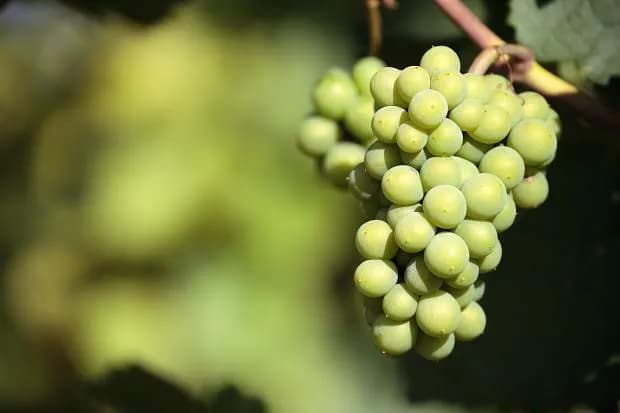
It’s not just a trend. It’s a logistical necessity for anyone trying to enjoy a glass of wine with a plate of fresh seafood or a spicy Thai curry without feeling like they need a nap afterward. The grape is everywhere now — over 300,000 acres planted globally. You’ve got the big producers in Napa, the cool-climate outfits in Elgin, South Africa, and the Casablanca Valley in Chile. But the real story isn’t just about volume. It’s about how this specific grape handles the shift from winter to spring.
"Strangely, in some ways, sauvignon blanc can be an anomaly," the source notes. "On the one hand, it is one of the world’s most popular grapes... And in recent years, it has become an even more significant variety for winemakers."
But here’s the rub: not everyone likes it. Not right away.
If you’re used to the buttery, oaked comfort of a chardonnay, a dry sauvignon blanc can feel sharp. It can feel like a shock to the system. It’s got that crispness, that tartness, that hallmark of a young wine that some find off-putting. It’s herbal. It’s green. It’s acidic.
"To those I say try, try again because sauvignon blanc wines, properly chilled, can be the perfect accompaniment to any number of fresh, summer foods," the source advises.
And that’s the key. Properly chilled.
Think about the local menu. We’re talking about fresh seafood. Oysters. Grilled whitefish. If you pair those with a heavy red, you’re fighting the food. But a dry Sancerre? A minerally Pouilly-Fumé? Both from the Loire Valley in France? They sing with the fish. The stone and soils of the region define the minerality, and the wine lifts the flavor rather than burying it.
Then there’s the spice angle. If you’re grabbing takeout from the local Thai spot on Main Street, that heat can be a problem for high-alcohol wines. But a lower-alcohol New Zealand version — what the Kiwis call "Savvy", tames the spice. It enhances the tropical notes. It doesn’t just sit there; it interacts.
"It is perhaps the crispness and tartness, the hallmark of a young sauvignon blanc, that can make it a bit of a challenge for those who prefer the more rounded flavor profiles of, say, a buttery, oaked chardonnay," the source explains.
But if you’re ready for the flavors of the season; citrus fruits, fresh melons, green apples - then the timing is right. Chile has become a leader in producing this grape, and the value is there. You’re not paying for the hype; you’re paying for the versatility.
Sourced from Bordeaux, the grape’s ancestral home, it can be elegant. In the Loire Valley, it’s resplendent with that sense of place. In New Zealand, it basically built an entire wine industry on the variety.
"The time is ripe," the source says.
It’s not just about drinking something because it’s March. It’s about drinking something that matches the day. When the sun is out, when the air is crisp, and when you’re eating food that’s actually fresh, heavy reds feel wrong. Sauvignon blanc feels right.
"It is just so versatile," the source concludes.
Global plantings confirm the shift. The regional specialties are established. The only variable is whether you’re willing to adjust your palate for the season.
Keep up with Aspen
The day's Western Slope news, one email each morning. Free.