The obvious narrative is that a small town like Rifle is getting dragged into a neighbor’s backyard fight
The obvious narrative is that a small town like Rifle is getting dragged into a neighbor’s backyard fight. But to hear them tell it, the calculus is much broader. Rifle City Council didn’t just vote to help Glenwood Springs; they…
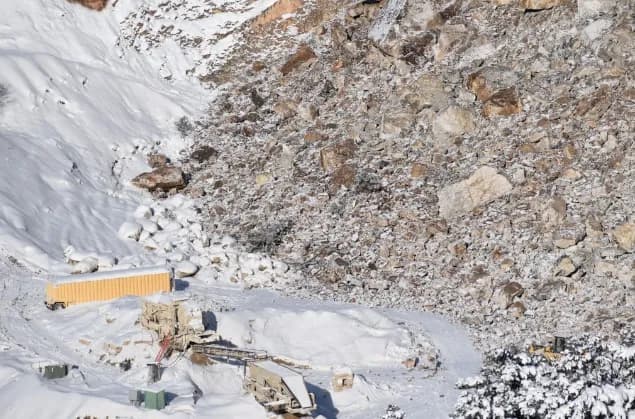
Rifle —The obvious narrative is that a small town like Rifle is getting dragged into a neighbor’s backyard fight. But to hear them tell it, the calculus is much broader. Rifle City Council didn’t just vote to help Glenwood Springs; they voted to protect the entire Western Slope’s regulatory framework.
On Wednesday, the Rifle City Council unanimously backed federal legislation known as the Glenwood Hot Springs Protection Act. The bill, introduced in July by Rep. Jeff Hurd and Sens. Michael Bennet and John Hickenlooper, aims to stop the U.S. Department of the Interior from approving expansion plans for the Mid-Continent Limestone Quarry. That quarry, operated by Rocky Mountain Industrials (RMI), sits on Bureau of Land Management (BLM) land about a mile north of downtown Glenwood Springs.
Why does Rifle care about a mine in Garfield County? The answer lies in precedent. If the federal government allows a company to expand a mine despite local objections and regulatory disputes, it sets a dangerous example for every other resource extraction project in the region.
Rifle City Manager Patrick Waller explained the strategic value of the bill. “This would bypass the BLM regulations and everything else that’s in place and would legislatively shut down the operations of that mine,” Waller said. By creating a specific legislative barrier, the act removes the ambiguity that often favors large operators over local communities.
The history of the quarry is messy. For years, RMI has sought to expand beyond its current 16-acre footprint. Disputes have flared between the company, Garfield County, and the federal government. In 2019, the county issued a cease-and-desist order, claiming the quarry was operating outside approved boundaries. RMI sued, arguing state and federal oversight trumped county rules. The district court sided with the county in 2021, though RMI appealed.
Then came the BLM. In 2022, the agency concluded the quarry was degrading land outside its parameters. It blocked the expansion, citing concerns about high-wall mining above the processing plant. The risk materialized in January 2023 when a rockslide brought down part of the plant. By 2024, the Department of the Interior ordered RMI to stop selling limestone for common uses, a violation of their permit. Finally, in 2025, the State of Colorado denied the mining expansion.
Despite these setbacks, the fight isn’t over. Rifle City Attorney Jim Neu noted that political pressure is reviving the issue. “Our local representatives are now asserting their political pressure to the rest of the federal government with this act,” Neu said. He emphasized that while businesses and residents oppose the expansion, it is often outside forces driving the agenda. This bill represents a unified regional response.
Mayor Pro Tem Karen Roberts highlighted that the stakes extend beyond Glenwood Springs. “It protects water rights, it protects a noise ordinance because blast,” she said. The potential for increased blasting, dust, and traffic affects neighbors in Rifle and beyond.
The question is whether this bipartisan effort will hold up in Congress. The math holds up locally, with unanimous support from Rifle and growing backing from other Garfield County municipalities. But that depends on who you ask in Washington.
For now, the community has made its position clear. As Mayor Pro Tem Roberts put it, the act is about preserving the quality of life for everyone in the valley. It’s not just about stopping a mine; it’s about keeping the promise of local control intact.
Keep up with Rifle
The day's Western Slope news, one email each morning. Free.