Trout Magazine Editor Rebrands Conservation Media as Upbeat Community Hub
Trout Magazine editor Kirk Deeter argues the publication is a community hub rather than a corporate brochure. He aims to replace environmental anxiety with practical optimism and positive storytelling for anglers.
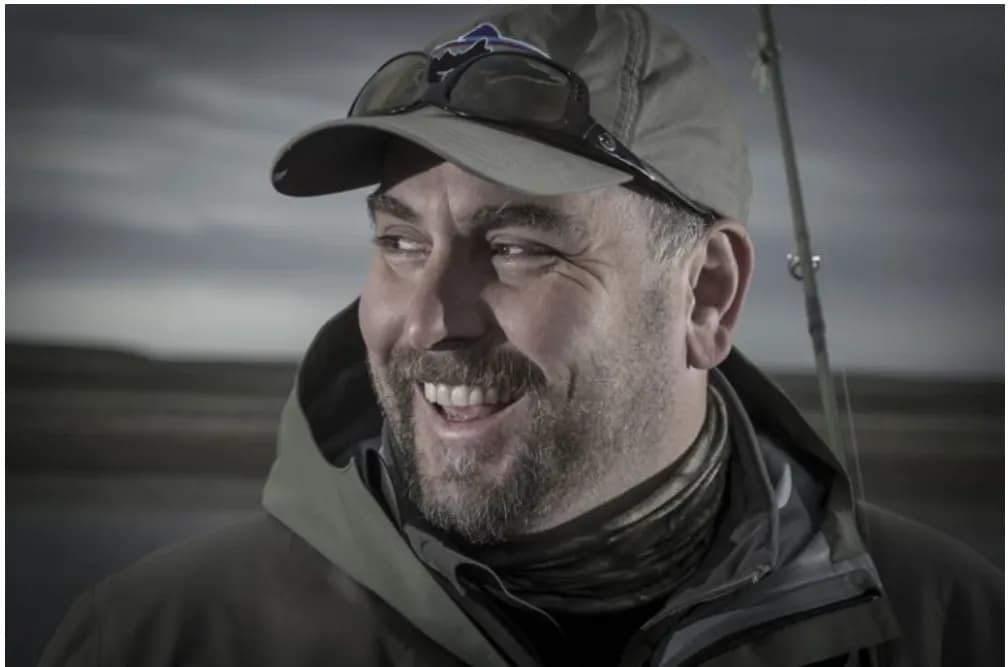
Steamboat Springs —The obvious take on Trout Magazine is that it serves as a glossy brochure for a national conservation giant. It is, after all, the official publication of Trout Unlimited, an organization with deep pockets and a massive footprint in public lands advocacy. But to view the magazine merely as corporate communications is to miss the point entirely. To hear Kirk Deeter tell it, the publication is less a marketing tool and more a community hub, a place where the "doom and gloom" of environmental anxiety is traded for the practical optimism of people actually getting work done.
Deeter, who has lived in the Yampa Valley for years, took over the editor-in-chief role in 2012. Before that, he cut his teeth as a sportswriter in Pennsylvania and later served as editor-at-large for Field & Stream. His background matters because it informs the tone of the magazine. He isn’t writing for shareholders; he’s writing for anglers who care about the health of their local streams.
This distinction is crucial when looking at the editorial strategy. The Craig Daily Press notes that the magazine frames urgent environmental issues with nuance, avoiding the trap of catastrophizing. In a political climate often defined by division, Deeter sees an opportunity to emphasize accomplishment. "Conservation doesn’t always have to be doom and gloom," he said. "It’s not all Chicken Little and the sky is falling. We’re meeting the challenges and we’re fixing things and we’re changing the world in a good way. We should be an upbeat magazine. It should be positive."
That approach relies on a specific understanding of the relationship between the organization and its members. For many nonprofits, the dynamic is transactional: you pay dues, you get access to resources. Deeter wants to complicate that exchange. He views the magazine as the tangible return on investment for members who contribute financially to Trout Unlimited’s mission.
"We are asking for money all the time," Deeter explained. "So, I look at my role in the organization to be the editor who gives back. I am going to give you a product that entertains you, that teaches you how to fish, tells you where to fish, but mostly, makes you fall in love with trout fishing."
This perspective shifts the focus from institutional prestige to personal connection. The magazine’s content — covering travel, technique, and nostalgia — serves to bind anglers through a shared passion rather than just a shared cause. It’s a subtle but significant difference. One creates customers; the other creates community.
As Trout Unlimited continues to expand its influence, the role of its publications becomes increasingly important. The question is whether the organization can maintain this balance of advocacy and accessibility. Deeter seems confident that the answer is yes, provided they stay true to the core values of the fishing community.
In the end, the success of Trout Magazine may depend less on its ability to raise awareness for conservation causes and more on its ability to keep readers engaged and excited about the sport. If Deeter can achieve that, the magazine will likely remain one of the finest in the outdoor genre for years to come.
"We should be an upbeat magazine," Deeter concluded. "It should be positive."
Keep up with Steamboat Springs
The day's Western Slope news, one email each morning. Free.