Trump Cuts Bears Ears and Grand Staircase-Escalante Monuments by 90 Percent
President Trump issued proclamations to shrink Bears Ears and Grand Staircase-Escalante national monuments by roughly 90 percent, a move Utah officials cheered for resource access but tribal leaders condemned as an erasure of cultural history.
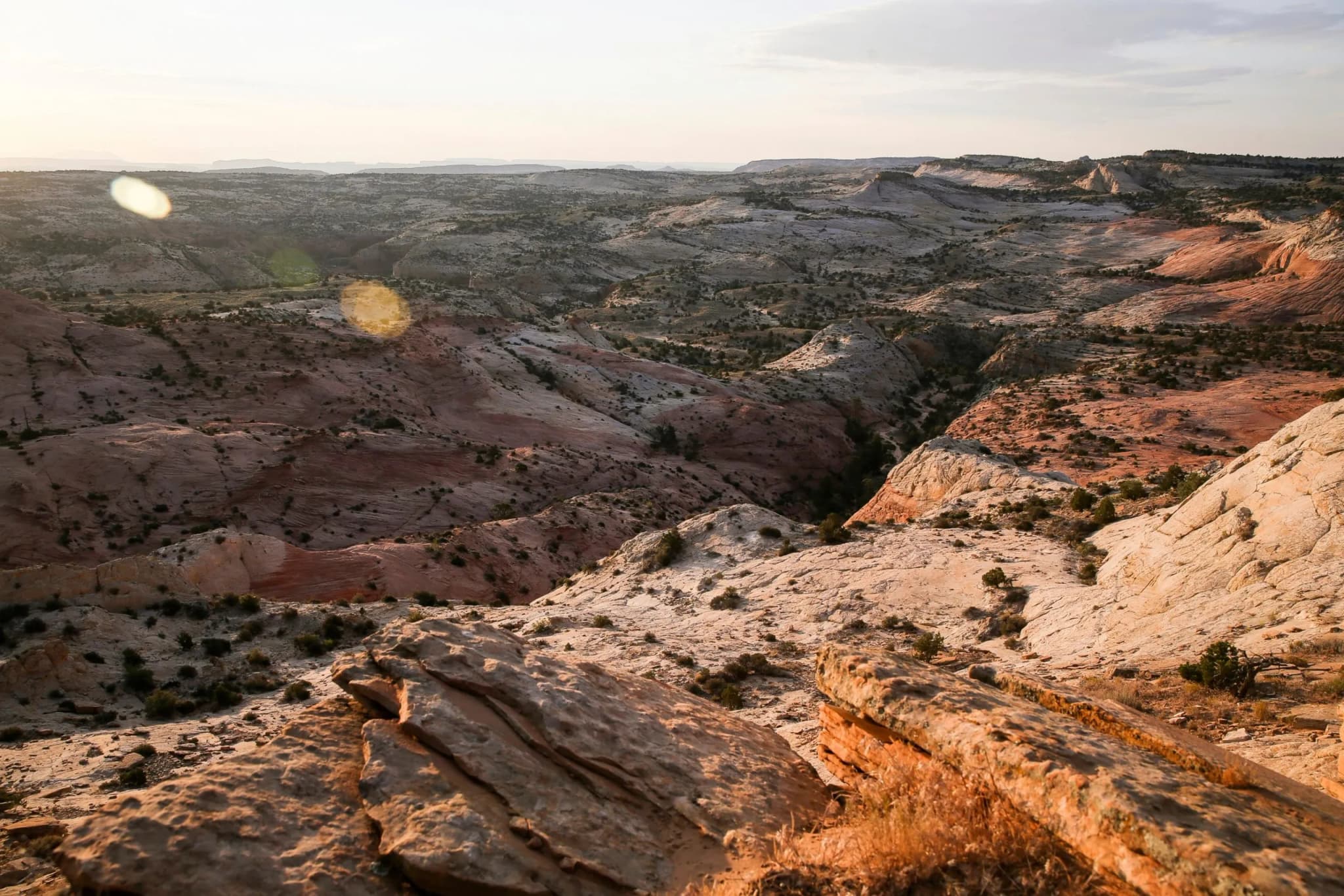
Colorado —The obvious take on President Donald Trump’s latest move in Utah is that it is a victory for energy and mining. It is also, to hear the tribal leaders tell it, an erasure of history.
On Monday, Trump issued proclamations under the Antiquities Act to reduce the size of Bears Ears and Grand Staircase-Escalante national monuments by approximately 90%. The combined acreage dropped from more than 3.2 million acres to less than 303,000 acres.
State officials in Utah cheered the decision as a correction to what they viewed as excessive federal control. But for Navajo citizens and other tribal members, the reduction is not just a change in boundaries — it is a shift in who gets to define the land’s value.
“They took the land from the people quite honestly,” Trump said at a signing event in the White House. “We’re giving it back.”
The math holds up for those who prioritize resource extraction. The 1906 law that allows presidents to designate these sites was used by Democrat Bill Clinton in 1996 for Grand Staircase-Escalante and by Barack Obama in 2016 for Bears Ears. Both designations locked up vast stretches of southern Utah, rich in coal and uranium deposits, from immediate development.
Utah officials had long argued that the state should control its own lands. Trump’s first-term reductions were reversed by President Joe Biden, but this time the rollback is sharper. In his first term, Trump left Grand Staircase-Escalante at 1 million acres and Bears Ears at 213,000 acres. Monday’s move shrinks them further, clearing the way for expanded drilling, mining, and logging on these taxpayer-owned lands.
However, the political victory in Salt Lake City comes with a cultural cost that tribal leaders are quick to highlight.
Davina Smith-Idjesa, a citizen of the Navajo Nation and co-chair of the Bears Ears Inter-Tribal Coalition, said tribal leaders had braced for a reduction since Trump was elected to his second term. She called the decision “heartbreaking” and accused federal officials of sidestepping their legal responsibility to consult with impacted tribal nations.
“From a Navajo perspective, Bears Ears is not simply a piece of federal public land,” Smith-Idjesa said. “This is a living cultural site that holds our histories, our ceremonies, our traditional foods and medicines and our ancestors’ footprints.”
The monuments contain ancient cliff dwellings, petroglyphs, and scenic canyons. By reducing their size, the administration is effectively removing protections for imperiled species and rolling back conservation rules. The question for locals in Utah, and for those watching the broader Western landscape, is whether the economic boost from increased resource extraction justifies the loss of these historic and ecological safeguards.
Trump’s administration has sought to reshape land management across Western states, concentrating power in the hands of federal agencies that favor development. Congressional Republicans have supported this shift, arguing that the previous designations were a “massive land grab” by Democrats.
This is a big day for Utah, according to state officials. But it depends on who you ask when you measure the value of a mountain range.
“We’re giving it back,” Trump said, framing the reduction as a restoration of local control. Yet for Smith-Idjesa and her coalition, the land was never truly gone — it was just being managed in a way that didn't prioritize their living culture. The debate now shifts to how the reduced monuments will be managed, and whether the promise of economic opportunity translates into tangible benefits for the communities that have stewarded these lands for centuries.
Keep up with Colorado
The day's Western Slope news, one email each morning. Free.
Federal Report Sets 200,000 Acre-Foot Water Conservation Target for Upper Basin
Colorado Parks and Wildlife Deploys Precision Drones for Weed Control