UCHealth Expert Explains West Nile Virus Symptoms and Prevention
UCHealth's Dr. Michelle Barron breaks down West Nile virus symptoms, from mild fever to severe neurological issues, and outlines key prevention steps for locals.
Steamboat Springs —A $14 million project. Twelve units.
Wait, that was the housing story. Let’s reset.
West Nile virus is a mosquito-borne illness. It’s been in the United States since 1999. It got its name from the Nile River Delta in Egypt, where it caused outbreaks in the 1950s. It started in Uganda in 1937. Now it’s here.
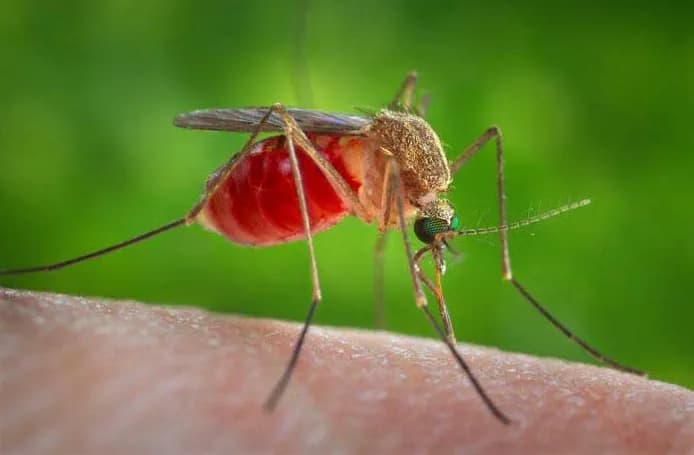
Only female mosquitoes bite humans. They carry the virus. They spread it through bites. Most people who get it don’t feel sick. Or they feel mild symptoms: fever, headache, body aches, fatigue. In rare cases, it hits the nervous system. Swelling in the brain. Encephalitis. Meningitis.
Dr. Michelle Barron is the senior medical director of infection prevention and control for UCHealth. She’s the one locals need to listen to. Her two key messages are simple. Protect yourself from bites. Seek medical care if you feel ill.
“If your infection progresses to persistent headaches, confusion, muscle weakness, numbness or tingling, you need to be seen by a doctor as quickly as possible,” Barron said.
The season usually runs from June through September. If the fall is wet and mild, mosquitoes keep circulating. They keep infecting people. That’s the local reality. We get our share of wet springs. We get our share of lingering humidity. The window for infection doesn’t just close on September 22.
Symptoms vary. Headache. Fever. Diarrhea. Muscle weakness. Tingling or numbness. Neck stiffness. Flu-like symptoms. Rashes are possible. Not common. If you’re feeling unwell, call your doctor.
Severe illness is the danger zone. It affects the nervous system. Clumsiness. Problems walking. Brain fog. Cognitive issues. Memory problems.
“People sometimes will start acting strange, or they’ll have cognitive issues,” Barron said. “They might have trouble with word finding. They might be a little slower or will have some weaknesses develop. Walking can be a challenge. They can have a polio-like syndrome where they can’t walk and have paralysis.”
Anyone with these symptoms needs immediate care. Not a wait-and-see approach. Immediate.
There is a test. If you’re sick and suspect West Nile, get tested.
Mosquitoes become infected by feeding on birds and other animals. Then they pass it to humans. It’s a cycle. We’re just the accidental hosts.
For context, most people will have minor symptoms. Many won’t even know they had it. But the severe cases don’t care about your age. It affects healthy people of all ages.
The practical takeaway for folks around here is straightforward. It’s not about panic. It’s about prevention. Check your screens. Dump the standing water in your gutters. Use repellent. If you start feeling weird — confused, weak, unable to walk — don’t drive yourself to the hospital. Call the doctor. Get seen.
This isn’t a new threat. It’s an annual tax on our outdoor lifestyle. Pay it in mosquito bites, or pay it in medical bills. The choice is yours.
Keep up with Steamboat Springs
The day's Western Slope news, one email each morning. Free.

BLM Clears 113 Roan Plateau Parcels for December 2026 Oil and Gas Lease Sale
Southern Colorado Releases 2,500 Acre-Feet to Save Drying Arkansas River
UA Professor Jessica Tierney Uses Ice Cores to Explain Deep Time Climate Change

Moffat County Fair Awards Crown Winners in Horse Show and Crafts
Leela Bridgewater and Corgi Freya Win Routt County Fair 4-H Dog Show