Vail Allocates $1.4 Million for Downtown Maintenance
Vail town council approves plan to eliminate garbage trucks from Bridge Street, aiming to enhance safety and reduce large vehicle traffic in the village core.
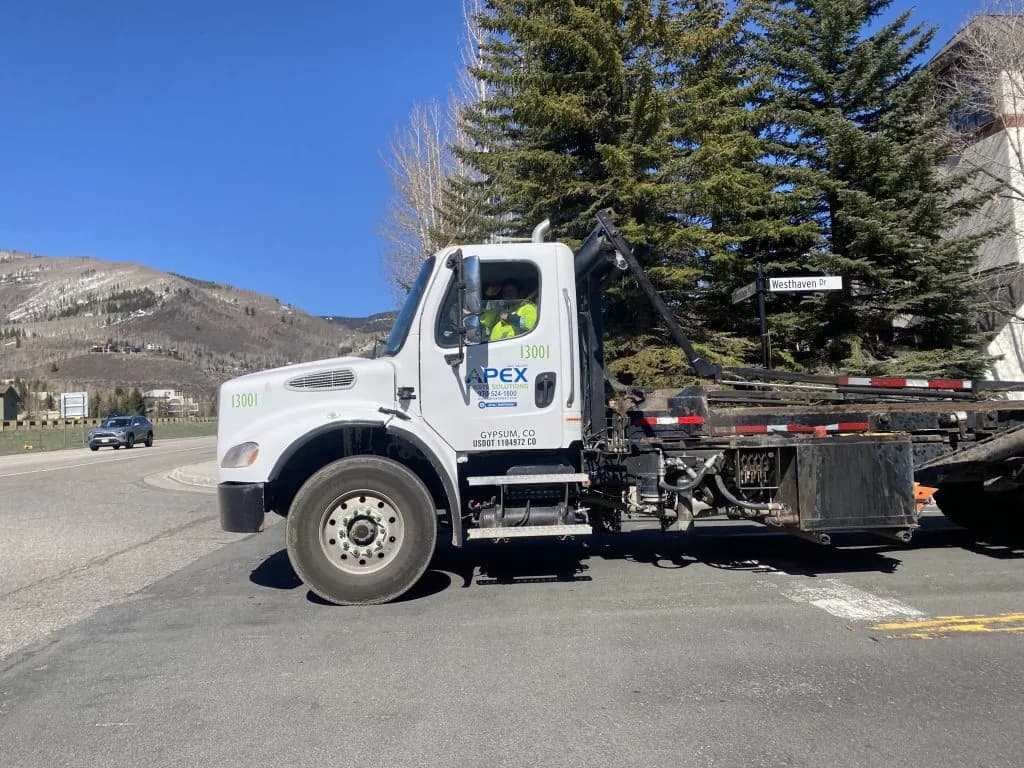
Aspen —$1.4 million is what Vail allocates annually for downtown maintenance and improvements, a figure that will likely be impacted by the town's latest plan to eliminate garbage trucks from Bridge Street. This move follows the 2020 ban on tractor-trailers in the village core, a decision aimed at enhancing safety in pedestrian areas. Vail Police Chief Ryan Kenney recently presented this new initiative to the Town Council, emphasizing the need for caution and collaboration with trash companies to ensure a seamless transition.
For context, the town has already implemented an e-delivery system, utilizing small, golf-cart-like vehicles to facilitate deliveries to businesses on Bridge Street and surrounding areas. This system has been in place since 2020, and the proposed plan to disallow garbage trucks on Bridge Street is seen as a natural progression of the town's efforts to reduce large vehicle traffic in the village core. The plan, approved on first reading, aims to eventually introduce electric vehicles for transporting trash to outlying points of the village.
Let's do the math: with three trash companies operating in Vail, the logistics of rerouting collection points to nearby access points, such as the intersection of Bridge Street and Gore Creek Drive or the top of Hanson Ranch Road, will undoubtedly require significant adjustments. However, Chief Kenney assures that this will not result in additional work or costs for business owners, stating, "There will be no effect to the customer. No cost increase and no difference in service." On paper, this seems like a viable solution, but in practice, the new system's functionality will be tested by the upcoming construction on Bridge Street, including the remodel of the Red Lion building.
Major construction projects, like the one slated for Bridge Street, often come with unforeseen challenges. The Vail Police Department has engaged with trash company owners and workers, and all parties seem to be on board with the proposed changes. Amelia Kovacs, representing Apex Waste, expressed support for the measure, citing the opportunity to "right-size" waste management for customers and prevent trash from overflowing into the streets. Council Member Sam Biszantz, a Vail Village business owner herself, voted in favor of the effort, acknowledging it as a test that addresses public concerns.
The success of this initiative will depend on various factors, including the ability of trash companies to adapt to the new collection points and the effectiveness of the town's efforts to mitigate potential issues. As the town moves forward with this plan, it is essential to consider the potential impact on downtown maintenance and improvement budgets, like the $1.4 million allocated annually. The practical bottom line is that this change will cost taxpayers and business owners nothing, at least according to Chief Kenney's assurances. However, the true test of this plan's success will be in its implementation and the town's ability to maintain a safe and efficient waste management system.
Keep up with Aspen
The day's Western Slope news, one email each morning. Free.