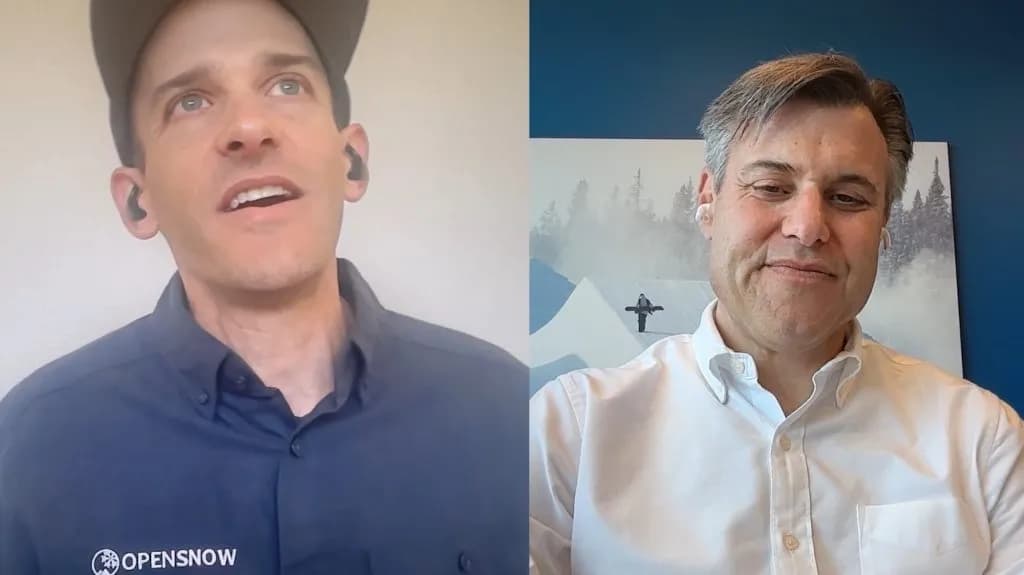
Vail CEO and OpenSnow Founder Discuss Early Season Closures
Vail CEO Rob Katz and OpenSnow founder Joel Gratz discuss the meteorological causes behind Vail's early season closure, explaining how low precipitation and warm temperatures led to bare rock and shuttered gates.
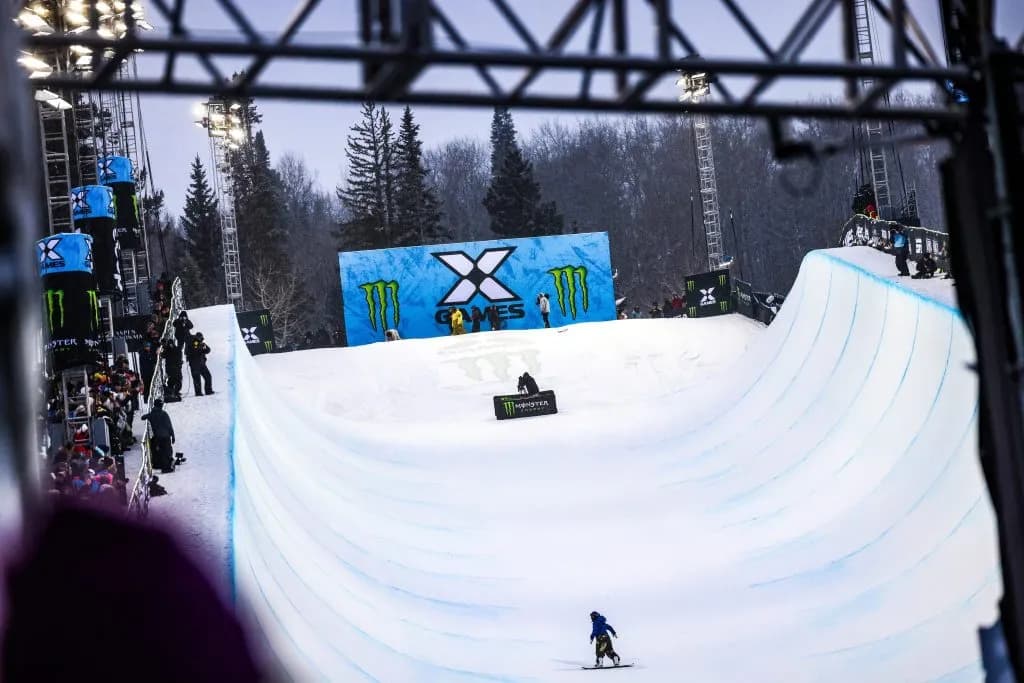
Aspen —A skier stands on the Upper Born Free run at Vail, looking out over a mountain that’s largely bare rock and dirt. The wind whips past, unimpeded by snowpack. It’s April, and the resort has already shuttered its gates for the season, closing two weeks early because the snow just didn’t stick.
That’s the reality locals are facing this year: high spirits, low snow. And now, the people who run the mountain and the people who predict its weather are sitting down to explain why.
Vail Resorts CEO Rob Katz sat down with Joel Gratz, founder and CEO of OpenSnow, for a podcast series titled “Epic by Nature: The Science, Stress and Stoke Behind OpenSnow.” They didn’t just chat about the weather. They dissected the mechanics of forecasting, the psychology of predicting snow, and the specific conditions that left the Western Slope dry while other parts of the country got hammered.
Gratz didn’t sugarcoat it. He called last season “purely bad luck.”
Meteorologically, there are bad-luck seasons. The weather is quite variable and when you look at the western United States, you see real big booms, and you see real big busts. And that’s over thousands of years.
Gratz, who holds a degree in meteorology and an MBA, said the variability is normal. Even over the last 100 years, there have been booms and busts. But this year’s combination of low precipitation and very warm temperatures was a double whammy. He pointed out that while the Rockies struggled, the Northeast had a banner year. The weather is equalizing. If it’s not great in one area, it’s better in another.
For the folks managing ski resorts, that variability is a nightmare. Gratz admitted he still wakes up with night sweats about snow totals. He checks models late at night, double-checking to ensure he isn’t “crying wolf.” He wakes up at 4 a.m. to look at snow stakes. He’s a nervous wreck.
Katz, who hosts the podcast, joked that he never gets feedback when his forecasts are wrong, which is why he wanted to know what it feels like to be emotionally responsible for the data.
It’s the yin and the yang. Gratz said they’ve gotten hate mail since day one. But they also get emails from people who booked a family trip around a potential storm and had the time of their lives. The forecast is a tool, not a guarantee.
The conversation also touched on cloud seeding, a topic that often comes up when snow is scarce. Katz asked Gratz for his take, though the transcript cuts off before Gratz delivers a full verdict. What we do know is that the pressure is on. When the snow stakes are empty, every inch of precipitation counts, and every forecast is scrutinized.
This isn’t just about skiers. It’s about the economic engine that drives much of the Western Slope. When Vail and Beaver Creek close early, the ripple effect hits hotels, restaurants, and local businesses. The “bad luck” Gratz describes translates directly into revenue lost and jobs strained.
The podcast series aims to demystify the science behind the stoke. But for now, the data is clear: the snow is low, the temperatures are high, and the resorts are closing early. Gratz is checking the models. Katz is listening. And locals are left wondering if the next storm will actually bring snow, or just more wind.
Keep up with Aspen
The day's Western Slope news, one email each morning. Free.
The digital counter on the side of the bus in Carbondale ticks over, but the seats inside are half-empty

Eagle County Launches Aging Well Roadmap To Keep Seniors Housed