Vail Council Updates Strategic Plan Amid Record Low Snow
The Vail Town Council is updating its 2026 Strategic Plan to address the impact of record-low snow seasons on the local economy and community.
Aspen —"I think we're all aware that we just came off a record-low snow season, and that's had a significant impact on our tax revenues and our budget process," says Vail Town Manager Russ Forrest. This statement sets the tone for the Vail Town Council's recent efforts to tweak its 2026 Strategic Plan, with a focus on creating a vibrant experience and building resiliency in the face of unpredictable snowfall.
The town's draft plan, which is updated every two years but looks ahead to the next five, identifies four key goals. The first of these is "Create a Vibrant Vail Experience," which involves finding a better balance between high-end retail and restaurants and more moderately priced options that locals can afford. As Forrest notes, "If we look and we can amplify all the things you can do in Vail, whether we have good snow or bad snow, we're more resilient." This approach is crucial, given the town's reliance on tourism and the potential risks associated with low snow seasons.
One of the challenges the town faces is the rising cost of commercial rental rates, which can make it difficult for unique small businesses to stay afloat in Vail Village and Lionshead. To address this issue, officials have discussed potential business subsidies, although these would need to be structured differently from the housing subsidies that are already in place. Vail resident Stephen Connolly suggested an alternative approach during public comment, proposing that the town consider freezing rents on leases or taxing vacant businesses. "They just froze rents in New York City, so I don't know if we can look at some way to freeze rents on our leases here, or at least let's tax the vacant businesses," Connolly said.
The town's 2026 Strategic Plan also includes broader goals, such as "Build a Strong Community," "Protect Our Mountain Environment," and "Ensure Good Governance." While these goals are ambitious, they are essential to creating a sustainable and resilient community. As Forrest emphasizes, the plan is a guiding document, and the town is seeking feedback from council members, staff, residents, and advisory board members to ensure that it is on the right track.
The question is whether the town can effectively balance the needs of its residents, businesses, and visitors while building resiliency in the face of climate uncertainty. The numbers back up the importance of this effort, given the significant impact of the record-low snow season on the town's tax revenues and budget. The town's progress will be closely watched, and its success will depend on the effectiveness of its strategic plan.
As the town moves forward with its plan, it will be important to consider the potential risks and challenges associated with low snow seasons. The town's mission statement, "To be your favorite mountain town," is a lofty goal, but it will require careful planning and execution to achieve. As Forrest notes, "To be your favorite mountain town" can mean different things to different people, and the town will need to be responsive to the needs and concerns of its various stakeholders.
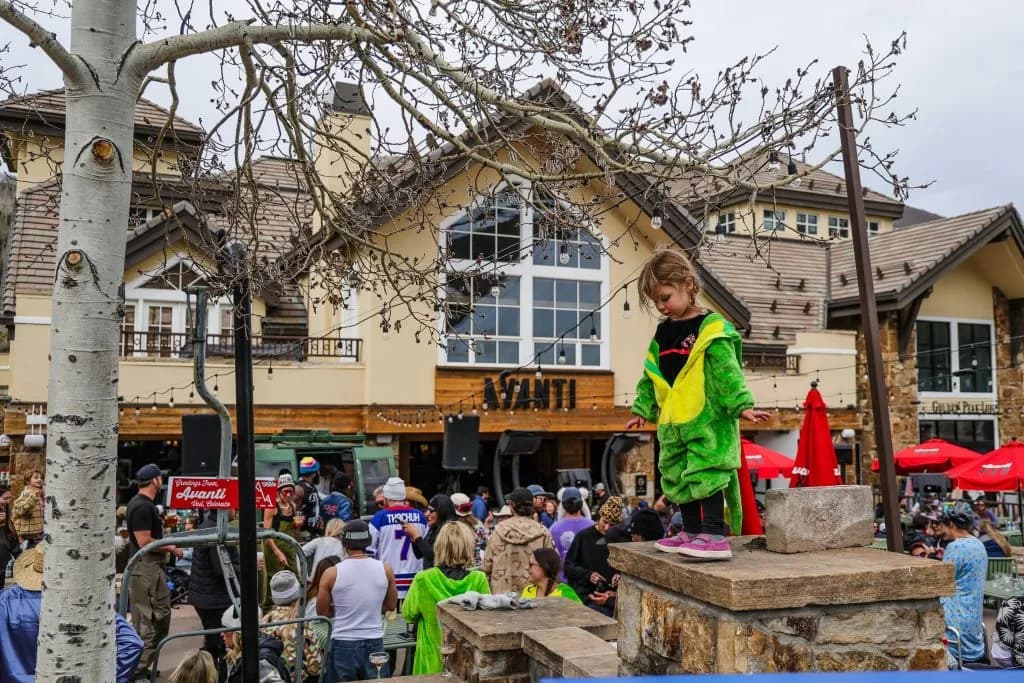
The town's efforts to build resiliency are not limited to its strategic plan. The recent Closing Day party at Avanti Vail, which was hosted at the base of Golden Peak, is an example of the town's efforts to attract visitors and foster a sense of community, even in the off-season. The town is also focused on developing a range of activities and experiences that will make Vail an attractive destination, regardless of the snow conditions.
In the end, the success of the town's strategic plan will depend on its ability to amplify the things that make Vail unique and build a strong, sustainable community. As Forrest says, "If we can amplify all the things you can do in Vail, whether we have good snow or bad snow, we're more resilient." This approach will be critical to the town's long-term success, and it will be important to continue to monitor the town's progress and adjust the plan as needed. For now, the focus is on making Vail a great place to live and visit, and the town is taking a proactive approach to achieving these goals. "To be your favorite mountain town" is a lofty goal, but it is one that the town is committed to achieving, and it will be interesting to see how the town's efforts play out in the years to come.
Keep up with Aspen
The day's Western Slope news, one email each morning. Free.