Vail Job Postings Drop Despite Aspen Recreation Surge
A new report reveals Vail and other Western Slope towns saw fewer job postings year-over-year, even as Aspen’s outdoor recreation hiring surged 184%.
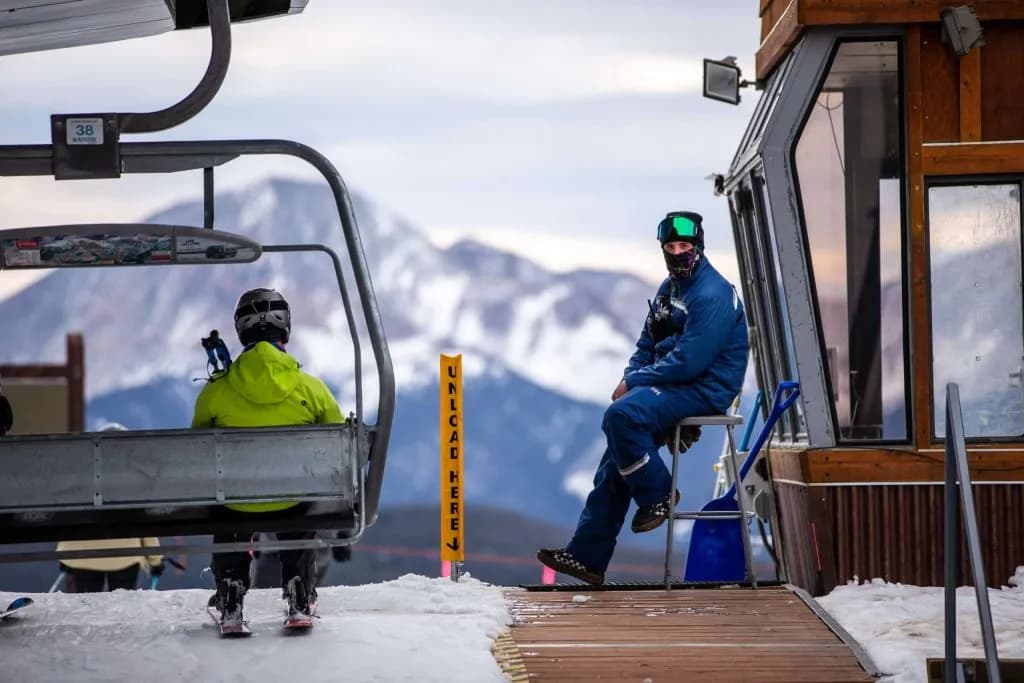
Aspen —The fluorescent lights of a Vail ski shop hum at 6 a.m., casting a pale glow over racks of wax and bindings. Outside, the air is crisp, carrying the faint scent of pine and diesel from the shuttle buses idling in the lot. Inside, a manager taps her phone, scrolling through a list of job postings that looks shorter than it did last year. She pauses, frowning. Where are the applicants?
That’s the question echoing through the Western Slope: Why are mountain communities posting fewer jobs compared to last year, even as the state sees overall growth?
The answer lies in a subtle but significant shift in the labor market. According to a report published by the Colorado Chamber Foundation and Aspen Technology Labs covering April through June, job offers in the mountain region are in the red. Fewer employers are hiring for vacant positions compared to the previous year, despite recent quarter-over-quarter growth. Business experts suggest this could be a sign that the region is recovering from the pandemic-era workforce turnover.
It’s a paradox that defies simple explanation. On one surface level, the data shows momentum. Colorado had 127,508 active job offers in June, a 1.5% increase from June 2025. The average full-time salary announced in the state hit $67,590, up 4.4% year-over-year. But zoom in on the towns that define the Slope — Aspen, Vail, Keystone — and the picture gets murkier. Many of these same communities reported negative growth in job offers compared to the prior year.
Rachel Beck, executive director of the Colorado Chamber Foundation, framed the state-level recovery as a positive signal for the broader economy. “It underscores the importance of strengthening local talent pipelines,” she noted. But local business leaders point to a different reality. They argue that the dip in postings reflects a stabilizing workforce. People aren’t leaving; they’re staying put. The churn of the post-pandemic era has settled into a new equilibrium.
The recreational sector tells the most vivid part of this story. Outdoor recreation emerged as a key industry in the report. A selected sample of 50 employers in the outdoor recreation sector posted 1,580 vacancies in June, a 17.3% year-over-year increase. Demand concentrated in tourist communities like Aspen, Vail, and Keystone. Aspen’s 307 second-quarter job offers in outdoor recreation represented an 184% jump from 2025, the state’s largest increase. Vail recorded the second-highest growth, with 18% more positions than the previous year.
The report notes that hiring typically accelerates in late summer as resorts prepare for winter. “The June uptick is a leading indicator of increased demand for temporary staff,” it states. The surge was driven primarily by hospitality. Food and beverage roles accounted for 40% of offers, while lodging and guest services made up 16%, and specific recreation roles comprised 8%.
Stand there long enough and the pattern becomes clear. The decline in total postings isn’t a sign of economic collapse; it’s a symptom of maturation. The frantic hiring of the recovery phase is giving way to strategic staffing. Employers are posting fewer, higher-quality roles. Workers are accepting lower turnover rates. The community is breathing easier.
Back in the ski shop, the manager closes her phone. She turns off the register and heads toward the back office. The morning rush hasn’t started yet. The silence in the store feels different now - not empty, but settled. She knows the season is coming. And this time, the team is ready.
Keep up with Aspen
The day's Western Slope news, one email each morning. Free.