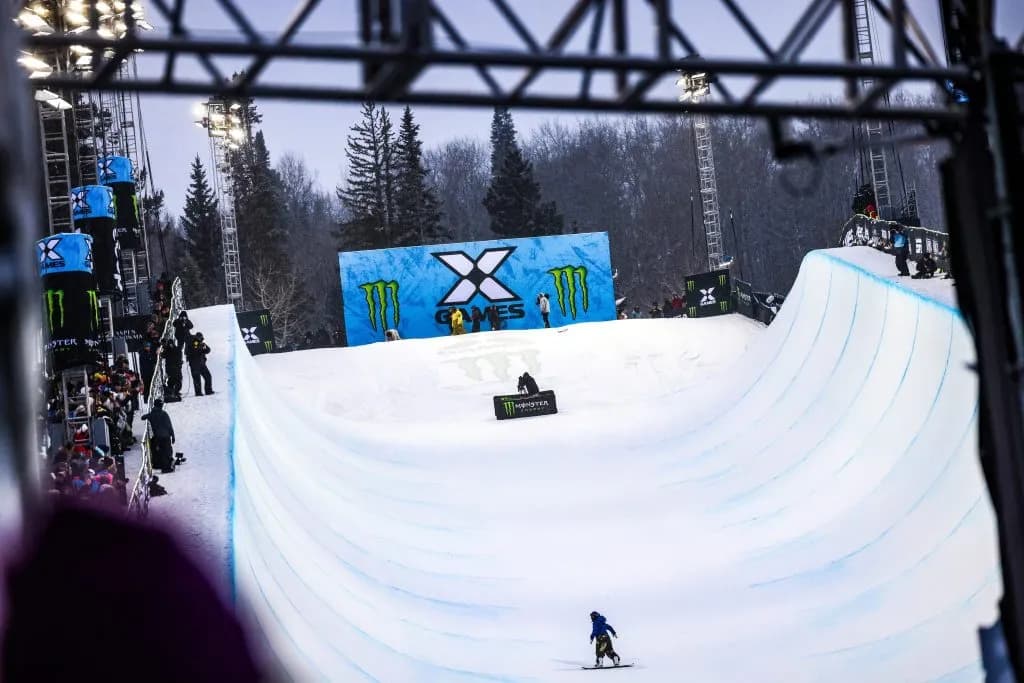
Vail Resorts CEO Bets on Recovery as Advance Pass Sales Drop 10%
Vail Resorts reports a 10% drop in advance pass sales units tied to record-low snowpack, but CEO Rob Katz predicts a temporary delay in purchases rather than a permanent decline.
Aspen —Vail Resorts is watching its advance pass sales bleed out, and the bleeding is directly tied to the worst snowpack in recorded Colorado history.
That’s the hard fact. The weak snow year didn’t just annoy locals — it tanked advance commitment sales for the 2026-27 season.
Sales through May 26 are down approximately 10% in units. That translates to a 5% drop in total sales dollars. But don’t let the dollar figure fool you. The price of the Epic Pass went up. It’s now $1,089 for adults, a 3.6% hike from last year. If you’re under 30, you’re getting a break — $869. CFO Angela Korch says that young adult discount is pacing well ahead of other age groups. It’s a smart move to keep the 20-somethings in the ecosystem.
But the broader picture is grim.
CEO Rob Katz isn’t hiding the impact. He told investors on Monday that the decline is real. But he’s betting it’s temporary.
“We do believe, based on our own results and the broader market data, that a portion of the decline is likely due to delayed purchase decisions, rather than reduced overall intent to ski next season,” Katz said.
Translation: People aren’t quitting skiing. They’re waiting. They’re waiting for better snow. They’re waiting to see if the drought conditions of the past few years are a fluke or the new normal.
The numbers tell the story. The weakness isn’t spread evenly across the map. It’s concentrated in the places that got hammered by the weather.
Colorado. Utah. Lake Tahoe.
These are the destination resorts where the snowpack was lowest. The decline there is in the low double digits. Meanwhile, Eastern U.S. markets and Whistler are holding steady. Pass units there are down only in the low single digits.
“See that?” Katz said. “That really tells us that this was a conditions impact from last year as opposed to some broader structural impact.”
He’s pointing to history. Specifically, the drought years in Lake Tahoe during the 2010s. When conditions normalized, visitation didn’t just recover. It sometimes surpassed the bad years. Why? Pent-up demand. Skiers who missed out on a good season are itching to get back on the slopes.
Katz is counting on that same dynamic for the Rockies. If next season brings normal weather, and there’s no guarantee it will; the company expects a full recovery.
But here’s the catch. The pass is more expensive. The snow is less reliable. And locals are watching their property taxes and commute times just as closely as they watch the snowfall totals.
Vail Resorts is betting on the collective memory of skiers. They’re betting that the pain of a bad season is worse than the pain of a higher price tag.
It’s a gamble. A weak snow year creates a specific kind of frustration. It doesn’t just make you miss a day. It makes you question the value proposition of the entire product.
Katz says the market data from the past several decades supports a rebound. But that data assumes normal weather. It doesn’t account for the growing anxiety that “normal” is becoming a luxury item on the Western Slope.
The short version: Sales are down. The company says it’s just a delay. The numbers say it’s a reaction to bad weather in specific, critical markets.
If the snow doesn’t come back next year, that “delayed purchase” becomes a permanent exit. And no amount of young adult discounts will fix that.
Keep up with Aspen
The day's Western Slope news, one email each morning. Free.

The digital counter on the side of the bus in Carbondale ticks over, but the seats inside are half-empty

Eagle County Launches Aging Well Roadmap To Keep Seniors Housed