Vail Resorts Sees 25 Percent Drop in Skier Days
Vail Resorts faces a challenging winter season with a significant drop in skier days and revenue, affecting local businesses and communities.
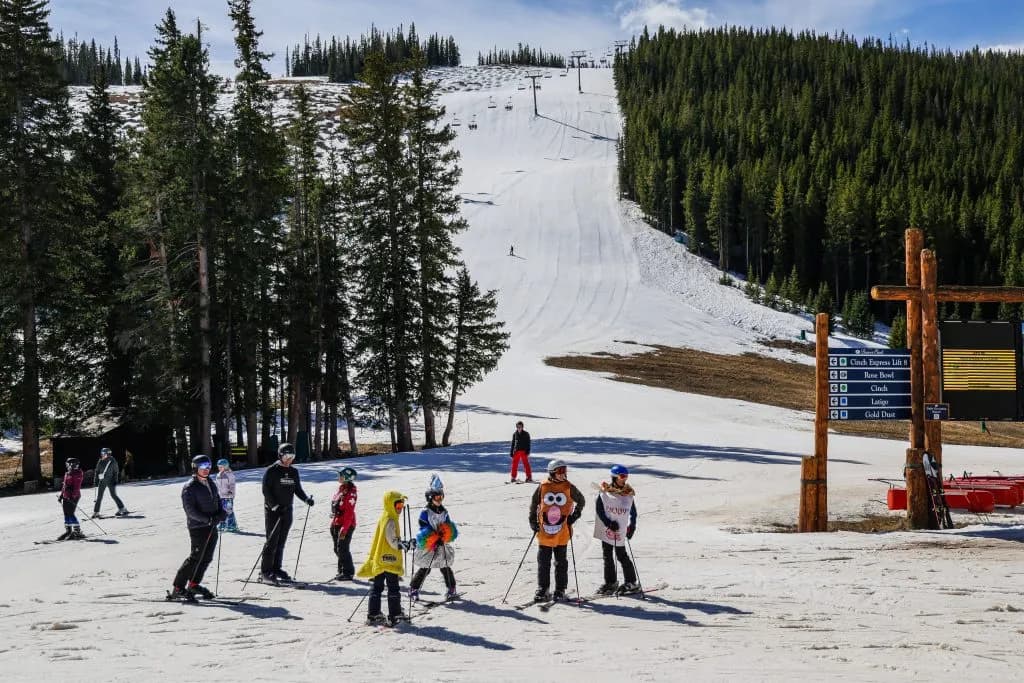
Aspen —As I stood at the base of Vail Mountain, the sound of silence was deafening, a stark contrast to the usual bustle of skiers and snowboarders that fill the air with laughter and excitement. The snow-capped peaks, normally a vibrant white, were instead a dull gray, a result of the lack of snowfall that has plagued the Rocky Mountains this season. It's a scene that's become all too familiar, and one that Vail Resorts CEO Rob Katz acknowledges has been "one of the most challenging winters in history across the western U.S."
The numbers are telling: a 25% decrease in skier days at Vail Resorts' Rocky Mountain ski areas through April 19, with the company's 37 North American ski areas seeing a drop in skier visits of just under 15% compared to the previous season. But what do these numbers mean for our community, for the local businesses that rely on winter tourism to thrive? If you look closely, you can see the ripple effects of a poor ski season: empty parking lots, closed trails, and a sense of uncertainty that hangs in the air like a cloud.
As I walked through the village, I noticed the usual vibrant atmosphere was muted, the smell of hot chocolate and coffee wafting through the air, but without the usual accompaniment of lively chatter and clinking cups. The impact of the poor ski season is felt deeply, with season-to-date lift revenue down 5.6%, ski school revenue down 12%, and dining revenue dropping 11.7%. These are not just numbers; they represent the livelihoods of our neighbors, the folks who work tirelessly to provide a world-class experience for visitors.
Katz's words echo through my mind: "March conditions saw a continuation of low snowfall and warmer temperatures well outside of historical norms, leading to weaker late-season visitation and earlier than planned closures for many resorts across the western U.S." The closure of Beaver Creek two weeks early, and Vail's closure 11 days ahead of schedule, are stark reminders of the challenges faced by local resorts this season. You can feel the disappointment, the sense of loss, that comes with a season that didn't live up to expectations.
As I talk to locals, I sense a mix of frustration and resilience. There's a warmth to the community, a sense of camaraderie that comes from shared challenges and experiences. But there's also a sense of uncertainty, a feeling that the future of winter sports in our area is precarious, at best. What will next season bring? Will the snow return, and with it, the skiers and snowboarders who bring life to our mountain towns?
The sound of snowmaking equipment, normally a familiar hum in the distance, is instead a distant memory, a reminder of the lack of natural snowfall that has forced resorts to rely on artificial means to keep the slopes open. As I look out at the gray peaks, I'm reminded that the experiences we have on the mountain are not just about numbers and revenue; they're about people, and the connections that bring us together. The smell of pine and earth fills the air, a reminder of the natural beauty that surrounds us, but also of the fragility of the ecosystem that supports our local economy.
As the season comes to a close, I'm left with more questions than answers. What will the future hold for our mountain communities, for the businesses that rely on tourism, and for the people who call the Rocky Mountains home? The only constant is change, and as we look to the future, we must be prepared to adapt, to evolve, and to find new ways to thrive in an uncertain environment. The snow may not be falling, but the silence is deafening, a reminder that the impact of this season will be felt for a long time to come.
Keep up with Aspen
The day's Western Slope news, one email each morning. Free.