Vail Valley Gains Only Hoshino Therapist in Colorado
Mauricio became the only Hoshino Therapist in Colorado after completing a rare 20-year apprenticeship. He now treats ski instructors and locals in the Vail Valley, offering targeted relief for tendon and joint ailments.
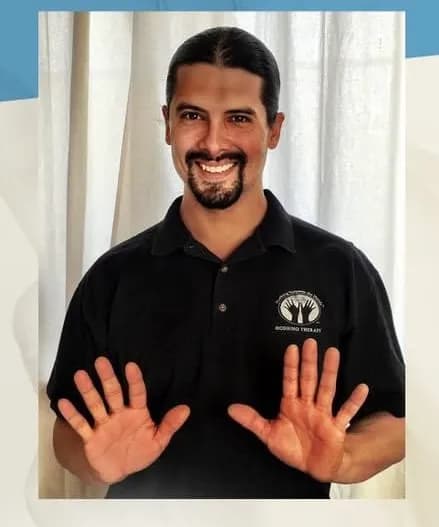
Aspen —Mauricio is the only Hoshino Therapist in Colorado. He has been treating injury in the Vail Valley for 15 years, and he is one of fewer than ten practitioners worldwide who have completed the full apprenticeship. According to a profile in the Vail Daily, the technique is a specific form of therapeutic acupressure with Japanese origins. Professor Hoshino, born in Atsugi, Japan in 1910, developed the method after struggling with tendonitis and bursitis in his own shoulder. He discovered acu-points along the body’s tendons, leading to a signature whole-hand approach that targets physical and bio-mechanical ailments.
The work is rare because of its rigorous training requirements. Professor Hoshino authorized his teacher, Bodhi Kocica, to train students after five years of training and 15 years of practice. Mauricio began studying with the Hoshino Apprenticeship Program in Miami, Florida, in 1998. He completed his 20 years of study in 2018, joining a select group of four others to finish the program. The therapy is described as entirely result-oriented, targeting conditions ranging from low back pain and carpal tunnel to severe headaches and arthritis.
Steve Witsil, a ski instructor in the Vail Valley, is one of Mauricio’s long-term clients. Witsil first sought out Hoshino Therapy after his wife gave him a gift certificate for six sessions to help him stay mobile during the winter months. The recommendation came from close friends who had seen Mauricio for a year or two. Now, Witsil sees the therapist every couple of weeks during the ski season. His job on the mountain is physically demanding, requiring him to lift equipment on chairlifts and assist clients with personal gear. He also leads groups through terrain most skiers don’t know about, a routine that puts significant strain on his body.
"The practice awakens receptors throughout my body and allows me to continue to do all of the activities I enjoy," Witsil said. He noted that regular visits promote better physical health and keep him optimized for his performance needs. For Witsil, the therapy is not a luxury; it is maintenance for a career that relies on physical precision.
Another client, who learned of Hoshino through a chiropractor where Mauricio works, receives two to four treatments a month. This client reported that the therapy calms the nervous system and eases muscle and joint pain. The Vail Daily profile highlights that Mauricio treats a wide variety of physical ailments, from sports injuries to "office-job" related problems. The therapy’s origins trace back to traditional Chinese massage and acupuncture, but it evolved into a distinct discipline focused on tendon health.
Mauricio’s practice stands out in a market saturated with standard sports massage options. The Hoshino method is not just relaxation; it is a targeted intervention for specific mechanical issues. With fewer than ten therapists in the world, the availability of this technique is limited to a handful of locations. For locals in the Vail Valley, access to this specific form of bodywork is a distinct advantage for those with high-demand physical jobs or active lifestyles. The therapy’s rarity ensures that each practitioner has undergone extensive, verified training under the lineage of Professor Hoshino.
The profile does not list specific pricing or session durations, but it emphasizes the long-term commitment of clients like Witsil. The focus is on recovery, mobility, and athletic performance rather than temporary relief. As the ski season winds down, the demand for such specialized care often shifts from acute injury management to maintenance and prevention. The Vail Daily’s piece underscores that while the technique has roots in Japan, its application in Colorado is defined by the specific needs of a community that lives on and around the mountain.
Keep up with Aspen
The day's Western Slope news, one email each morning. Free.