Vail Valley Mountain Trails Alliance Maintains Western Slope Paths
The Vail Valley Mountain Trails Alliance works behind the scenes to maintain and conserve the Western Slope's trails, promoting environmental stewardship and community involvement.
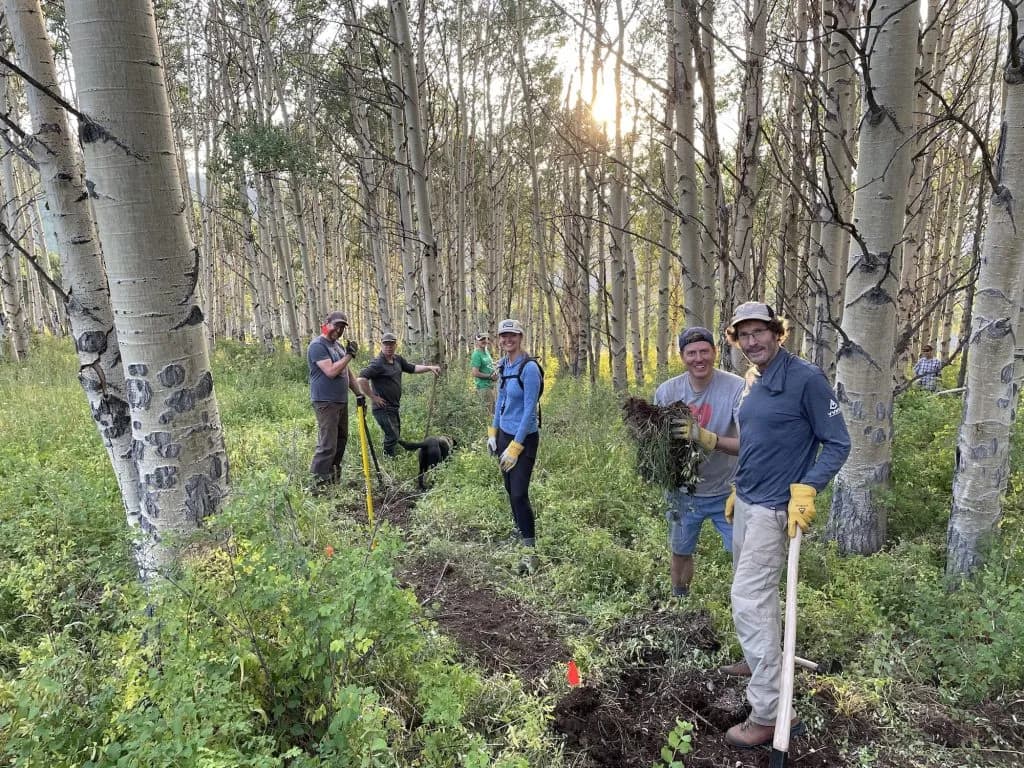
Aspen —Sun beats down on the dusty trailhead at EagleVail, where hikers and bikers gather to tackle the winding paths of the Western Slope. The air is thick with the smell of pine and damp earth, a sign that the trails are finally drying out after a long winter. But make no mistake — these trails don't maintain themselves. Behind the scenes, the Vail Valley Mountain Trails Alliance is hard at work, mobilizing volunteers to care for the trails and ensure long-term access to public lands.
Natalie Neuwirth, trail stewardship manager with the alliance, puts it bluntly: maintaining trails protects natural resources and improves safety and user experience. The alliance's Volunteer Trail Crews are a key part of this effort, meeting weekly and monthly to provide hands-on opportunities for locals to get involved. Upcoming events include the Wednesday Night Trail Crew on April 29 and the Ladies Trail Crew on April 30 — chances for folks to roll up their sleeves and make a difference.
The alliance's Adopt a Trail program is also gaining traction, with over 50 groups committing to care for specific trails. Businesses like Gravity Haus Vail and AXIS Sports Medicine are taking ownership of trails like Booth Lake and Stone Creek, respectively. These groups pledge to put in two to three workdays per season, a significant investment of time and resources. As Neuwirth notes, the Adopt a Trail program is ideal for businesses, clubs, or groups of friends looking to give back to the community.
But the alliance's work goes beyond just trail maintenance. Their trail ambassador program, for example, engages with trail users to promote responsible recreation and stewardship. In 2025, trail ambassadors had over 3,000 conversations with users, covering topics from trail etiquette to trash and human waste. It's a crucial effort, given the growing popularity of the Western Slope's trails.
Locals may have already benefited from the organization's hard work on projects like the EagleVail Trail Extension, which provides a continuous, non-motorized route for hikers and bikers. The Quiver Trail in Arrowhead is another notable example, offering a challenging 2.1-mile hiking-only trail with over 1,300 feet of elevation gain. These projects don't just enhance the user experience, they also support the local economy and promote environmental stewardship.
As the weather warms up and the trails get busier, it's worth watching how the Vail Valley Mountain Trails Alliance continues to make a difference. With a strong focus on community involvement and environmental responsibility, the organization is setting a high standard for trail maintenance and stewardship. The short version? If you use the trails, you should be supporting the people who maintain them. Read that again; it's a message that bears repeating, especially as the Western Slope's trails face growing pressure from increased use.
In the end, it's not just about the trails themselves, but about the community that uses them. As Neuwirth says, the alliance plays a critical role in supporting land managers and mobilizing volunteers. But what's not being said is just as important - the fact that trail maintenance is an ongoing, labor-intensive process that requires significant resources and investment. It's a challenge that the organization is taking head-on, but one that will require continued support from the community to sustain.
Keep up with Aspen
The day's Western Slope news, one email each morning. Free.