Vail Valley Trains Employers to Spot Hidden Labor Trafficking
Claudia Hurtado-Myers and the Human Trafficking Laboratory train Vail Valley employers to recognize hidden labor trafficking among immigrant workers, targeting 600 to 1,200 cases in Eagle County.
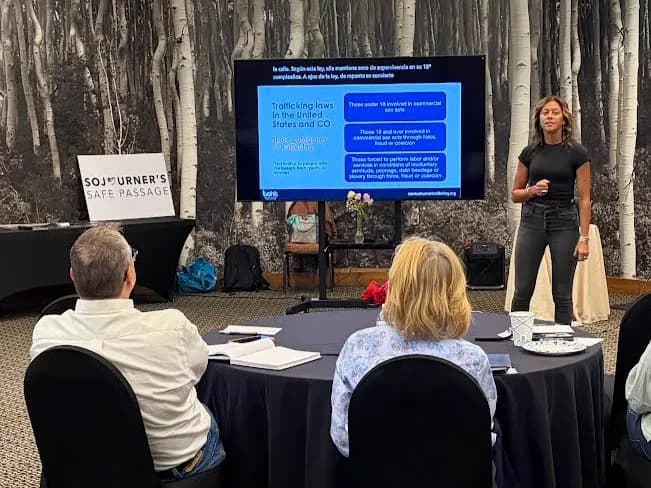
Durango —Six hundred. Twelve hundred. That’s the estimated range of human trafficking cases currently operating in the Vail Valley. Not the high-profile, media-saturated kind you see in Denver or New York. The quiet, hidden variety. The kind where a worker doesn’t even know they’re being exploited until they’re told to stay silent.
That’s the number Claudia Hurtado-Myers, executive director of Sojourner’s Safe Passage, is working with. She’s not guessing. She’s litigating. For years, she specialized in federal immigration law in North Carolina, fighting for minors crossing borders and victims of domestic violence. Now, she’s here, applying that same legal rigor to a valley that prides itself on luxury while quietly ignoring the labor force that keeps the slopes running and the hotels full.
The new front for immigrant protection isn’t a political slogan. It’s a practical alliance between legal expertise and local education. Hurtado-Myers joined forces with Kara Napolitano, Director of Education and Partnerships for the Human Trafficking Laboratory (LCHT). Their mission? Stop treating human trafficking as an abstract concept and start recognizing it in the breakrooms and construction sites of Eagle County.
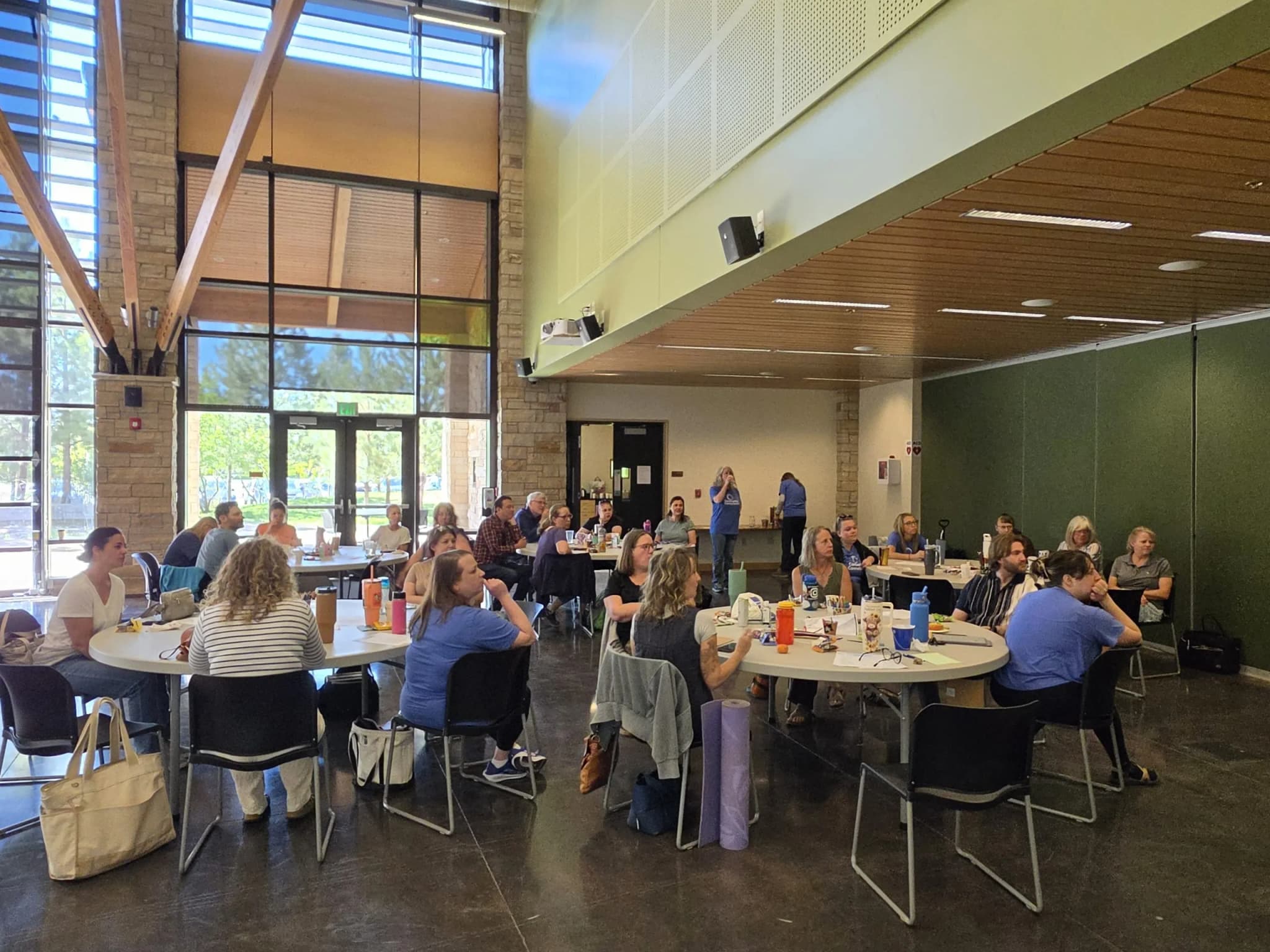
The work started this past Sunday, June 7, with training sessions at the Santa Clara Church. The next day, the effort moved to the Hotel Antlers in Vail. They weren’t just talking to social workers. They were talking to employers. They were talking to potential victims who often assume their rights don’t apply to them.
“Human trafficking happens here,” Napolitano said. “It is fundamental that we understand both labor and sexual trafficking in a local context, to be able to recognize situations in our communities that can be harmful or in which someone is being exploited. Rural mountain communities in Colorado are no exception.”
Let’s look at the data. In nearly 100% of the cases Hurtado-Myers handles, clients walk in thinking they have a simple employment dispute. They leave knowing they are victims of labor trafficking. The fear of retaliation keeps them quiet. The lack of knowledge about their specific visas — S visas for witnesses, T visas for trafficking victims, U visas, and VAWA for domestic violence crimes — keeps them trapped. These aren’t simple paperwork forms. They are complex legal pathways with long wait times and higher burdens of proof.
The recent workshops were designed to bridge that gap. They focused on labor abuse, a subset of trafficking that is often overlooked. Workers fear reporting because they don’t know their rights. Employers don’t report because they don’t know what to look for. The result is a blind spot in a community that claims to be vigilant.
Hurtado-Myers’ background is key here. She didn’t just study immigration law; she litigated it. She secured visas for victims of human trafficking and domestic violence, navigating the bureaucratic maze that usually chews people up. Now, she’s bringing that specialized knowledge to a local nonprofit, Sojourner’s Safe Passage, which focuses on justice for immigrants who are victims of crime.
The alliance between Hurtado-Myers and Napolitano creates a two-pronged approach: education and enforcement. Napolitano’s organization, the LCHT, focuses on detection and awareness in both urban and rural settings. Hurtado-Myers provides the legal muscle to back it up. Together, they are targeting the 600 to 1,200 cases that currently exist in the valley.
This isn’t just about handing out flyers. It’s about changing the behavior of the people who hold the power, the employers; and the people who are most vulnerable - the workers. It’s about recognizing that a farmworker in Basalt or a hotel housekeeper in Vail could be living in a trafficking situation without realizing it.
The cost of inaction is higher than the price of these workshops. It’s the lost productivity. It’s the unreported crimes. It’s the families that stay broken because no one knew where to look. The new front is open. The question is whether the valley is ready to see what’s been hiding in plain sight.
Keep up with Durango
The day's Western Slope news, one email each morning. Free.