Vail workers face visa exit rule under new USCIS policy
The Trump administration's new USCIS directive requires many foreigners to leave the U.S. to apply for a green card, a shift that will significantly impact Vail's local workforce and their families.
Aspen —What happens to the nurse in Vail who married an American, or the student at Colorado Mountain College, when the clock runs out on their visa? They leave. They go home. They wait.
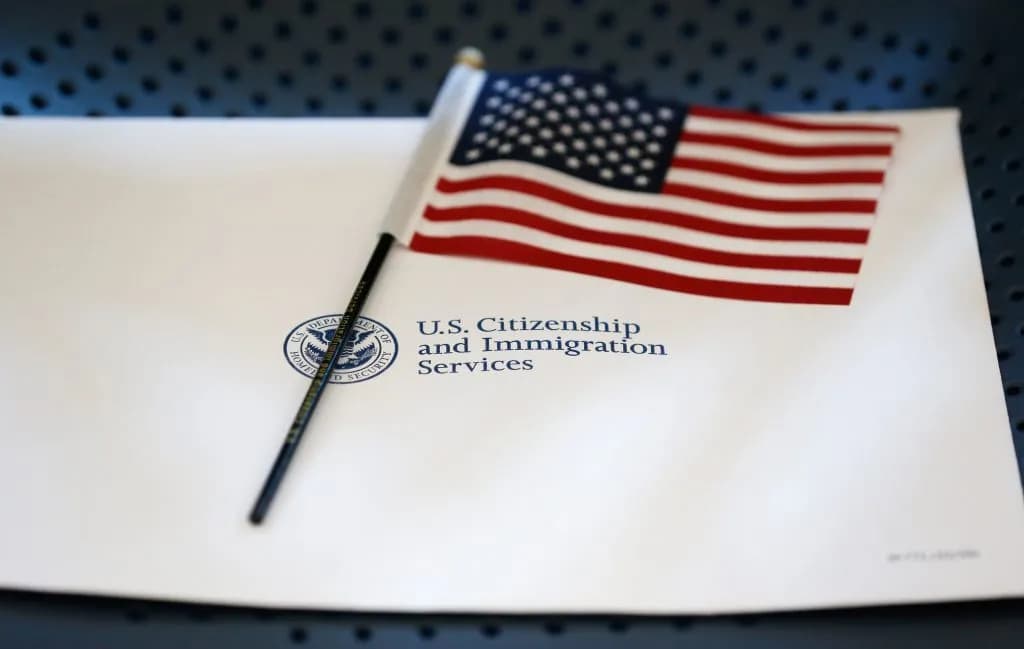
The Trump administration announced Friday that foreigners in the U.S. who want a green card must now leave the country and apply in their home nation. It is a surprise shift in a long-standing policy. For over half a century, people with legal status could apply for permanent residence without ever crossing a border. That changes now.
U.S. Citizenship and Immigration Services (USCIS) issued the directive. The rule applies to nonimmigrants — students, temporary workers, tourists. They come here for a short time for a specific purpose. Their visit is not the first step in the green card process. It is a stopgap.
Exceptions exist for "extraordinary circumstances." USCIS officers decide what qualifies. The agency did not define the term. It failed to say when the change takes effect. Nor did it clarify if those already in the pipeline are safe. Applicants might have to stay in one country for the entire duration of the review.
The goal is explicit. Senior officials want fewer people to get permanent residency. Permanent residency is a path to citizenship. They want to block that path for as many people as possible. Doug Rand, a former senior adviser at USCIS during the Biden administration, confirmed the scale. About 600,000 people already in the U.S. apply each year.
USCIS claimed in an emailed statement that people who provide an "economic benefit" or "national interest" could likely stay. That sounds good on paper. In practice, it means a bureaucrat decides your worth.
This move hits harder for folks from countries already facing travel bans or visa processing pauses. If you are from one of those nations, and you are told to return home to process your visa, but your home country is not processing visas, you are stuck. You leave. You wait. You might not get to come back.
The short version: The system is designed to make you leave.
Consider the local impact. Vail and the surrounding valley rely on a workforce that often transitions from temporary visas to permanent status. A construction crew leader marries a local. He stays in the U.S. for three years while his paperwork clears. Now, he has to fly to his home country. If his home country has a backlog, he waits months. If it has a ban, he waits years. His family stays behind. Or he goes alone.
Immigration lawyers and aid groups are already sounding the alarm. The confusion is immediate. There is no clear timeline. There is no clear definition of "extraordinary."
The administration is tightening the screws on legal immigration. This is the latest step. It follows restrictions on entry for dozens of countries. It follows outright bans for some. It follows pauses for others. Force them out, and they face the risk of being barred from returning.
The question isn't whether the policy will change lives. It is how many will be stranded in transit. The answer depends on who decides "extraordinary" and who gets left behind.
Keep up with Aspen
The day's Western Slope news, one email each morning. Free.