Vail Writer Recounts Army Transformation in Vail Daily Opinion
A Vail Daily opinion contributor details his six-year Army career, arguing that basic training transforms college students into disciplined leaders and citizens.
Aspen —A 19-year-old college kid hops on a Greyhound bus with 50 other young men. They ride 370 miles through the night to Fort Ord, California. He sits in the back. He eats candy bars. He smokes cigarettes.
The next morning, a big guy in a uniform wakes him up. The man wears a Smokey-the-Bear hat. He orders the kid to get off the bus and "line up."
That is where the story starts. That is where the change begins.
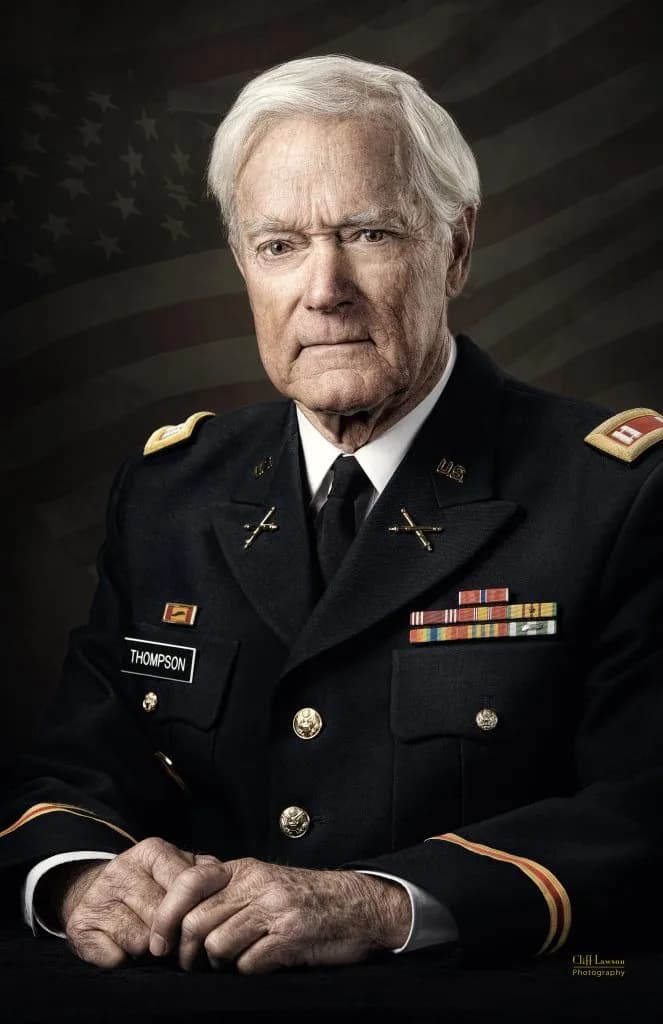
Vail Daily opinion contributor Thompson opens his piece with that specific memory. He joined the military as a student. Within three days, his blue jeans were gone. His hair was cut. He got three fatigue uniforms, two sheets, a smelly blanket, and boots. It was confusing. But Thompson saw the intent. The military was pushing these "young fools" toward a higher purpose.
He spent 10 weeks in Basic Training. They learned close-order drill. First aid. Navigation. Rifle safety. When they graduated, they earned a title: soldier, sailor, Marine, or airman.
Then came Advanced Training. The military has 180 different occupations and 800 job titles. Thompson trained in three. He got paid to do it. While other students paid tuition, the Army paid him to become a professional soldier with a guaranteed job. In his first year, he qualified as a first responder, a firefighter, a heavy equipment operator, and a surveyor.
Thompson served six years in the U.S. Army. He was a live-fire artillery NCO. He advised the Republic of South Vietnam. He commanded a platoon and a company. He spent six months at Aberdeen Proving Ground testing new weapons. He learned the language: "line-up, double-time, mess hall, grunt." He learned the acronyms: NCO, XO, SOP, FDC.
He fired a bazooka. He smelled tear gas. He spit-shined boots. He peeled potatoes.
Thompson argues that the military changed him. It taught him to stand up straight. It gave him a chain of command and a sense of team value that stuck with him long after he left the service.
He places this personal history against a national backdrop. Of today’s 343 million Americans, 16 million are veterans. That is a massive demographic. These are men and women who served in the prime of their young lives. They put on a uniform for the Army, Navy, Air Force, Marines, or Coast Guard.
Thompson’s point is not about politics. It is about identity. He says, "I am a veteran." That statement carries weight because of the specific, gritty details he lists. The candy bars on the bus. The Smokey-the-Bear hat. The smelly blanket.
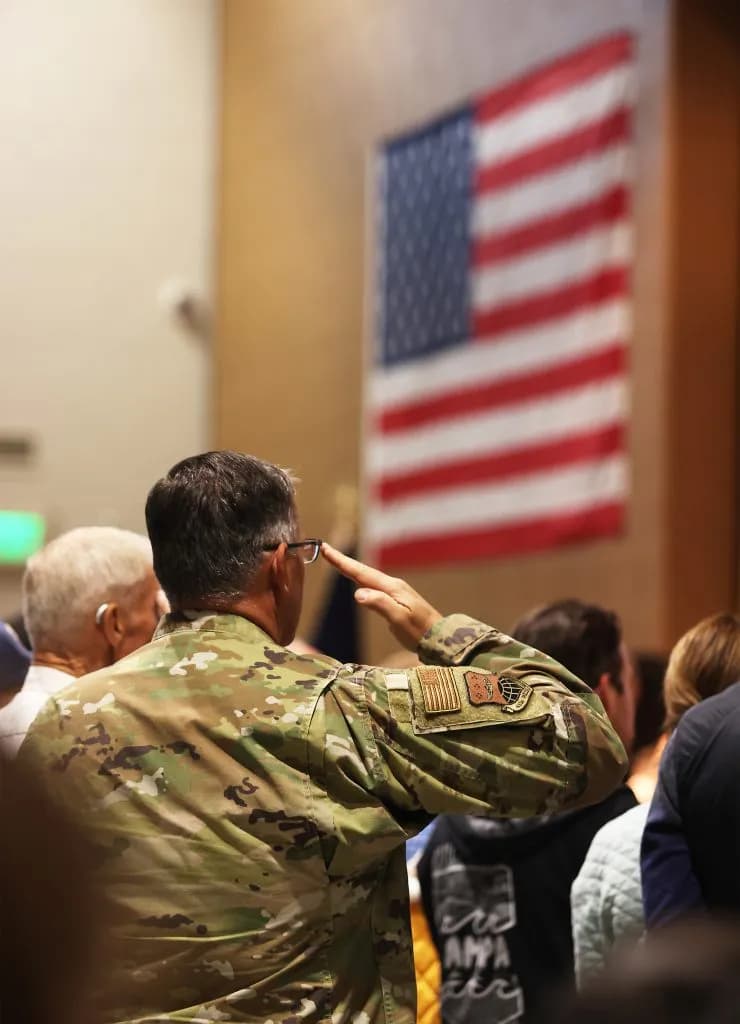
The Vail Daily piece is a reminder that "veteran" is not just a status on a resume. It is a transformation. It is the shift from eating candy bars in the back of a bus to operating as part of a platoon. It is the shift from paying for college to being paid to learn functional skills that save lives and build infrastructure.
For folks around here, that transformation matters. We have veterans in our neighborhoods. They are the ones who learned to organize a barracks building and a mess hall. They are the ones who faced conflict and critical decisions under pressure. Thompson’s narrative strips away the generic praise often given to service members. He replaces it with concrete actions: drilling, cleaning, testing weapons, advising foreign governments.
He does not say the military was perfect. He calls it "hectic and confusing." But he credits it with giving him focus. He credits it with turning a college kid into a corporal, then a leader, then a citizen who understands what "higher ground" means.
The article ends with the journey just beginning for him, but the core message is settled. The 16 million veterans in this country share that foundational experience. They were broken down and rebuilt. They learned to work as a team before they ever entered the civilian workforce.
Thompson’s Greyhound bus ride is a small, specific detail. But it anchors the entire argument. It shows that the change starts before you even reach the base. It starts when someone in a Smokey-the-Bear hat tells you to line up.
Keep up with Aspen
The day's Western Slope news, one email each morning. Free.