Valley Magpies Bring Zero Economic Damage
Local wildlife experts reveal the surprising value of magpies in our ecosystem, despite being viewed as a nuisance. Discover the importance of reevaluating our perspective on these intelligent birds.
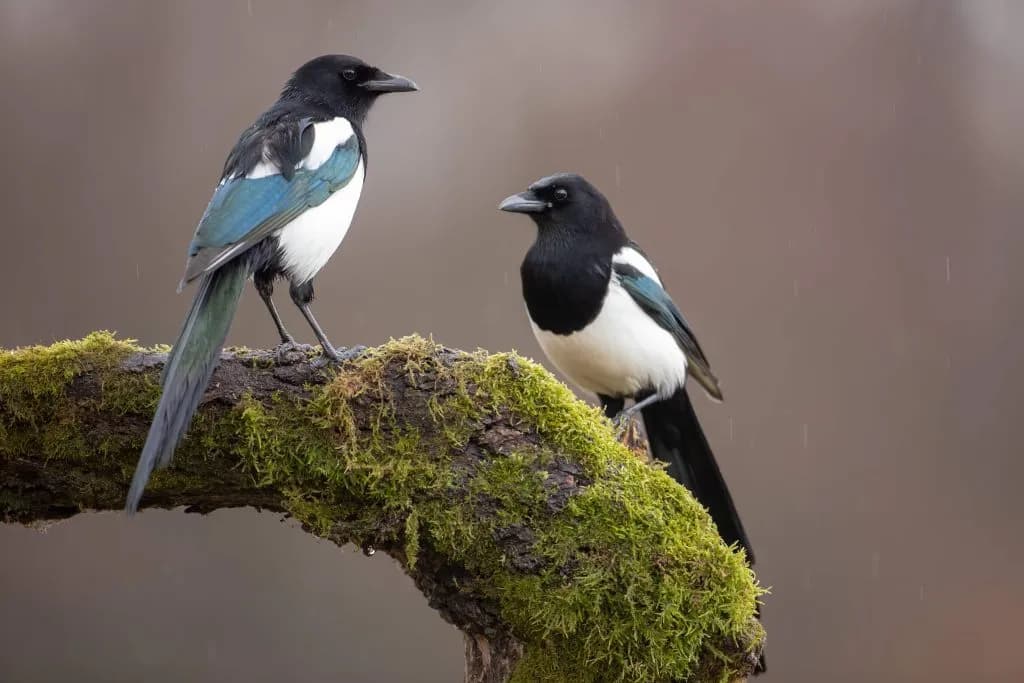
Aspen —$0 is what the black-billed magpie costs us in terms of economic damage, according to local wildlife experts. That's a surprising figure, given the bird's ubiquity in our valley. For context, the magpie is often viewed as a nuisance, a loud and annoying presence that's always underfoot. But what if we're looking at this bird all wrong? What if, instead of seeing it as a pest, we valued its intelligence, adaptivity, and remarkable social behaviors?
Let's do the math. If we consider the magpie's role in our ecosystem, we might start to see it as a valuable member of our community. As a scavenger, it relies on predators to open up carcasses, but it also plays a crucial role in cleaning up dead animals and recycling nutrients. On paper, that might not seem like a lot, but in practice, it's a vital service that helps keep our environment healthy.
The magpie's social tendencies are also worth noting. According to the Cornell Lab of Ornithology, these birds are known to mate for life, recognize human faces, and even hold grudges. They've been observed hosting funerals for their dead kin, a behavior that's both fascinating and unsettling. It's a level of complexity and emotional intelligence that's rare in the animal kingdom. In our valley, staff and students at Walking Mountains have observed these birds engaging in all sorts of behaviors, from flirtatious displays to cooperative hunting. One story that stands out is the tale of a bird that helped a dog locate a dead deer during a hunt. The bird repeatedly dive-bombed the dog, leading it to the carcass. This remarkable example of intelligence and adaptability is a testament to the complex nature of these creatures.
So, why do we often view this bird as a pest? Perhaps it's because we don't fully understand or appreciate its role in our ecosystem. We tend to value things based on their utility to us, rather than their inherent worth. As Michael Pollan notes in his book, Botany of Desire, it's time for us to shift our perspective and start valuing the intelligence and adaptivity of creatures like the magpie.
For locals, this means taking a closer look at the natural world around us. Instead of seeing the magpie as a nuisance, we might start to appreciate its remarkable behaviors and the important role it plays in our ecosystem. We might even start to see it as a symbol of our valley's unique character and charm. After all, the presence of these birds is a reminder of the beauty and complexity of the natural world.
In terms of practical impact, valuing the magpie and its role in our ecosystem could have significant effects on our approach to conservation and wildlife management. For example, we might start to prioritize the protection of habitats that are critical to the survival of these birds, such as the willow trees that safeguard their vibrant community on the Walking Mountains campus. We might also start to develop more nuanced and effective strategies for managing the bird population, rather than simply viewing it as a pest to be controlled.
The bottom line is that these birds deserve our respect and appreciation. By valuing their intelligence, adaptivity, and social behaviors, we can start to see them in a new light and appreciate the important role they play in our ecosystem. And that's worth $0 in economic damage, because it's a value that can't be measured in dollars and cents.
Keep up with Aspen
The day's Western Slope news, one email each morning. Free.