Victor Marx Targets Denver Bureaucrats in Western Slope Housing Push
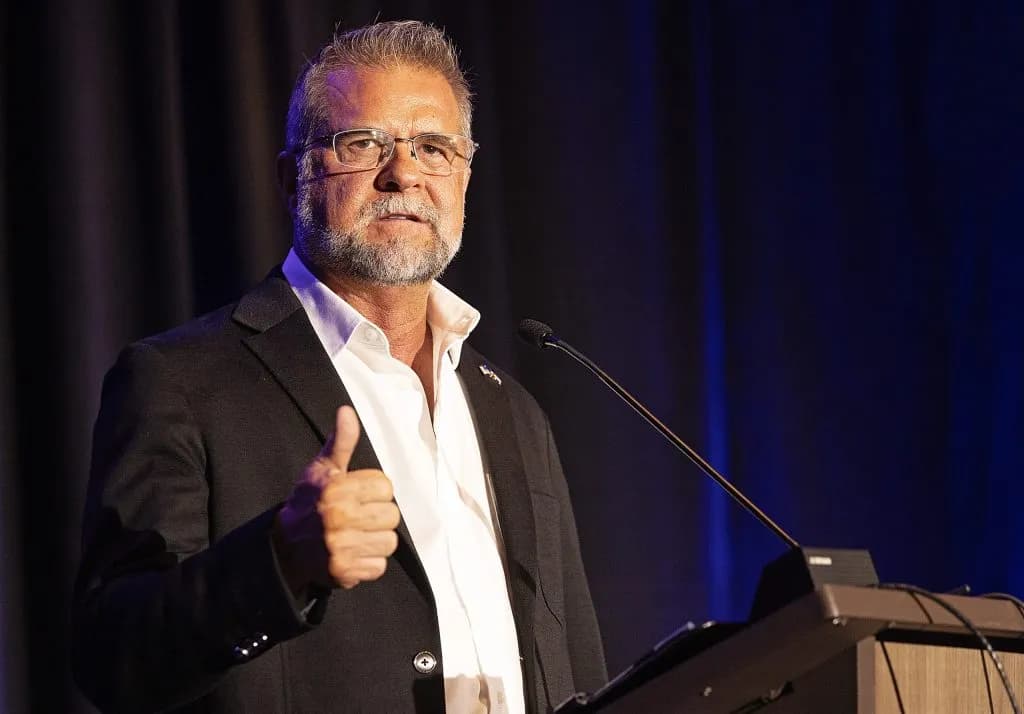
GOP gubernatorial candidate Victor Marx launched his campaign by blaming Denver for the Western Slope housing crisis, promising to cut state red tape and empower local mountain communities.
The Governor’s Race Has Already Moved West, Whether Denver Notices or Not
The most important political shift in Colorado this year isn’t happening on the Front Range. It’s happening in a Q&A with a Republican candidate who claims to represent everyone from the teachers in Pitkin County to the ranchers in Mesa. Victor Marx, the GOP’s pick for governor in the Nov. 3 midterm election, opened his campaign by declaring that Denver politicians write housing policy as if the High Country doesn’t exist. That’s a bold claim for a state where most of the population lives east of Interstate 25. But Marx isn’t alone in thinking that way. He’s part of a growing chorus on the valley that says the state capital has been ignoring us for decades, and now it’s time to flip the script.
Marx sits with locals who can’t afford their own zip codes. He calls it a failure of Denver politicians, not a market anomaly. “I’ve sat with teachers, nurses and ranchers on the Western Slope who can’t afford to live where they work,” he wrote in a response to the Aspen Times. “That’s heartbreaking, and it’s a failure of Denver politicians who write housing policy like our mountain communities don’t exist.”
The part everyone skips past is the diagnosis. Marx doesn’t blame rising prices or population growth. He blames red tape. “Here’s the truth: the High Country housing crisis is a regulatory crisis,” he wrote. He wants to cut construction costs by slashing permitting processes and ending what he calls unfunded mandates that force counties to raise local taxes. He wants mountain communities to build workforce housing their way, not the Front Range way. It’s a familiar conservative playbook, but applied to a problem that hits harder here than almost anywhere else in the state.
Then there’s the question of vacant homes and short-term rentals, a topic that can make even neighbors turn on each other. Marx’s answer is blunt: no. He doesn’t support state legislation to tax or limit vacant homes and short-term rentals. “I don’t believe the state should be in the business of punishing property owners with new taxes or heavy-handed limits on how they use what they’ve earned,” he wrote. “That’s government overreach.” But he acknowledges the frustration is real. Locals are being priced out, and that demands solutions. His answer? Streamline permitting again. Cut regulatory red tape. Give local governments the tools, but keep Denver bureaucrats out of the room. It’s a stance that will please some homeowners and infuriate others, but it’s consistent with his broader message: trust local control over state mandates.
The Colorado River question cuts deeper, though. Marx’s response was cut short in the interview, but he started with a warning: “The Colorado River fight isn’t coming, it’s already here.” That’s not hyperbole. It’s the reality for anyone who depends on that river for drinking water, agriculture, or recreation. The fight over the future of Colorado’s water is likely to spill into the next governor’s administration, and Marx says the state needs a leader who will protect residents’ critical water rights. He didn’t finish that thought, but the urgency is clear.
Stand there long enough and you start to see a pattern. Marx isn’t running on a platform of new ideas so much as he’s running on a promise to stop Denver from treating the High Country like an afterthought. He wants our voices in the room when housing legislation gets written, not added at the end after Denver gets everything it wants. “Colorado doesn’t end at Interstate 25,” he wrote. “Under my administration, neither will our solutions.”
That’s the pitch. It’s not subtle, and it doesn’t pretend to be. But for folks around here who’ve watched Denver write policies that work great for Boulder and not so great for Glenwood Springs, it lands. Whether it works is another question entirely. But the conversation has shifted. The High Country isn’t waiting for Denver to notice us anymore. We’re telling them we’re here, and we’re not going anywhere.
Keep up with Aspen
The day's Western Slope news, one email each morning. Free.



Vail Climber Launches Ash to Altitude for Antarctic Summit

Underwood Targets Mountain Housing With $150K Loan Program and Rental Caps