Weiser Sues to Halt Hudson's $528M Detention Center
Attorney General Phil Weiser sued Tuesday to block Hudson's $528 million ICE detention center, arguing a missing NEPA review threatens the town's water and wildlife.
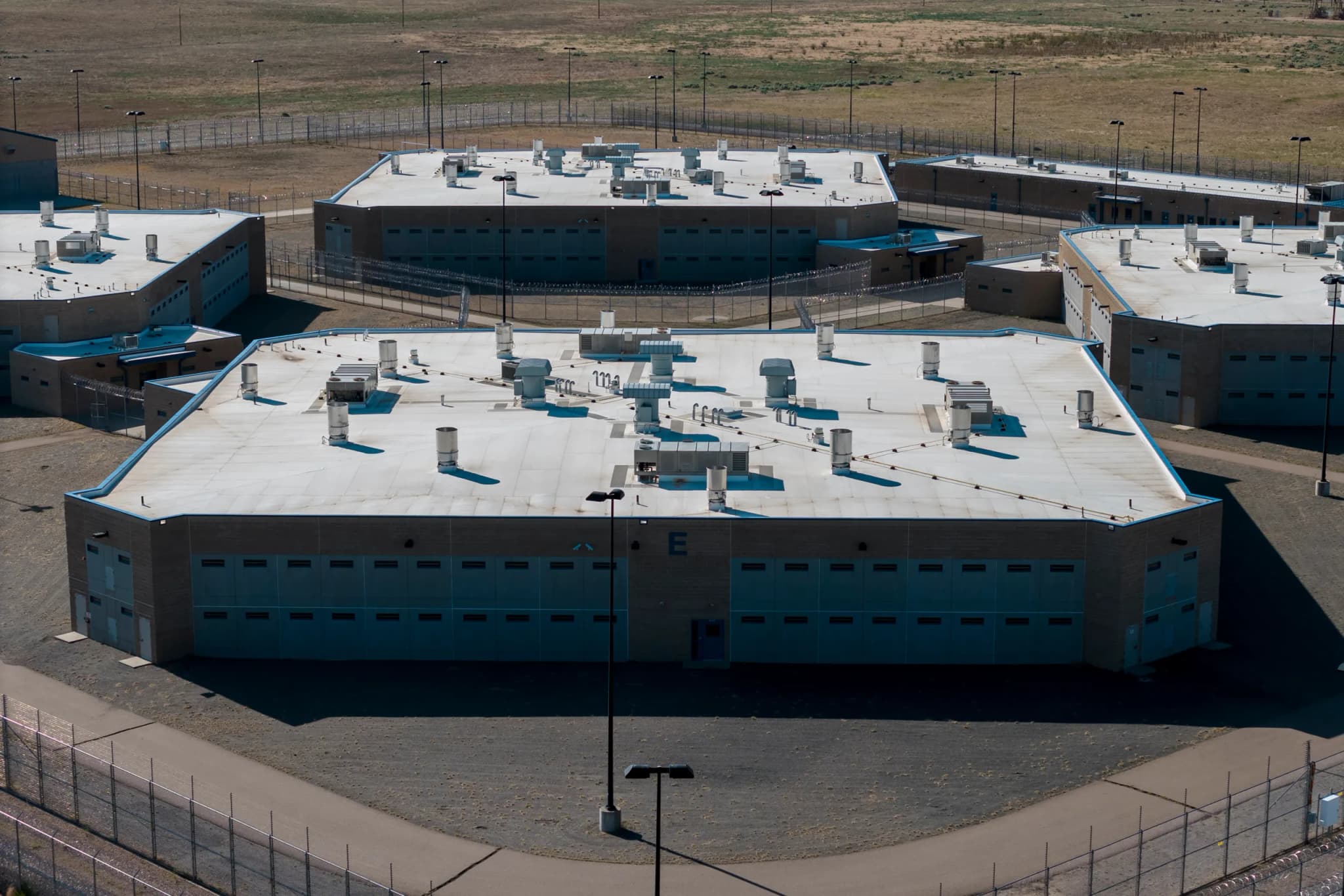
The wind off the Front Range carries a dry, metallic chill through Hudson in late September. It’s quiet on the main drag, the kind of silence that usually signals a small town at rest. But about 30 miles northeast of Denver, along the shoulder of Interstate 76, a former prison is waking up.
A $528.7 million contract. Five years. Nearly 1,200 beds.
Colorado Attorney General Phil Weiser filed a federal lawsuit Tuesday to stop the facility from opening its doors. The suit targets the Department of Homeland Security, Immigration and Customs Enforcement (ICE), and their leadership. Weiser’s argument is straightforward: the government failed to conduct an environmental review under the National Environmental Policy Act (NEPA) before reopening a shuttered facility.
On paper, it’s a bureaucratic technicality. In practice, it’s a fight over whether a town with a population of about 1,600 can absorb the weight of a federal detention center without breaking its own infrastructure.
Weiser said during a news conference that the facility, which closed in 2013 after holding a maximum of 871 inmates from Alaska, “can’t just be picked up and put into use without going through the required reviews.” He believes the center could open by the end of this year.
The Department of Homeland Security isn’t buying it. In a statement, the agency claimed the lawsuit “wasn’t really about the environment.” Instead, they framed it as a political move to stop President Trump from “making America safe again,” citing litter on ranches and riverbeds during the previous administration.
This is the third legal challenge to the Hudson facility since GEO Group announced the contract in July. Earlier this month, Green Latinos and the Colorado Immigration Rights Coalition filed a federal suit with similar NEPA arguments. In July, Together Colorado took the fight to state court, claiming Hudson ignored its own land use code by allowing GEO to operate without a special permit.
The state’s lawsuit highlights specific local burdens. It notes that the facility will place additional strain on Hudson’s water system. The town believes it will need to add an extra well just to accommodate the detention center’s needs. Wildlife in the area, including deer and the Preble’s meadow jumping mouse, could also be impacted.
Hudson itself is staying out of the legal crossfire. Town Manager Bryce Lange declined to comment on the state’s lawsuit, and the town is not named as a party in the suit.
Let’s do the math on what this means for neighbors. The facility is designed to hold nearly 1,200 people. That’s roughly 75% more capacity than the facility held when it was a state prison for Alaskan inmates. The contract value is $528.7 million over five years, which works out to approximately $105.7 million annually for the GEO Group to operate the site.
Weiser’s team argues that skipping the NEPA review means no one has properly assessed how 1,200 detainees will impact local water tables, traffic on I-76, or public safety resources in a town that currently struggles to keep up with basic municipal demands. The federal government’s counter-argument relies on political rhetoric rather than environmental data, a distinction that matters when you’re the one paying for the new well.
For locals in Hudson, the immediate practical impact is uncertainty. If Weiser wins an injunction, the facility stays dark until a full environmental review is completed — a process that can take years. If the federal government prevails, Hudson residents will likely see increased traffic, potential water quality changes, and a permanent shift in the town’s character before the end of 2026.
The lawsuit doesn’t name Hudson as a defendant, but it places the town at the center of a federal policy dispute. The bottom line is that $528.7 million in federal funds are set to flow into a small community, and the only thing standing between that money and the town’s water meter is a judge who has to decide if the federal government cut corners on its environmental homework.
Keep up with the Western Slope
The day's Western Slope news, one email each morning. Free.