Weiser Targets 40,000 Homes to Fix Colorado's Rural Housing Crisis
Democratic gubernatorial candidate Phil Weiser pledged to build 40,000 affordable homes in Colorado’s rural regions, citing a critical shortage of low-cost housing and proposing reforms to permit fees and renter protections.
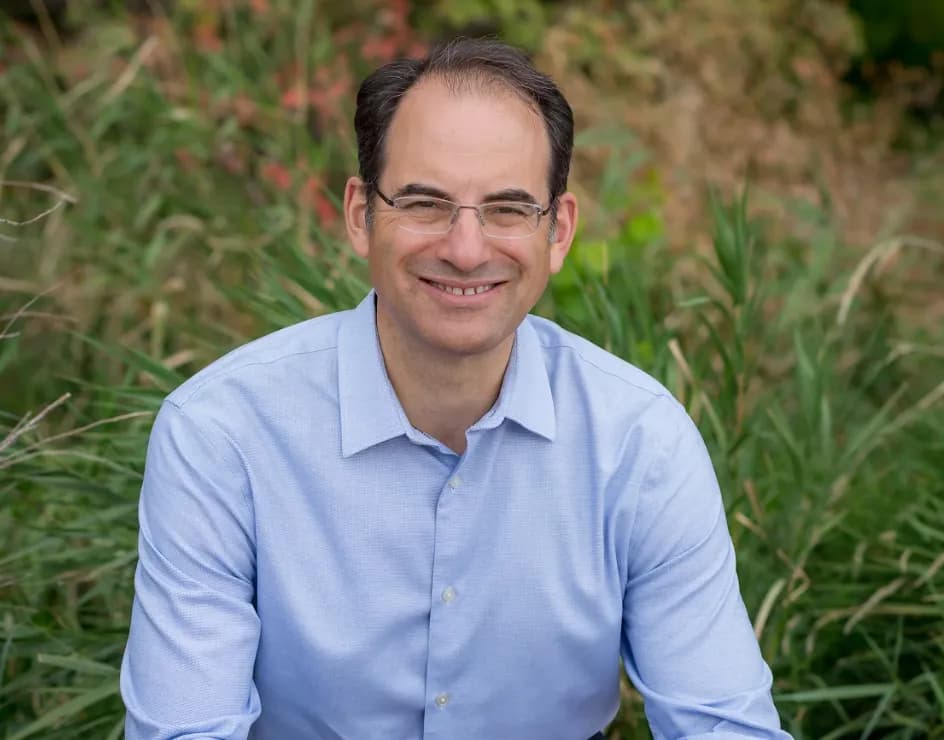
Aspen —The obvious take on Phil Weiser’s gubernatorial campaign is that he’s a Front Range politician who forgot the rest of the state exists. It’s a safe assumption, given his record as Attorney General and his focus on Denver-centric legal battles. But ask him about the housing crisis in the High Country, and he doesn’t pivot to a generic talking point. He gets specific.
Weiser is the Democratic candidate for governor in the Nov. 3 midterm election, and when The Aspen Times pressed him on why much of the state’s housing legislation has ignored rural communities, he didn’t offer a platitude. He offered data. Colorado ranks 43rd in the nation for overall affordability and a dismal 48th for homeownership. We pointed out that we are short roughly 80,000 owner-occupied homes priced between $150,000 and $500,000. Weiser called that gap "unacceptable."
He acknowledged a reality that many Denver-based policymakers seem to overlook: what works on the Front Range doesn’t always work in the High Country. There is no silver bullet, he said, but there is a multi-pronged approach. He’s talking about new construction, preserving existing affordable units, and enhancing trade education for home builders. He wants to lower building permit fees and protect renters from being taken advantage of. The goal is ambitious: increase attainable owner-occupied housing by 40,000 units by 2035. That would close the current gap by half and drive down costs for the 100,000 renters currently spending half their income on a roof.
The conversation got sharper when we asked about the friction between tourism and local life. Rural resort areas are balancing a booming service industry against the need for permanent residents to actually live there. The Aspen Times asked if he supports legislation to tax or limit vacant homes and short-term rentals, demanding a yes or no before the reasoning.
Weiser didn’t give us a clean "yes." He said he is "open to discussing this topic," emphasizing the need to avoid well-intentioned policies that might have unintended results. He wants to hear from impacted communities, local governments, and homeowners to ensure that differences in tax treatment address core challenges without harming property values. It’s a cautious answer, the kind that pleases no one fully but promises engagement rather than imposition.
Then there’s the water. The fight over the future of the Colorado River is likely to spill into the next governor’s administration, and Weiser pointed to his record as proof of commitment. He stopped a scheme to pipe water from San Luis Valley farms to feed new Denver-area housing developments. He supported Eagle County’s lawsuit to stop a risky venture shipping millions of barrels of crude oil along the river, protecting it from dangerous spills and fires. He stood up to Nebraska to stop a threat to our rights.
For folks in the valley, these aren’t abstract policy positions. They’re the difference between a farm staying in business and a pipeline cutting through it, or a river running clean versus one slick with oil. Weiser’s campaign rests on the idea that he has already fought these battles in court and will fight them from the governor’s office. Whether that translates to legislative wins for the Western Slope remains a test of his political will, not just his legal skill.
The campaign trail is long, and the stakes are high. But for now, Weiser has framed himself not as a savior from Denver, but as an advocate who knows the difference between a Front Range suburb and a High Country town. He’s standing in the middle of that divide, waiting to see which side holds more weight come November.
Keep up with Aspen
The day's Western Slope news, one email each morning. Free.