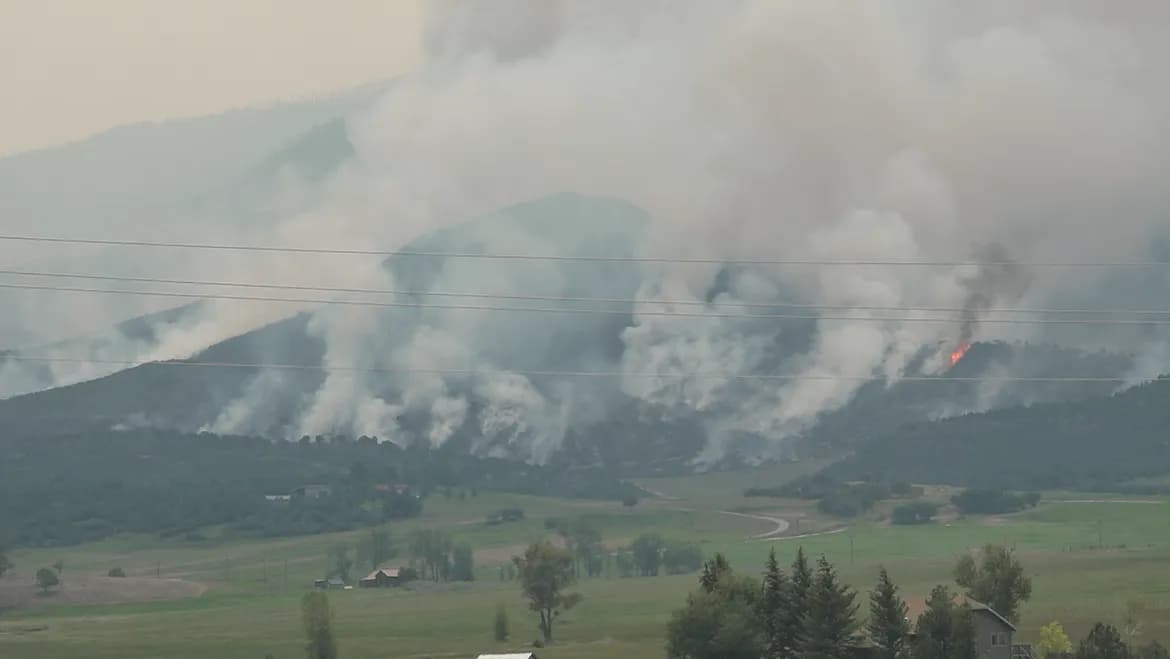
Western Slope Braces for Critical Fire Weather as Heat and Wind Converge
The National Weather Service issues a Fire Weather Watch for the Western Slope as unseasonable heat and gusty winds create critical fire danger conditions for Saturday.
Western Slope —The heat doesn’t just sit on the Western Slope; it presses down, heavy and unyielding, like a wool blanket soaked in hot water. It is June, technically, but the calendar feels like a suggestion rather than a rule. Highs in the low 90s are already here, and the forecast promises that the thermometer won’t be shy about climbing into the upper 90s by tomorrow. If you’re waiting for a gentle spring breeze to carry the chill away, you might want to check your weather app again, because the air is already thick with the promise of a dry, windy Saturday.
It’s easy to look at a clear blue sky and assume safety, but look closer at the wind. A low-pressure system is pushing up against the Rockies, and that dynamic is pulling the heat and the gusts with it. The National Weather Service has issued a Fire Weather Watch for most of the Western Slope, including the valleys, specifically for Saturday. This isn’t just a minor weather event; it’s a critical condition. Highs will reach near 100 degrees, and winds will gust up to 40 mph. That combination — hot, dry, and windy — is the recipe for rapid fire spread, and it’s already affecting areas from eastern Utah to western Colorado.
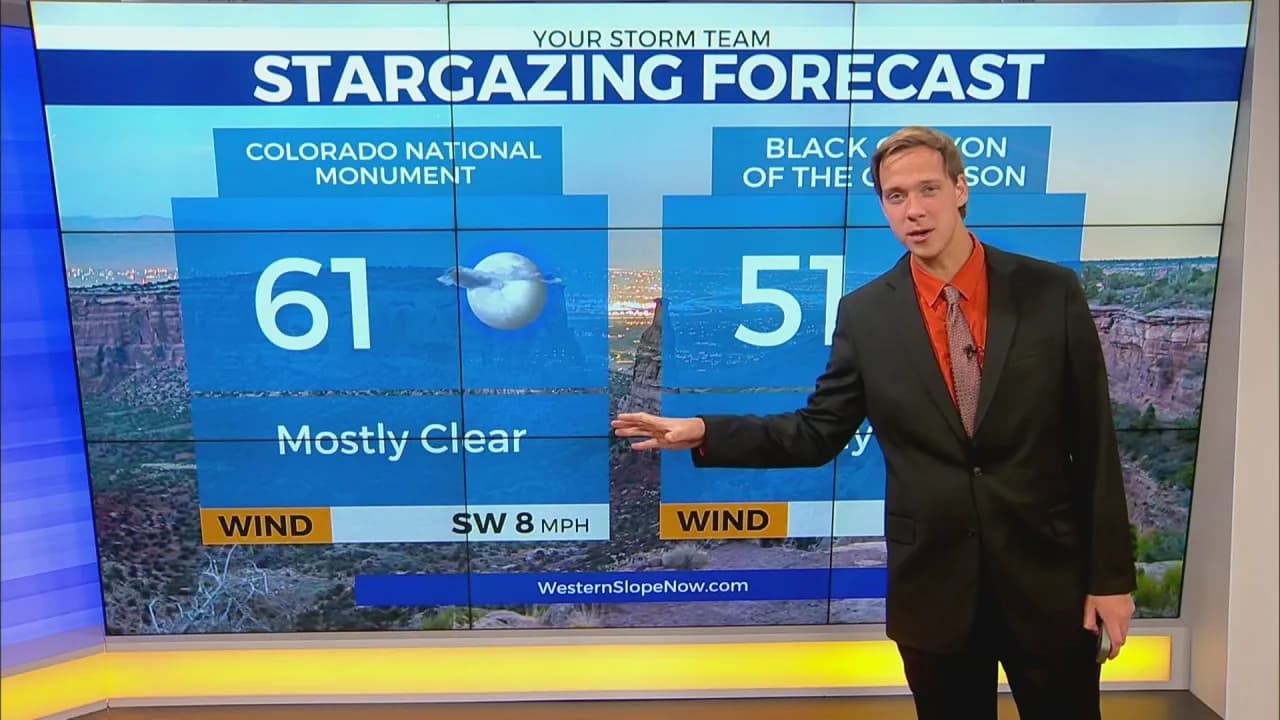
You can feel the tension in the air. It’s the same tension that has locals eyeing the horizon for smoke, not just clouds. The heat is unseasonable, sitting 10 to 15 degrees above the seasonal average for the first part of June. Moab has already started seeing triple-digit highs, and Grand Junction is right on track. Tonight, the low will settle near 60 degrees, a small mercy that offers little respite from the day’s intensity. The sky might be clear, and you might even catch the Northern Lights if you’re lucky and have a camera with a long exposure, but the warmth will linger in the soil, waiting for the sun to kick it back up tomorrow.
Why does this matter to you, right now, in your home in Grand Junction or your cabin in the San Juans? Because the fire risk is real, and it’s immediate. The wind is terrain-driven overnight, but by afternoon, it picks up, reaching gusts of around 20 knots at most sites, with some areas seeing even stronger bursts. This is the kind of wind that can take a spark from a campfire or a dropped cigarette and turn it into a blaze before you can grab your keys. The moisture is low, the temperatures are high, and the wind is relentless.
There’s a warmth to the way the heat settles into the valleys, a heaviness that makes the air feel thicker than it should. But it’s not just about comfort; it’s about caution. The National Weather Service is clear: prepare for critical fire weather conditions. This is not a drill, and it’s not a temporary glitch. It’s a persistent pattern, driven by high pressure ridging building near the Four Corners, keeping the heat locked in place.
As the weekend approaches, the heat will dominate. Sunny skies will persist, and the wind will return, gusting and dry. You might see a slight chance of showers in the San Juans, but don’t expect the valleys to get much more than a dry breeze. The heat will stay, hovering in the nineties for at least the next week, with temperatures only cooling to average upper 80s by Sunday and Monday as the wind flow shifts westerly. But for now, the focus is on Saturday, when the heat and wind combine to create a perfect storm of fire danger.
The sun sets, but the heat doesn’t leave immediately. It lingers in the pavement, in the dirt, in the air. You can feel it radiating off the ground, a steady, low-grade fever that keeps you awake at night. The Northern Lights might flash in the sky, a fleeting beauty against the dark, but down here, the focus is on the dry grass, the gusting wind, and the watchful eye of the weather service. The heat is here, and it’s not going anywhere until the next system moves in, which, according to the forecast, won’t be for a while.
Keep up with Western Slope
The day's Western Slope news, one email each morning. Free.
Steamboat Recommends E-Motorcycle Education to Clarify Rules
BLM Clears 113 Roan Plateau Parcels for December 2026 Oil and Gas Lease Sale
Southern Colorado Releases 2,500 Acre-Feet to Save Drying Arkansas River
Mudslides Strand Visitors on East Portal Road After Heavy Rain

How Western Slope Residents Can Safely Wash Produce Amid Cyclospora Outbreak