Western Slope Cannabis Industry Reacts to Schedule Change
The recent rescheduling of state-licensed medical marijuana has sparked mixed reactions in the Western Slope cannabis industry, with hopes for increased research and accessibility, but also concerns about logistical challenges and uneven regulations.
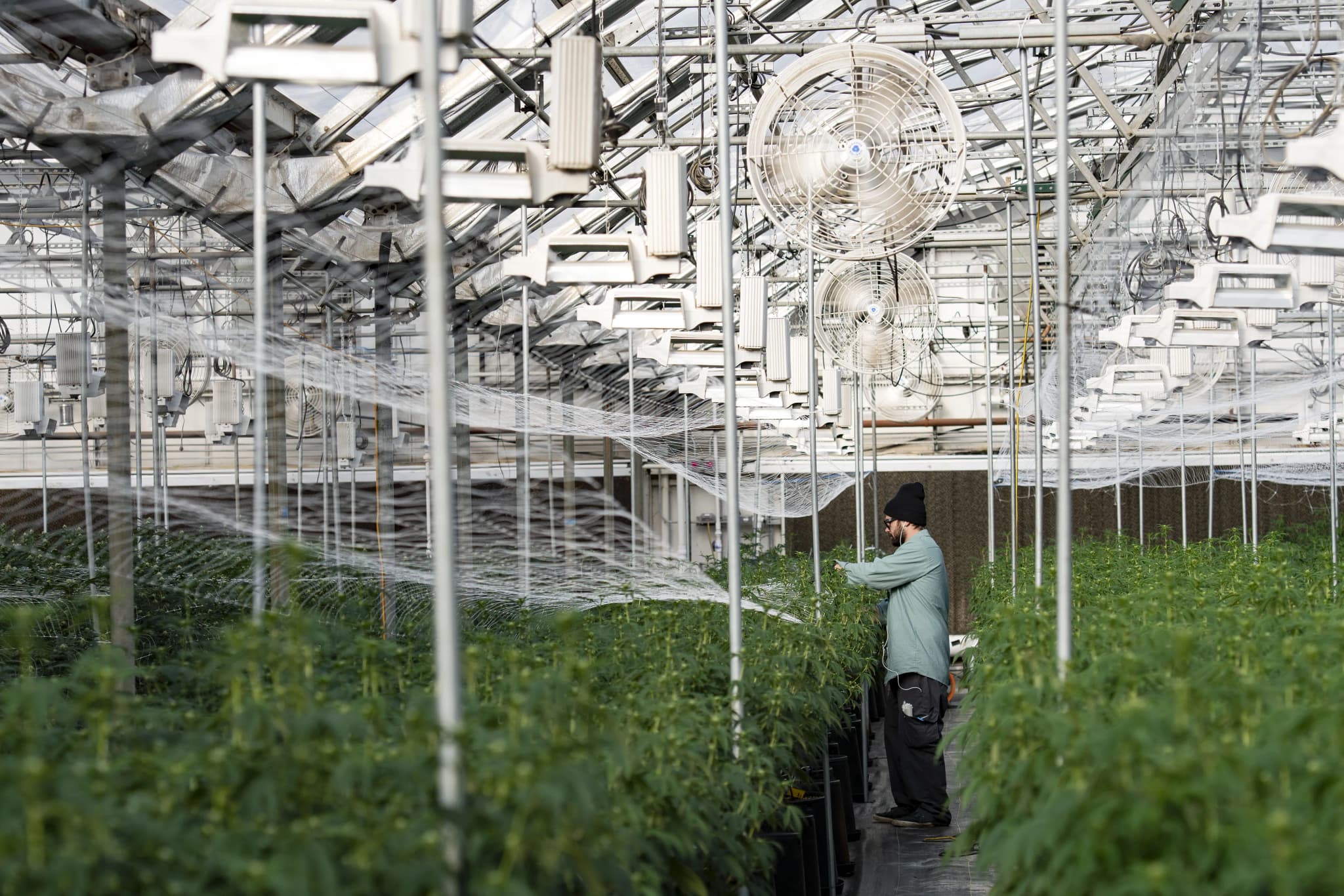
Colorado —What does the recent decision to reschedule state-licensed medical marijuana from a Schedule I to a Schedule III controlled substance mean for the cannabis industry in our own backyard, here on the Western Slope? As I drive down Grand Avenue in Paonia, I pass by the local dispensary, wondering how this change will impact the folks who work there, and the customers who rely on their products. The sun is setting over the mountains, casting a warm orange glow over the town, and I can smell the sweet aroma of blooming flowers wafting through the air. It's a peaceful scene, but I know that the cannabis industry is complex, and this decision will have far-reaching consequences.
Dr. Jacci Bainbridge, a professor of pharmacy and researcher at the University of Colorado Anschutz, has dedicated her work to studying the potential medical benefits of cannabis use. Her research has been hindered by the strict storage requirements and extensive paperwork that come with working with a Schedule I controlled substance. But with the rescheduling, she's hopeful that the rules will become less onerous, and funding for her research will increase. As she works on her studies, including one on restless legs syndrome and another on back pain, I wonder if the patients she's trying to help will see a tangible difference in their lives. Will they have easier access to the products they need, or will the industry's logistical kinks take time to iron out?
As I talk to locals in the industry, I sense a cautious enthusiasm. They're pleased that the federal government is finally acknowledging the medical benefits of cannabis, but they're also aware of the challenges that lie ahead. The decision to reschedule only applies to state-licensed medical marijuana, leaving recreational cannabis businesses in a gray area. This split could create uneven footing for businesses that rely on cannabis sales, with medical marijuana businesses facing fewer restrictions than their recreational counterparts. I think about the small, family-owned dispensary in Hotchkiss, and how they might navigate these changes. Attorney Shawn Hauser, a veteran of Colorado's marijuana legalization initiatives, says that we're "nearing the end zone," but there's still work to be done. Governor Jared Polis echoes this sentiment, stating that it's "high-time the federal government is finally catching up to states like Colorado that have led on safe, regulated medical and adult-use cannabis." As the implications of this decision unfold, the local cannabis sector will need to adapt to new regulations and opportunities. The future of marijuana in our state will be shaped by the interactions between government policies, business strategies, and community needs.
As the stars begin to twinkle over the mountains, I'm left with more questions than answers. How will this decision impact the local economy, and the jobs that rely on marijuana sales? What about the patients who use cannabis for medical purposes - will they see a decrease in costs, or an increase in accessibility? The only certain thing is that the future of cannabis in our region will continue to evolve, and it's up to us to stay informed, and to advocate for the changes that will benefit our community. The sound of crickets provides a soothing background hum, as I ponder the complexities of this issue, and the uncertain future that lies ahead.
Keep up with Colorado
The day's Western Slope news, one email each morning. Free.

Federal Report Sets 200,000 Acre-Foot Water Conservation Target for Upper Basin
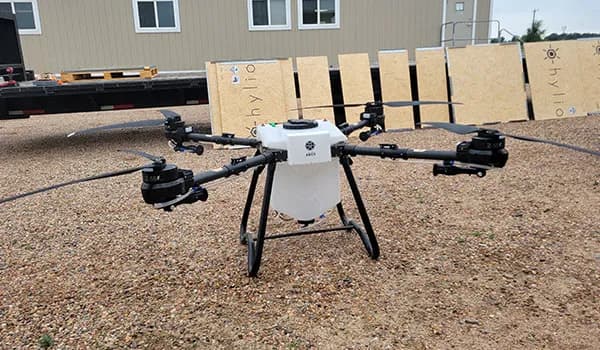
Colorado Parks and Wildlife Deploys Precision Drones for Weed Control