Western Slope Drivers Ration Gas and Cut Spending as Inflation Squeezes Wallets
Western Slope residents are rationing gas and cutting back on impulse buys as high fuel prices and persistent inflation squeeze household budgets, forcing a structural shift in consumer spending habits.
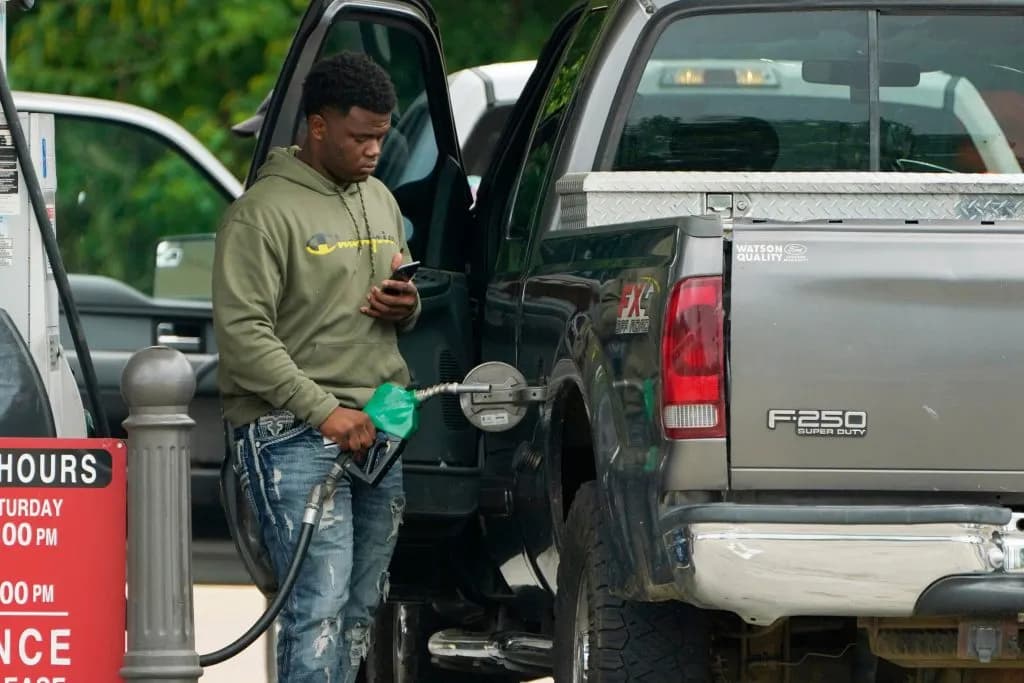
Aspen —Trevor Chapman and his wife in West Hills, California, stopped going to the local independent gas station. They now plan their fuel stops around Costco. It’s a small shift. It feels like a surrender.
“Gas is a kind of catalyst,” Chapman said. “It trickles down into the entire budget. We’re trying to keep everything as normal as possible. But it’s starting to feel like it’s adding up more and more.”
That’s the story for the Western Slope. We aren’t West Hills. We don’t have Costco warehouses dominating our commute. But we have the same pressure. We have the same squeeze. The Iran war drove up fuel prices. The result isn’t that Americans stopped spending. It’s that they started counting every cent.
Major retailers are sounding the alarm. Walmart, McDonald’s, and Dollar General reported resilience in their earnings calls. But they also admitted something darker. Lower-income customers are cutting back hard. The generous income tax refunds helped shore up sales for a few months. That cushion is gone. Now consumers face the cumulative impact of expensive gas, higher food prices, and insurance hikes.
The Commerce Department reported last week that higher prices, not more purchases, drove the growth in American spending in April. A key inflation gauge hit its highest level since October 2023. We are paying more for less.
Look at the gas pumps. Members-only warehouse stores like Costco, Sam’s Club, and BJ’s Wholesale Club saw traffic surge at their fuel pumps after the war began in late February. Wholesale fuel costs less. That’s the logic.
But drivers aren’t filling up. Walmart Chief Financial Officer John David Rainey told analysts that for the first time since 2022, customers are buying an average of less than 10 gallons per trip. That’s not a rounding error. That’s stress.
Costco CFO Gary Millerchip said members are visiting gas stations more frequently to “top up in between what would have normally been a gap between getting the tank to empty.” They are worried about what the price will be tomorrow. They are trading volume for price protection.
This hits convenience stores hard. Jeff Lenard, a vice president at the National Association of Convenience Stores, noted that 80% of all fuel is sold in these small shops. They are losing the big fill-ups. They are losing the impulse buys.
The behavior change is subtle. It’s in the routine. It’s in the fewer visits to clothing and furniture stores. It’s uneven across the population. But it’s real.
Shoppers were already being choosy before the Iran conflict escalated. They were fatigued by years of stubborn inflation. They were reeling from tariffs on imported goods imposed last year. The war just accelerated the bleed.
Locals in Delta and Montrose counties feel this. We spot it at the grocery store. We notice it at the hardware store. We see it in the way people hesitate before swiping their cards. The press releases talk about “resilience.” The CFOs talk about “strategic adjustments.”
Read that again.
The short version: people are broke. They are rationing gas. They are avoiding impulse buys. They are doing more online food shopping to avoid the trap of the checkout aisle.
The question isn’t whether this will get worse. It’s how much longer the average neighbor can hold on before the “fewer frills” becomes “no frills.” The tax refunds are gone. The gas is still high. The food is still expensive.
Make no mistake. This isn’t a temporary dip. It’s a structural shift. And it’s hitting our wallets harder than the news anchors let on.
Keep up with Aspen
The day's Western Slope news, one email each morning. Free.

The digital counter on the side of the bus in Carbondale ticks over, but the seats inside are half-empty

Eagle County Launches Aging Well Roadmap To Keep Seniors Housed