Western Slope Winemakers Elevate Rosé Beyond Trend
Global wine sales decline while rosé grows, with Western Slope producers like Acumen offering complex, high-elevation varieties that rival red wines in structure and flavor.
Aspen —“Rosé All Day” was the mantra. It still is, though the market has shifted.
Paul Chevalier laughed when I saw him at this year’s Food & Wine Classic in Aspen. He has been instrumental in building Château d’Esclans into a dominant brand, starting with the introduction of Whispering Angel in 2006. His story reflects a broader trend: while total wine sales have slipped globally, rosé continues to chug along.
Let’s do the math on that resilience. From 2015 to 2020, demand for rosé grew by over 100%, driven by powerhouse Provençal producers like Whispering Angel, Domaine Ott, and Miraval. The last five years have been tougher for the overall still wine market, but case sales for rosé brands did not fall as far. There is even an uptick in sales lately.
But here on the Western Slope, we are not just drinking pink water. We are drinking structure.
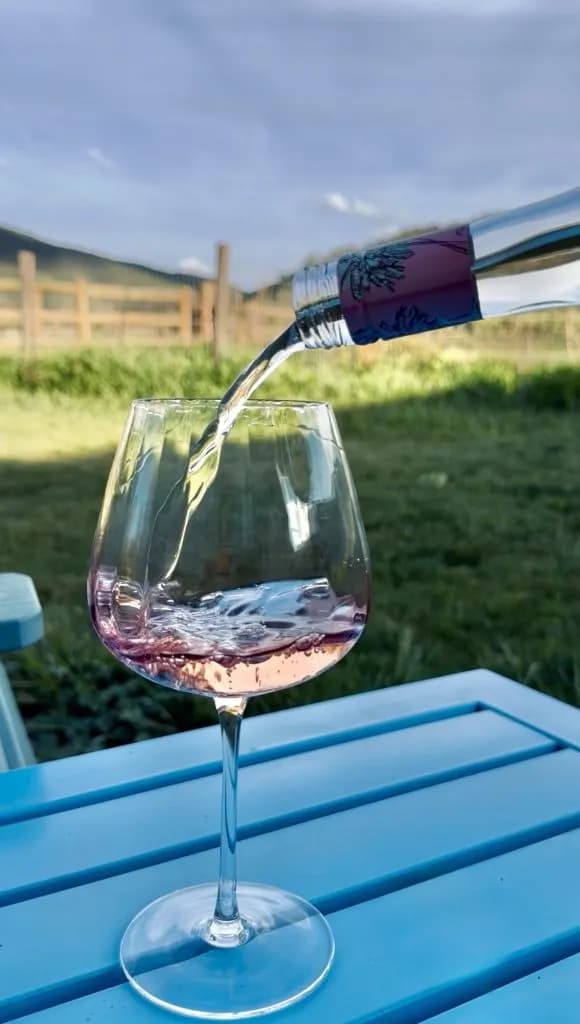
Earlier this week, I opened a bottle of 2020 Acumen “Mountainside” Rosé. It was made from 100% Merlot grown at 1,300 feet of elevation in the Attelas Vineyard on Atlas Peak, high above Napa Valley. This was not your typical rosé. The wine possessed a dark, reddish-orange hue, transparent but rich, much like a stunning sunset.
Phillip Titus, one of the region’s most preeminent winemakers, made this wine. He spent over 30 years at Chappellet mastering the art of mountain-grown wines. The Acumen Mountainside had heft and gravitas. At 14.1% abv, it was not a light sipper. It smelled of blood oranges and bright red cherries, with flavors of candied raspberries and strawberries. It was fresh, five years in the bottle.
My wife said it right: “We should drink more rosé!”
The heat here has been dry and intense. It is the perfect time to imbibe in the many pink options available. Yet, I have been sipping chilled sauvignon blanc (Aperture and Cuvaison) and enjoying a cool chenin blanc (Chappellet). I even opened albariño while watching Spain’s World Cup run, which culminated in their 1-0 win over Argentina in extra time. Two great wine nations going toe to toe in footie.
But on a random Tuesday, pulling the cork on that 2020 Acumen felt like one of my better ideas.
Rosé is no longer the red-hot darling it was a few years back, but it remains a shining light in a world wine market struggling with changing tastes, tariffs, and declining sales. The “Rosé All Day” lifestyle influencers were right about the color, but the quality has evolved.
This matters for locals because it means variety without compromise. You can get that refreshing, bracingly delicious profile you want for a hot summer day, but with the complexity of a red wine. The 14.1% abv on the Acumen proves that rosé can stand up to a meal, not just sit on a patio.
For context, the global decline in wine sales has not killed rosé; it has refined it. The brands that survived are the ones with substance, like those from Provence and now, increasingly, mountain-grown varieties.
The practical takeaway for folks around here is simple: stop treating rosé as a seasonal novelty. Treat it like the serious wine category it has become. With tariffs shifting and tastes changing, the shelves are stocked with options that offer more than just a pretty color.
You pay for the elevation, the winemaker’s expertise, and the resilience of the market. In this case, that meant a Tuesday night wine that cost less than a dinner out but delivered more than most reds.
Keep up with Aspen
The day's Western Slope news, one email each morning. Free.