Westminster Specialized School ACES Faces Sanctions Over Restraint Practices
The ACES specialized school in Westminster faces state sanctions and district withdrawals after parents report excessive physical restraints and punitive behaviors for students with autism.
Colorado —“Their intention was to get him to stop behaviors through fear and coercion.”
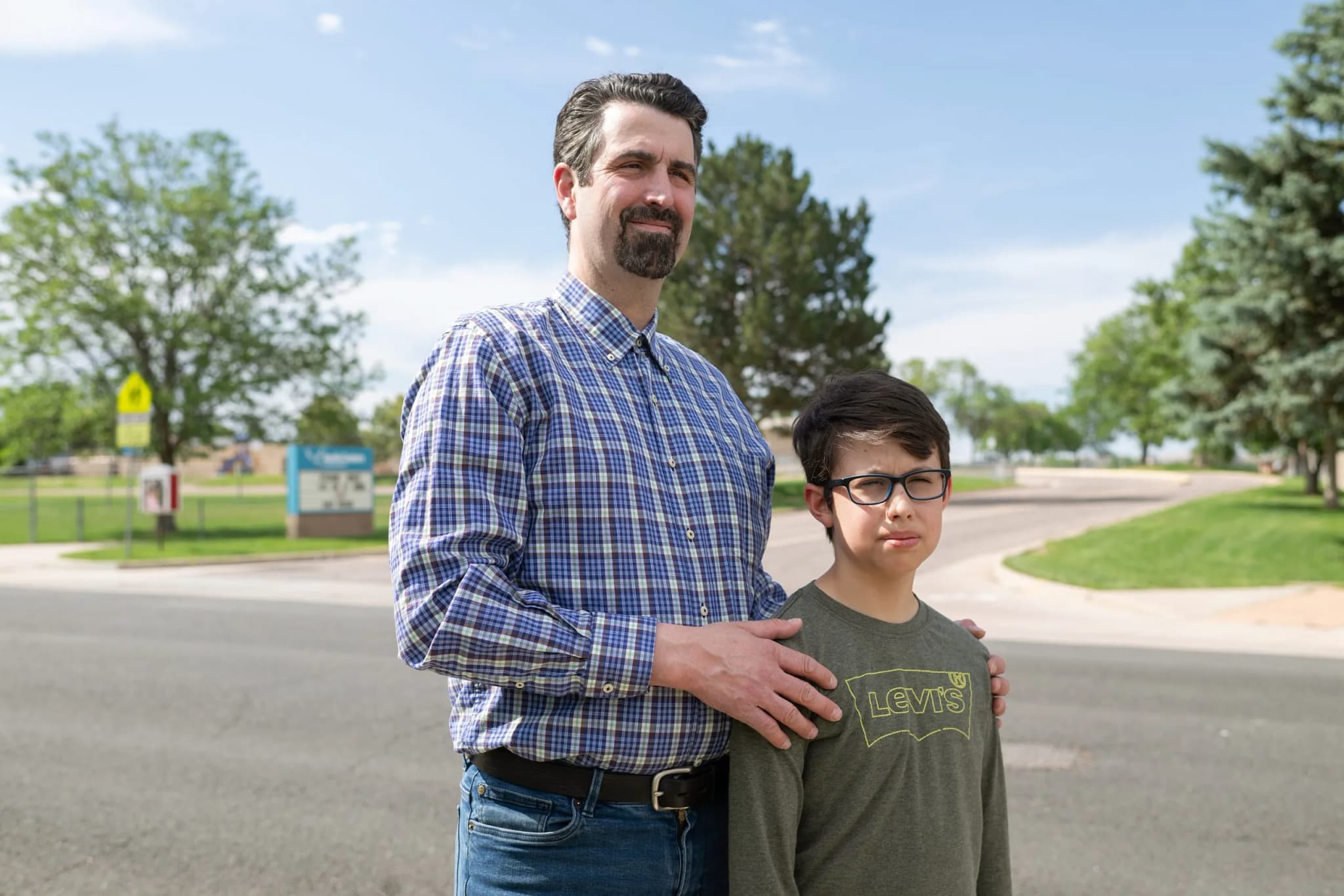
That’s what Mark Brostrom said about The ACES, the Austin Centers for Exceptional Students in Westminster. He pulled his 11-year-old son out after the boy came home with scratches and bruises. The boy called one specific restraint “the crucifixion.”
It wasn’t a metaphor. The 11-year-old was pinned to the floor on his back. Staff held his arms and legs. It made him struggle harder.
Brostrom thought the new specialized school near their home would be the answer. His son has autism. He scores well on tests. But stress triggers self-harm and property destruction. Public schools couldn’t handle it. The district suggested The ACES. It seemed like flexibility.
It turned out to be a trap.
The ACES is a “specialized day school,” a category created by state lawmakers in 2023. The goal was simple: open the door for providers like The ACES when traditional facility schools dwindled. They wanted more options for kids with intense behavioral or mental health needs.
Less than two years later, that experiment is failing.
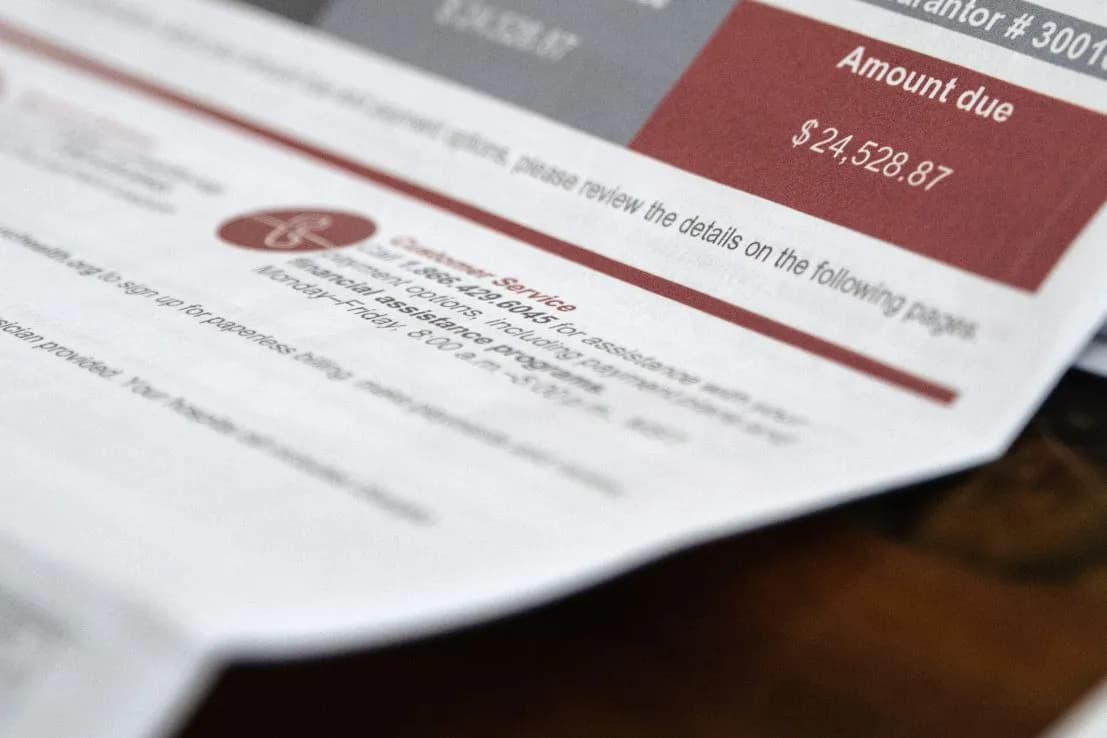
The school faces state sanctions. It risks losing funding. Colorado education officials put it under a rare corrective action plan. Two of the state’s largest districts pulled all or some of their students out this spring. Facility schools are funded directly by the state, but districts pay tuition to send children there. That money is on the line.
Meryl Duguay, a disability advocate, sounded the alarm. She visited The ACES in May. She notified the Colorado Department of Education.
“They have this way of doing things that is not something we’re going to accept in Colorado,” Duguay said.
The short version: The state opened the door to specialized schools to help kids. They didn’t build a strong enough frame. Now, parents are paying the price.
Chalkbeat spoke with four parents who removed their children or skipped tours entirely. A former teacher left because she disagreed with how the school treats both students and staff. The consensus is clear. The restraint protocols are too heavy. The safety is too thin.
Brostrom’s son is bright. He’s capable. But the physical force used to control him wasn’t about safety. It was about compliance. It was about getting him to stop moving, not helping him regulate.
The ACES model relies on physical intervention. Critics say it’s outdated. It’s punitive. It’s not therapeutic.
Duguay’s visit triggered the state’s intervention. But the damage is already done. Tuition dollars are draining from district budgets. Parents are left picking up the pieces.
The state created a new category to fix a broken system. Instead, it created a new liability.
Brostrom noted the lack of care for his son’s physical well-being. Scratches. Bruises. Fear. That’s the result of a policy shift that prioritized capacity over safeguards.
The ACES is still open. For now. But the writing is on the wall. If two major districts are pulling out, others will follow. The question isn’t whether the school will lose more funding. It’s whether the state will force it to change its core methods or let it bleed out.
Neighbors in Westminster are watching. They’re asking why their tax dollars are buying restraints instead of recovery.
The answer is coming. It just might cost them another year of tuition.
Keep up with Colorado
The day's Western Slope news, one email each morning. Free.


Federal Report Sets 200,000 Acre-Foot Water Conservation Target for Upper Basin
Colorado Parks and Wildlife Deploys Precision Drones for Weed Control