White River National Forest Faces Uncertain Future
The proposed relocation of the US Forest Service headquarters and closure of regional offices sparks concerns about the future of public lands and local communities.

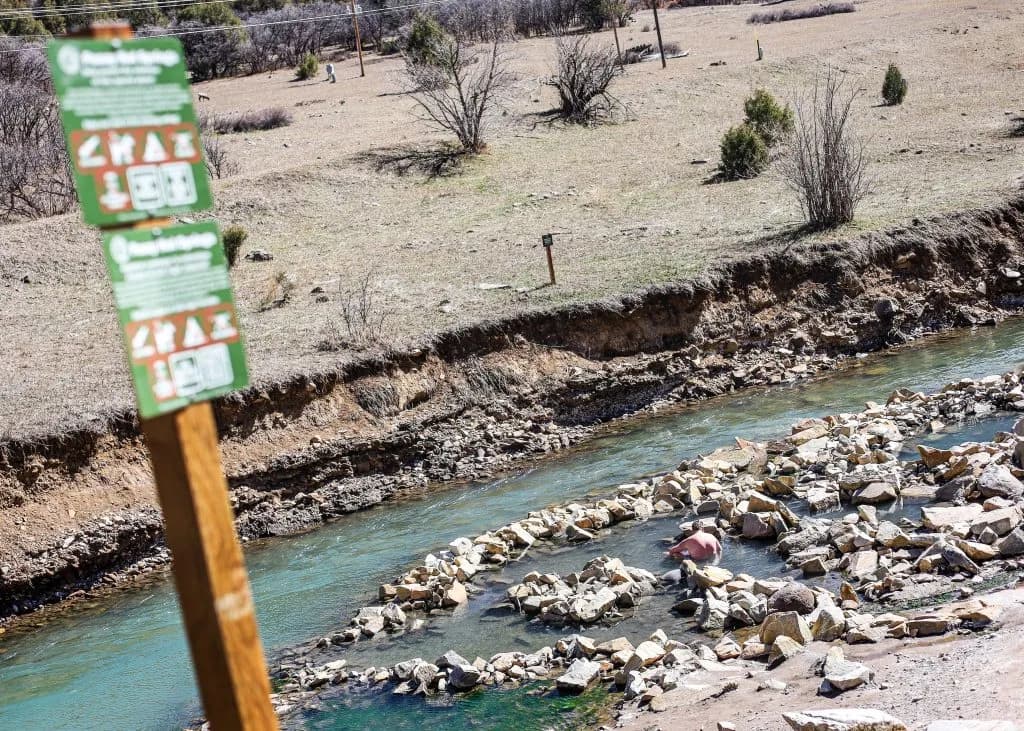
Aspen —The sun rises over the White River National Forest, casting a warm glow over the aspen trees and the winding roads that lead to its trails. A sign greets travelers, a familiar landmark for locals and visitors alike, as they make their way to this beloved public land. The forest is a staple of the community, a place where people come to hike, hunt, and connect with nature.
But the future of this forest, and the U.S. Forest Service that manages it, is uncertain. As Tracy Stone-Manning, the former director of the Bureau of Land Management, recently pointed out, the current administration's plan to move the Forest Service headquarters and close regional offices could have devastating consequences. "It will hurt forests, wildlife and communities that rely upon our public lands and waters," she said. The plan, which aims to shutter dozens of research centers, comes at a time when the country is bracing for a potentially horrific wildfire season.
The Forest Service and the BLM manage nearly 20% of the country's lands and waters, including the White River National Forest. These public lands are a vital part of the local identity, a place where people can connect with nature and enjoy the beauty of the outdoors. But they are also a critical part of the local economy, supporting businesses and jobs that rely on tourism and outdoor recreation. The administration's plan to dismantle the Forest Service could have far-reaching consequences for the community, including the loss of jobs and the degradation of public lands.
Here's the thing though: the administration's claim that the changes are about bringing leadership closer to where the work happens is not supported by evidence. As Stone-Manning noted, the real point of these changes is to create chaos and disrupt the functioning of government agencies. The plan to move the Forest Service headquarters is not about improving management, but about undermining the agency's ability to protect public lands. "We improve the management of our forests by giving foresters the resources they need and letting them make decisions based on sound science and collaboration, not by gutting their agency," Stone-Manning said.
The consequences of this plan are already being felt. Over the course of the last year, the Forest Service has forced or coerced roughly a quarter of its employees to leave, a loss of expertise and knowledge that will be difficult to replace. And with the latest round of changes, thousands of people will be reassigned and ordered to move, a move that could lead to the loss of nearly half of the agency's staff. As Stone-Manning noted, the experience of the BLM, which lost nearly 90% of its employees when it was forced to move its headquarters, suggests that the Forest Service could face a similar brain drain.
The impact of this plan will be felt locally, as the Forest Service is a critical part of the community. The agency's employees are not just bureaucrats, but also neighbors and friends, who are dedicated to protecting public lands and supporting local businesses. The loss of these jobs and the degradation of public lands could have a ripple effect throughout the community, impacting everything from local businesses to the quality of life.
As sunset approaches in the forest, the uncertainty of the future hangs in the air. The forest, once a symbol of stability and protection, is now a reminder of the fragility of public lands and the importance of responsible management. The community will be watching closely as this plan unfolds, and the consequences of the administration's actions become clear. And that matters because the future of public lands, and the people who rely on them, is at stake.
Not exactly a surprise, the plan has been met with widespread criticism from conservation groups and local communities. Picture this: a forest without the protection of the Forest Service, without the research and management that has allowed it to thrive. It's a scenario that's difficult to imagine, but one that could become a reality if the administration's plan is allowed to move forward. The community will be fighting to protect its public lands, and the Forest Service, which has been a stalwart defender of these lands for generations.
The White River National Forest, once a place of solace and beauty, is now a battleground in the fight to protect public lands. The outcome is far from certain, but the community will not give up without a fight. As Stone-Manning said, "These public lands, the places we camp, hike, watch birds, hunt and simply wander in nature, are truly one of America's best ideas." The community will be working to ensure that these lands continue to thrive, and that the Forest Service remains a strong and effective protector of these lands, which are deeply ingrained in the community's identity.
In the end, the sun will continue to shine on the forest, but the future of this land, and the people who rely on it, is uncertain. The community will be watching, and waiting, to see what the future holds.
Keep up with Aspen
The day's Western Slope news, one email each morning. Free.