White River National Forest Proposes Managed Zones for Sweetwater Lake
The Forest Service proposes limiting the wild feel of Sweetwater Lake by implementing managed recreation zones and a partnership with Colorado Parks and Wildlife to handle increased visitation.
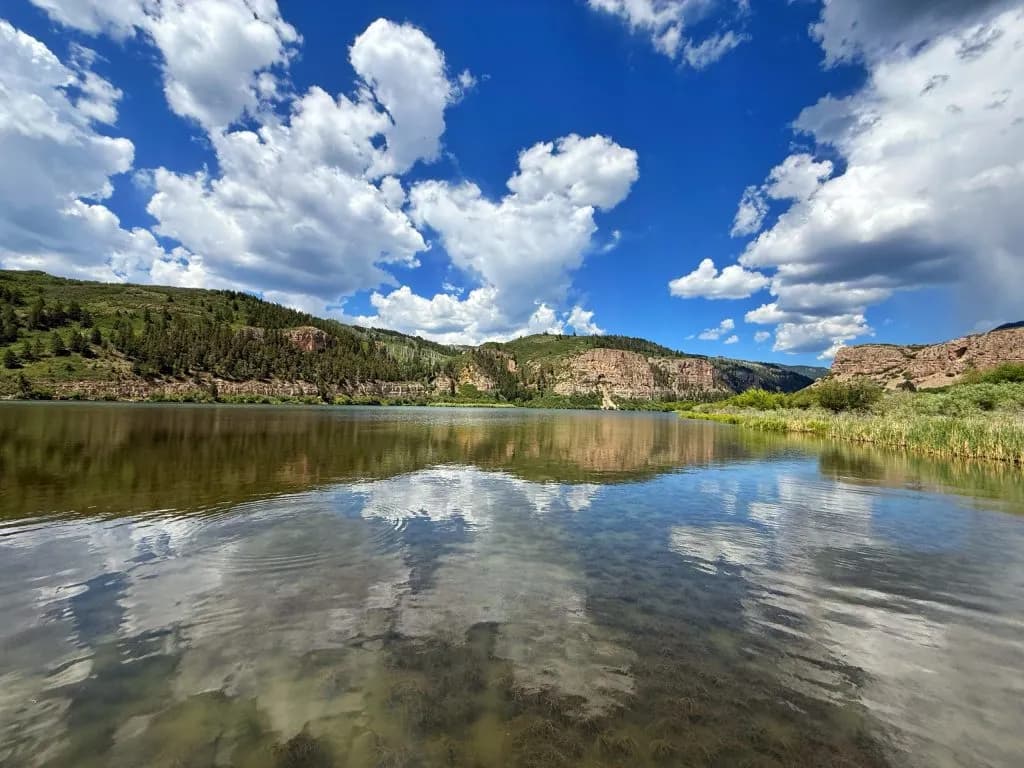
Glenwood Springs —The White River National Forest is about to get a lot busier, and the plan is to make it feel less like a chaotic parking lot and more like a managed park. That’s the counterintuitive twist in the Forest Service’s new proposal for Sweetwater Lake: they want to improve the experience by potentially limiting how wild it feels.
It sounds like a contradiction. You drive up to Sweetwater Lake expecting rugged, high-country solitude. Instead, the draft environmental impact statement outlines a strategy that involves zoning, infrastructure upgrades, and a long-term partnership with Colorado Parks and Wildlife. The goal isn’t to keep the area primitive; it’s to handle the crush of visitors without destroying the very resources people come to see.
The numbers back that up. The area in question spans 844 acres. Of that, 433 acres were acquired in 2021 through the Land and Water Conservation Fund, with the remaining 413 acres being existing National Forest System land. That acquisition significantly boosted public access, and the traffic has followed. The Forest Service isn’t waiting for the potholes to crack; they’re building a proactive management plan now.
“We have proposed partnering with Colorado Parks and Wildlife because they have the expertise to effectively manage this long-cherished area,” Eagle-Holy Cross District Ranger Leanne Veldhuis said in a news release. “We could achieve more working together.”
The question is whether locals and frequent visitors will buy into that partnership. The draft presents four distinct alternatives, and the choice between them will define the character of the lake for decades.
Alternative 1 is the no-action route. It keeps things as they are. If you like the current chaos, the uncertainty, and the lack of facilities, this is your pick. But it’s not a static status quo. It’s a slow drift toward degradation as use increases and no new resources are dedicated to managing it.
Alternative 2 is the proposed action. It’s the middle ground. It focuses on maintaining and improving existing recreation opportunities while protecting sensitive resources. The key here is the creation of eight recreation zones designed to spread out use and reduce conflicts. It’s a traffic management strategy for a lake. Under this plan, Colorado Parks and Wildlife would take the reins through a 20-year special use permit. This is the option that balances access with order.
Alternative 3 is the minimalist approach. It offers fewer improvements and facilities. It aims for a more primitive experience with limited staffing and infrastructure. It drops the long-term CPW partnership. If you believe the government should stay out of the woods and let nature handle the crowds, this is your alternative.
Alternative 4 is the expansion play. It manages the area for greater visitor capacity without putting a hard cap on visitation. It includes more facilities and infrastructure to accommodate more day-use and overnight visitors than the proposed action. It’s the option for those who believe the solution to overcrowding is more space and more services, not less.
Veldhuis notes that these alternatives were developed with significant input from the public and cooperating agencies, including Colorado Parks and Wildlife, Garfield County, Eagle County, and the town of Gypsum. The draft analyzes all four, but officials have identified Alternative 2 as the proposed action. The final plan, however, could be a hybrid, blending elements from multiple options based on the feedback they receive.
The public meetings are coming up in July. The first is scheduled for 4 to 7 p.m. on July 22 at the Glenwood Springs Library. That’s a convenient time for folks who work during the day and want to weigh in before the decision gets locked in.
The acquisition of those 433 acres changed the dynamic. It turned a remote corner of the forest into a destination. Now, the Forest Service is asking the community to decide what that destination looks like. Do you want the wild, unmanaged feel of Alternative 3? The expanded capacity of Alternative 4? Or the balanced, managed approach of Alternative 2?
“Public involvement is an important part of determining the future of the Sweetwater Lake,” Veldhuis said. “We developed these alternatives with significant input from the public and other stakeholders.”
It’s a simple statement, but it carries weight. The land is already public. The access is already there. The only thing left to decide is how we share it. Time will tell whether the community chooses to manage the crowds or let them manage themselves.
Keep up with Glenwood Springs
The day's Western Slope news, one email each morning. Free.