Wine Writer Kelly J Hayes Reflects on Drinking Habits
Kelly J Hayes, a wine writer, shares his experience with drinking habits and the importance of responsible consumption, sparking a valuable conversation about the complexities of wine consumption.
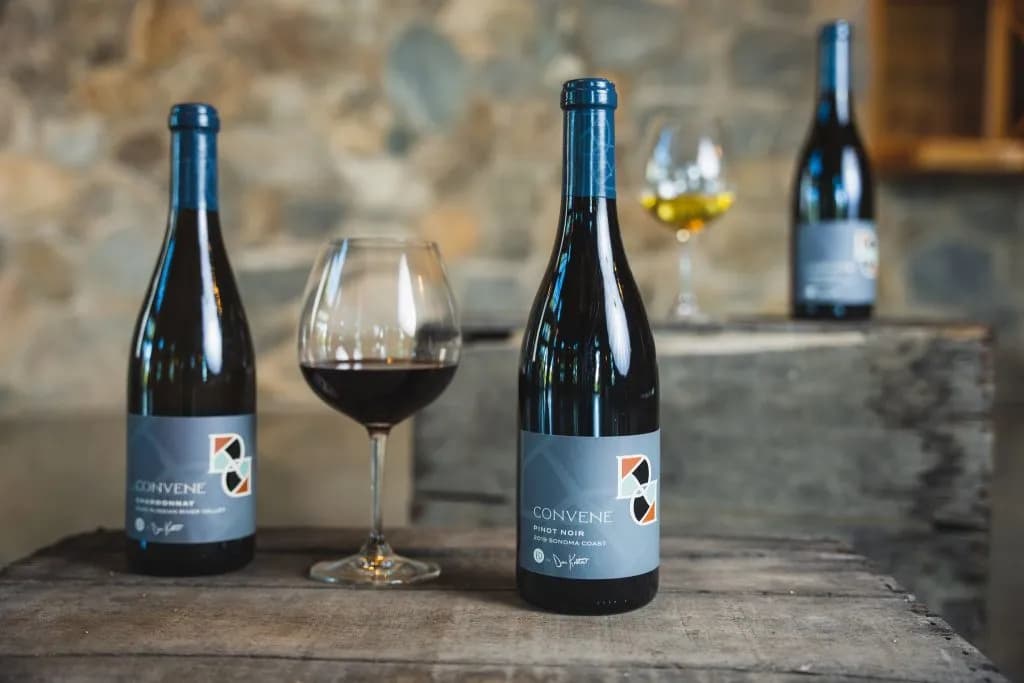
Aspen —As I sat down with Kelly J. Hayes, the writer behind the weekly wine column WineInk, I couldn't help but notice the hint of a sheepish grin on his face. It was a spring Saturday when he found himself at the Pitkin County Solid Waste Center, more commonly known as the "Town Dump," with a staggering 89 empty wine bottles in tow. The question is whether this unusual trip sparked a moment of introspection, and as Hayes puts it, "I began to do numbers in my head. And a column was born."
The numbers were striking: 89 bottles collected over a period of time, from Christmas Eve to April 11. Hayes calculated that if he consumed a bottle a night, he would have opened a bottle on all but 19 days since Christmas. This led him to consider his average daily consumption, which worked out to just under two 5-ounce glasses per day. As he noted, "I'm not proud of it, but remember: I am a professional." The numbers back that up, with the Centers for Disease Control and Prevention (CDC) defining a "standard" drink as equivalent to 5 ounces of wine with 12% alcohol.
Hayes's calculations also took into account the gatherings with friends where more than one bottle was opened, as well as his wife's daily glass or two with meals. The math, as he described it, painted a picture of a drinking habit that, while perhaps not alarming, was certainly noteworthy. According to the CDC, two standard drinks daily would be on the top end of their "moderate" consumption rate for men and exceeded the recommended amount for health purposes. As Hayes acknowledged, "In fact, compared to not drinking, drinking alcohol in moderation may increase your overall risks of death and chronic disease."
As we delved deeper into the story, I found myself wondering about the physical weight of those 89 bottles. Hayes had mentioned the struggle of loading them into his car and transporting them to the dump. It turns out that the weight of an empty bottle depends on various factors, including the type of glass and the bottle's design. While Hayes didn't provide an exact figure, it was clear that the sheer volume of bottles had sparked a moment of reflection.
The experience had also led Hayes to ponder the broader implications of his drinking habits. As someone who writes about wine for a living, he is constantly exposed to new and exciting varieties. However, this exposure comes with a price, and Hayes is not alone in his concerns. Many in the wine industry struggle with the pressures of constant tasting and consumption.
As our conversation drew to a close, I asked Hayes to reflect on his experience and what it might mean for his readers. His response was characteristically thoughtful: "I think being aware of our drinking habits and considering the potential risks is crucial for me, and I encourage responsible drinking practices among my readers." Hayes's unusual trip to the dump has sparked a valuable conversation about the complexities of wine consumption. As he puts it, "I am a professional, but I am also human, and it's okay to acknowledge our imperfections and to strive for balance in our lives."
Keep up with Aspen
The day's Western Slope news, one email each morning. Free.