Xcel Explains New Power Outage Rules to Frustrated Garfield County Businesses
Xcel Energy officials clarified that new wildfire sensitivity rules, not manual shutoffs, are causing extended outages for Garfield County businesses. Commissioners demanded better communication as revenue losses mount.
Glenwood Springs —“We have not had a PSPS,” Brad McCloud said, his voice cutting through the tension of Monday’s Garfield County commissioners meeting.
McCloud is Xcel Energy’s Area Manager and Community Relations Director, and he was there to address a growing list of complaints from local business owners. The Post Independent reported that recent power outages across the county have left restaurants and other businesses in a state of confusion. To many locals, it looked like the utility was deliberately cutting power to prevent wildfires. McCloud is here to tell them that isn’t technically what’s happening, though the result — the darkened kitchen and the lost revenue — is exactly the same.
The distinction matters because a Public Safety Power Shutoff (PSPS) is an intentional decision to cut electricity before a fire starts. What McCloud explained is different. Xcel Energy has updated its wildfire safety procedures, creating a system known as Enhanced Power Safety Settings (EPSS). Under these new rules, electrical equipment is programmed to be far more sensitive to potential hazards.
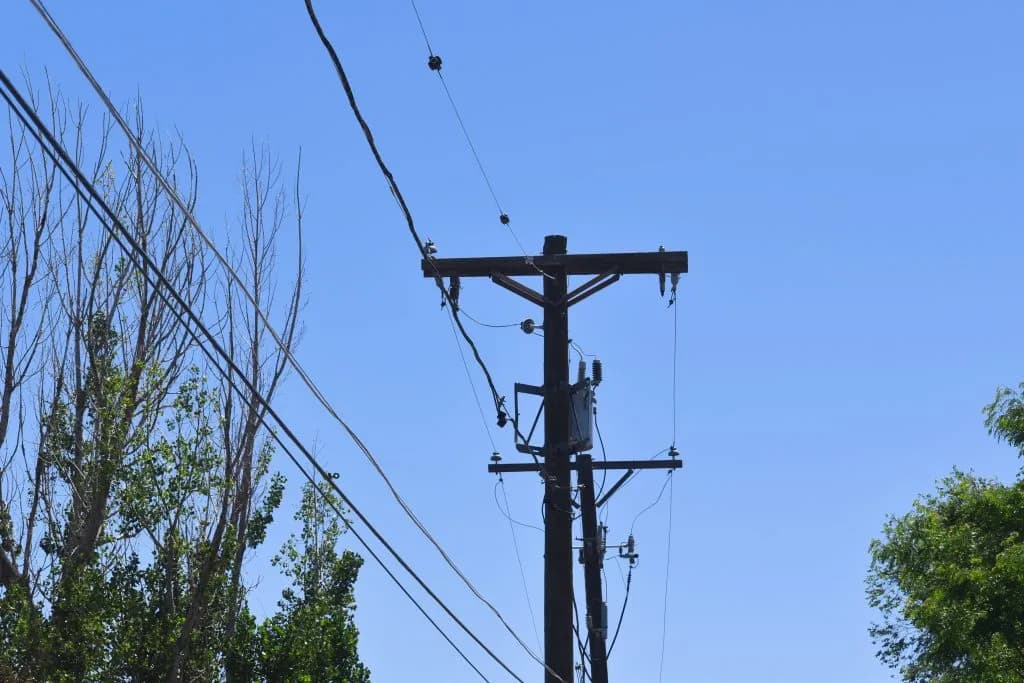
In the past, if a tree branch brushed a power line or an animal crossed a wire, the system might trip and restore power automatically within seconds. Under EPSS, that same incident triggers a sustained outage. The system shuts down and stays down until crews physically inspect the lines to ensure there is no fire risk.
That inspection process changes the math for a business owner in New Castle or Parachute. An outage that used to last thirty seconds can now last several hours, depending on where the equipment is and how accessible it is.
Commissioner Mike Samson put the frustration bluntly. He said he has received numerous calls from business owners in that stretch of county who have lost significant revenue when the lights went out during peak business hours.
“It’s happening too much, where there’s too many outages, and it’s really costing them a lot of money,” Samson said. “They really, really, really need you to communicate better with them.”
McCloud acknowledged the pain points. He explained that EPSS is activated based on specific weather conditions: high winds, low humidity, and dry vegetation. While it’s primarily a summer tool, it can be implemented in winter if conditions get unusually dry. He stressed that these outages are triggered by outside factors, branches, animals, vehicle collisions, or equipment failures - rather than a manual switch being thrown by an office worker.
“If you’re in a red flag situation where we know we’ve got fire risk, you probably … can assume we’re close to being in an EPSS, which means the system’s more sensitive,” McCloud said.
For folks running a restaurant in Glenwood Springs, the technical distinction between an intentional shutoff and a sensitive system tripping is less important than the fact that their ovens are cold. The question is whether Xcel Energy’s new sensitivity to risk will continue to translate into hours of darkness for the businesses that keep the valley’s economy moving.
McCloud left the meeting with a promise of better communication, but for now, the system remains on high alert.
“We’re working to get that information out faster,” McCloud said, “so folks know what’s happening before the lights go out.”
Keep up with Glenwood Springs
The day's Western Slope news, one email each morning. Free.