Yampa Valley Prepares for Wildfire Season Amid Drought
The Yampa Valley faces a heightened risk of wildfires due to drought conditions. Learn how local agriculture and proactive mitigation efforts can help reduce this risk.
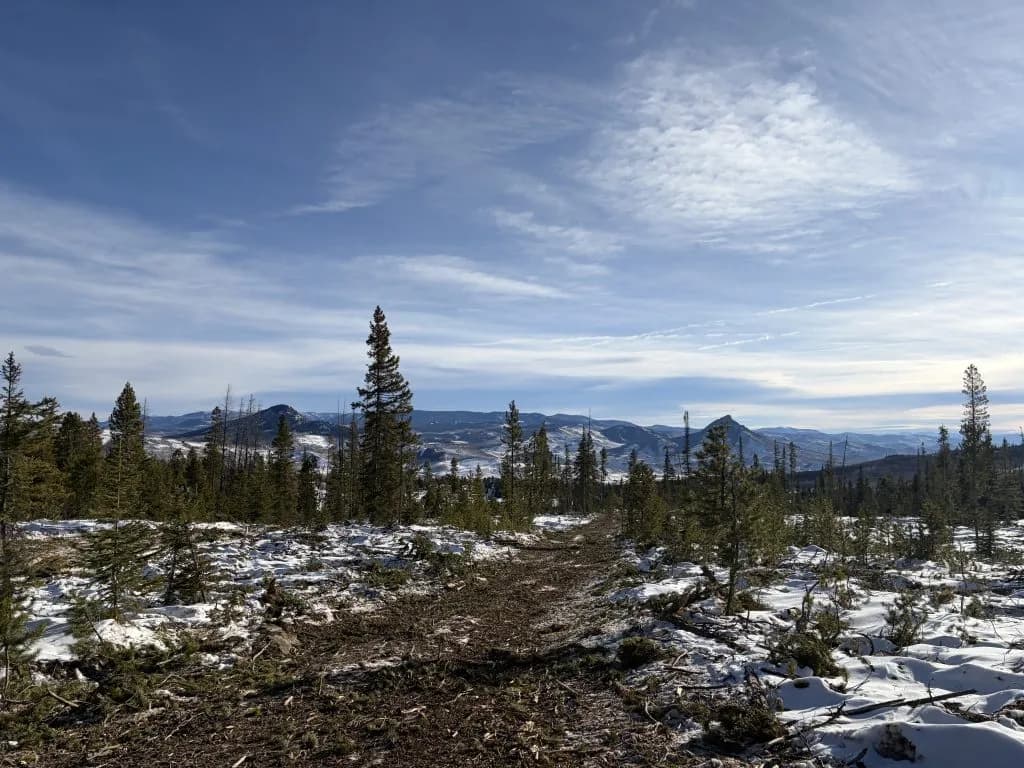
Steamboat Springs —What will a low-snow winter mean for our summer in the Yampa Valley? The question is on everyone's mind as we gaze out at the dry, brown landscape. We're standing in a dusty parking lot, surrounded by fields that would normally be lush and green by now, but the lack of snowfall has left them barren.
The effects of low snow are far-reaching, and our local agricultural community is already feeling the strain. As the article in the Steamboat Pilot notes, agriculture and wildfire are often seen as opposing forces, but the reality is more complex. For those with boots on the ground, the relationship between the two is nuanced, and agriculture can be a powerful tool in managing wildfire risk.
Picture this: a sweeping hay meadow, dotted with cattle, stretching out as far as the eye can see. It's a scenic vista, but through the lens of wildfire mitigation, it's something more - a critical fuel break. Well-managed grazing by cattle can reduce "fine fuels," the tall, cured grasses that act as kindling for a lightning strike. By keeping these fuel loads down, our local producers are effectively lowering the intensity of potential fires, giving our first responders a fighting chance to get ahead of a blaze.
Here's the thing though: the landscape can provide a natural defense, but vulnerability in ranching operations often lies in the "home ignition zone" and around critical infrastructure. That's what makes proactive mitigation so crucial. Ranchers, and homeowners alike, can take specific steps to protect their structures, such as ensuring homes, barns, and outbuildings have Class A fire-rated roofs, and screening attic and foundation vents with 1/8-inch metal mesh to prevent ember intrusion.
Not exactly a new concept, but one that's more important than ever, given the current drought conditions. Our valley's irrigation infrastructure also plays a vital role in maintaining soil moisture and creating green belts that can slow a fire's advance. These irrigated fields can act as a safety zone for wildlife and firefighting equipment, and supporting local agriculture means investing in the people who manage these critical buffer zones.
As we look ahead to summer, living with fire is a reality in our region, and stewardship is a year-round job. The plow and the fire line are more connected than most realize, and every effort counts in reducing the risk of devastating wildfires. We're walking through a field, the dry earth crunching beneath our feet, and the sound of a tractor in the distance, a reminder that our local producers are already working hard to mitigate that risk.
And that matters because, in a region where wildfire is a constant threat, every effort counts. The steps that ranchers and homeowners take to protect their structures, the work that our local agricultural community does to manage fuel loads, all add up to make a difference. We're standing at the edge of a hay meadow, the sun beating down on us, and the dry air filling our lungs, and this summer will be one of heightened awareness, of proactive mitigation, and of community effort.
The Yampa Valley is a place of beauty, but also of risk, and as we move forward into the dry summer months, the risk of wildfire will be at the forefront of our minds. We're driving down a dusty road, the fields stretching out on either side of us, and the sound of a creek running in the distance, a reminder of the beauty, and the fragility, of our landscape.
In the end, this is a community that cares deeply about its land, and its future. We're sitting on a porch, watching the sun set over the hills, and the sound of children playing in the distance.
Keep up with Steamboat Springs
The day's Western Slope news, one email each morning. Free.