Yampatika Tracks Bumblebees Surviving on Single Flower in Yampa Valley
Yampاتا launches a summer survey tracking bumblebees relying on Mule's Ears flowers after heat and low snow reduced other blooms across the Yampa Valley.
Steamboat Springs —Steamboat Lake State Park. Early July. The air is already thick with heat, and the usual summer blooms are fading fast. Lupines have closed their petals. Yarrow is drying out into brittle stalks. But in a patch of low-lying gold, something is still alive.
That’s where the bumblebees are hiding.
Yampatika is counting them. The organization has launched the “Bumble Bee Brigade Program,” a summer-long survey effort targeting state parks and public lands across the Yampa Valley. It’s not just a hobby. It’s a data collection strategy to track how climate change is reshaping the local food web.
The timing is critical. Hailey Shoptaugh, Adult and Community Programs Manager at Yampatika, noted that the program launched for the 2026 summer season just as the region emerged from one of the worst winters in state history. Low snowfall followed by intense heat waves created irregular flower blooms. That disruption hit pollinators hard.
“Bumblebees, in particular, eat both pollen and nectar and gain all of the necessary nutrients and energy to survive directly from the flowers they pollinate,” Shoptaugh said. “When flowers are scarce, bumblebees can suffer greatly.”
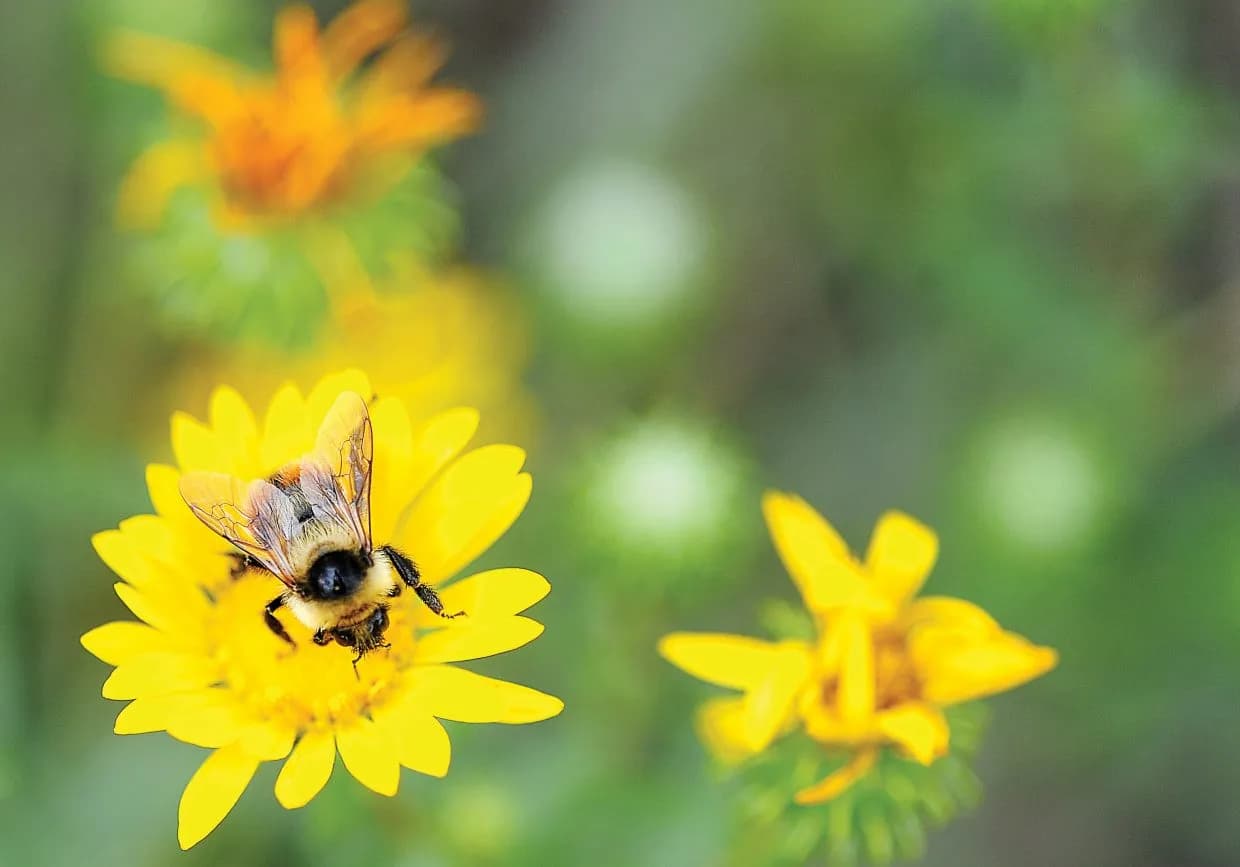
The data from early July tells a stark story. During a recent survey, researchers caught a dozen bumblebees. Eleven of them were found on a single plant species: Mule’s Ears.
Mule’s Ears is a yellow-gold, low-lying wildflower that looks like a miniature sunflower. It’s common throughout the West. It’s drought and heat resistant. It offers no other major ecological benefit, according to Shoptaugh. But right now, it’s the only thing keeping these bees alive.
“Of the dozen bumblebees we caught that day,” Shoptaugh explained, “All but one was found on a Mule’s Ears flower.”
Without that specific food source, the situation would be dire. Most wildflowers had already passed their peak bloom. The landscape was looking sparse. The bees were looking desperate.
This isn’t just a local issue. Bumblebee populations have plummeted nationwide due to climate change. Environment America estimates the decline at 90%. If the species falls further, it spells disaster for many ecosystems. The Mule’s Ears wildflower has been the mitigating factor this spring and summer, but relying on one plant is risky.
Yampatika is using this data to help scientists and land managers understand the threats facing pollinators. They follow the Xerces Society Bumble Bee Atlas guidelines. They also participate in Nature’s Notebook, Budburst, and the Colorado State University Extension Native Bee Watch Program. The goal is to increase the volume of data collected on pollinator and flower trends.
The organization is asking locals to help. They’re pushing for “No Mow May,” “Leave the Leaves,” and “Plant Native” initiatives. These efforts aim to provide food and habitats. They aim to improve survival chances.
“Helping bumblebees and other pollinators helps us,” Shoptaugh said. “One out of every three bites of food you take is owed to a pollinator.”
It’s a simple math problem. Fewer bees. Less food. Higher costs for everyone.
Yampatika is hosting another “Bumble Bee Brigade” event on Monday, Aug. 3. They want more volunteers. They want more eyes on the ground. They need to know if the Mule’s Ears hold up as the summer drags on.
The short version: The bees are surviving on a single flower because everything else failed. That’s not a trend to celebrate. It’s a warning.
Keep up with Steamboat Springs
The day's Western Slope news, one email each morning. Free.