ZGEO Pairs Geothermal Power With Housing And Industry In Montrose County
ZGEO Energy proposes pairing geothermal generation with housing and industry in Montrose County, while similar multi-use models expand across Colorado.
Glenwood Springs —On the dry, high plains of Montrose County, the wind scours the earth, stripping away the topsoil to reveal the hardpan beneath. It’s a landscape defined by scarcity — of water, of shade, of shelter. Yet, buried deep below that barren surface lies a resource hot enough to power a city.
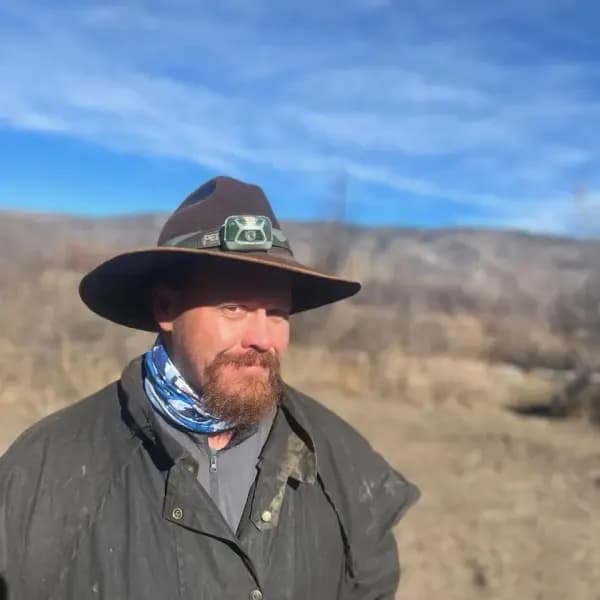
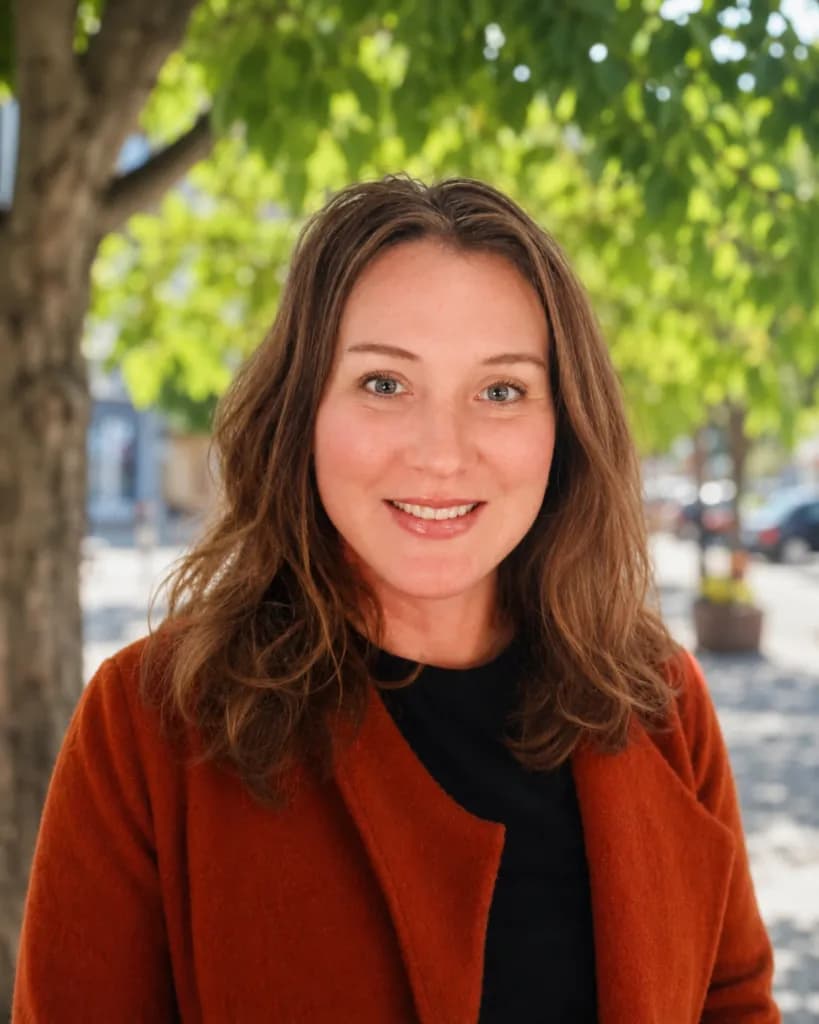
Wendy Fenner of ZGEO Energy is betting her family’s ranch on it. But Fenner isn’t just building a power plant. She’s building a neighborhood.
Let’s do the math. Traditional energy projects are siloed. You have a plant, a grid, and a customer. They’re separate entities with separate budgets. ZGEO’s concept collapses those boundaries. On paper, the project includes geothermal power generation, a large-scale electricity user, housing, and a greenhouse. In practice, this means the energy produced is consumed on-site or by immediate neighbors, reducing transmission losses and infrastructure costs.
This isn’t unique to Montrose. Colorado is testing this "multi-use" model in three distinct ways:
- ZGEO (Montrose County): Pairing power generation with a major industrial customer and residential development on the same parcel.
- University of Colorado Boulder: Working with Eavor to create a "cascade use system." The plant generates electricity first, then captures the residual heat to warm the campus thermal system.
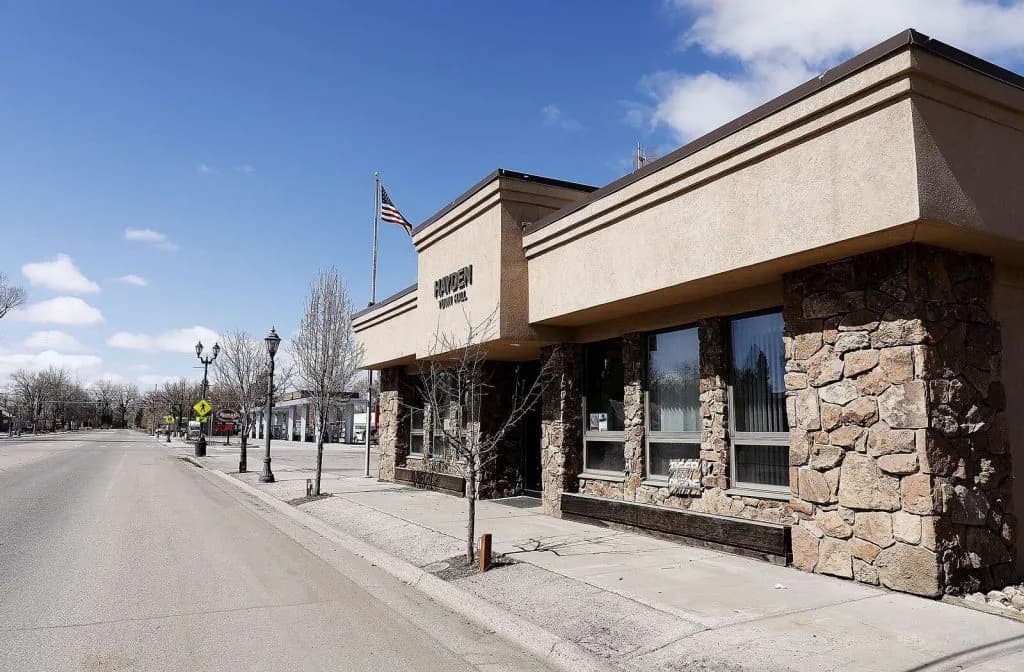
- Northwest Colorado Business Park (Hayden): Developing a roughly 230,000-square-foot district around shared geothermal heating and cooling infrastructure, serving multiple commercial tenants.
These projects differ in scale, but they share a common logic: combining technologies, customers, and land uses to lower risk and cost. For locals, the implication is that future energy proposals won’t look like the stand-alone facilities we’re used to. They’ll look like mixed-use developments where the power plant is just one component of a larger ecosystem.
Garfield Clean Energy and CLEER have been exploring these questions through geothermal market-building work. This spring, they partnered with the Grand Junction Economic Partnership to bring geothermal developers together with local governments, businesses, drillers, and community members. One goal was simple: understand how communities will have a say as projects move toward permitting and development.
Colorado handles much of the technical regulation of deep geothermal at the state level. Local governments retain authority over zoning and land use. As these hybrid projects emerge, the line between "energy facility" and "commercial/residential development" will blur. Neighbors should expect proposals that bundle power generation with housing, agriculture, or industry. The bottom line: when you see a geothermal proposal, check who else is included. If it’s just a plant, it’s old news. If it’s a plant plus homes plus a factory, that’s the new normal.
Keep up with Glenwood Springs
The day's Western Slope news, one email each morning. Free.