Amgen Sues to Block Colorado's Enbrel Price Cap
Amgen sues to block Colorado's new price cap on the blockbuster drug Enbrel, arguing the cap violates federal law while the state fights to keep costs affordable for patients.
Colorado —“Why is it such a mess?” Chief Judge Daniel Domenico asked, cutting through the jargon.
He wasn’t being rude. He was being honest. During a hearing Thursday in Denver’s U.S. District Court, the judge struggled to untangle the pharmaceutical supply chain — WACs, wholesalers, PBMs, chargebacks, rebates — just to figure out why a single drug costs what it does. His confusion highlights the core of the battle between Colorado and Amgen: a fight over whether the state can actually control the price of Enbrel, a blockbuster drug that generated more than $2.2 billion worldwide last year for the biotech giant.
Amgen is suing to block Colorado’s new price cap. The state’s Prescription Drug Affordability Board (PDAB) voted to cap the drug’s price, arguing it’s unaffordable for patients and insurers. Amarg says the cap violates the federal Administrative Procedure Act. The judge is now deciding whether to issue a temporary injunction, which would freeze the pricing measure while the lawsuit plays out.
Let’s look at the stakes. Enbrel treats rheumatoid arthritis and other autoimmune diseases. It’s not a minor over-the-counter painkiller. It’s a critical, high-cost biologic. The PDAB’s decision means that starting next year, patients and insurance companies in Colorado won’t have to pay the full market rate. They’ll pay a capped amount. Amarg wants to stop that. They want the freedom to charge whatever the market will bear, even if that market is broken.
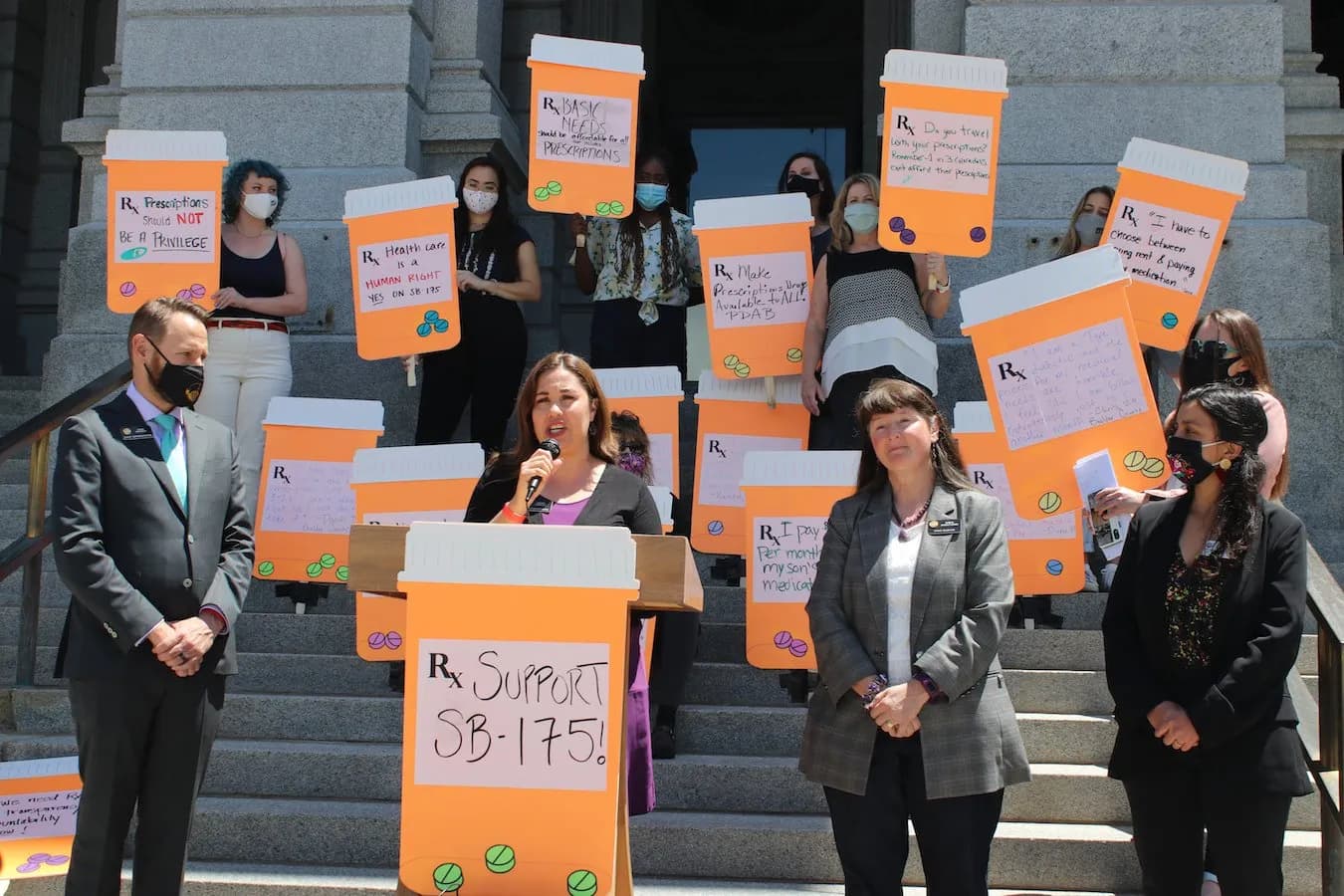
The PDAB was created by legislation co-sponsored by Democratic State Rep. Yadira Caraveo and signed by Gov. Jared Polis in 2021. It’s a first-in-the-nation model. Other states have affordability boards, but Colorado is the first to actually impose a cap on a specific drug’s price. This isn’t just theoretical policy. It’s a functioning mechanism that has already reviewed costs, gathered data, and made a binding decision.
The hearing revealed the complexity of the system. Amarg’s attorney had to explain how rebates and chargebacks work, terms that most locals never hear unless they’re reading their insurance statements. The judge’s frustration was palpable. If the system is this opaque, how can patients possibly understand what they’re paying?
Amarg’s lawsuit challenges the constitutionality of the PDAB’s authority. They argue the board overstepped. They claim the cap disrupts the federal regulatory framework. But the board’s job is simple: review the cost, declare it unaffordable, and set a cap. It’s not a new tax. It’s a price ceiling.
The outcome of this case will ripple through Colorado’s healthcare landscape. If the injunction is granted, the cap goes on ice. Patients will continue paying the higher price. If the cap stands, Amarg’s revenue from Enbrel in Colorado will drop. The company has already signaled it might adjust its pricing strategy nationwide if Colorado’s model succeeds.
The hearing was emblematic of the precarious footing for progressive health policy in Colorado. Polis made healthcare reform a major focus, establishing an Office of Saving People Money on Health Care. This case is a test of that vision. Will the state’s experiment hold up in federal court? Or will the pharmaceutical industry’s legal muscle override local affordability efforts?
Domenico said he’d issue a written ruling soon. Until then, the cap hangs in the balance. For the roughly 100,000 Coloradans with rheumatoid arthritis, the uncertainty is real. They’re waiting to see if their drug prices will drop or stay the same.
The bottom line: Amarg is betting that the federal court will side with them. They’re betting that the complexity of the supply chain justifies the high prices. But for locals, the question is simpler. Is a $2.2 billion global revenue stream worth more than affordable care for your neighbor? The judge seems to be leaning toward the latter, but the jargon is thick. And the money is deeper.
Keep up with Colorado
The day's Western Slope news, one email each morning. Free.




Federal Report Sets 200,000 Acre-Foot Water Conservation Target for Upper Basin

Colorado Parks and Wildlife Deploys Precision Drones for Weed Control