Aspen Airport Evolution Reflects Town's Growth and Challenges
Explore the complex history and development of Aspen Airport, from its humble beginnings to its current status as a major hub, and the challenges that come with balancing growth and preservation.

Aspen —As I stand on the outskirts of Aspen, the sound of planes humming in the distance, I'm reminded of the story of Timothy Stapleton, who homesteaded the land now known as Sardy Field, or more formally, Aspen/Pitkin County Airport, back in 1880. The wind carries the scent of freshly cut grass, and I can almost imagine the Stapletons, with their sidearms, guarding their land against would-be intruders. It's a far cry from the bustling airport we know today, but the idea of protecting and preserving this land remains a constant theme.
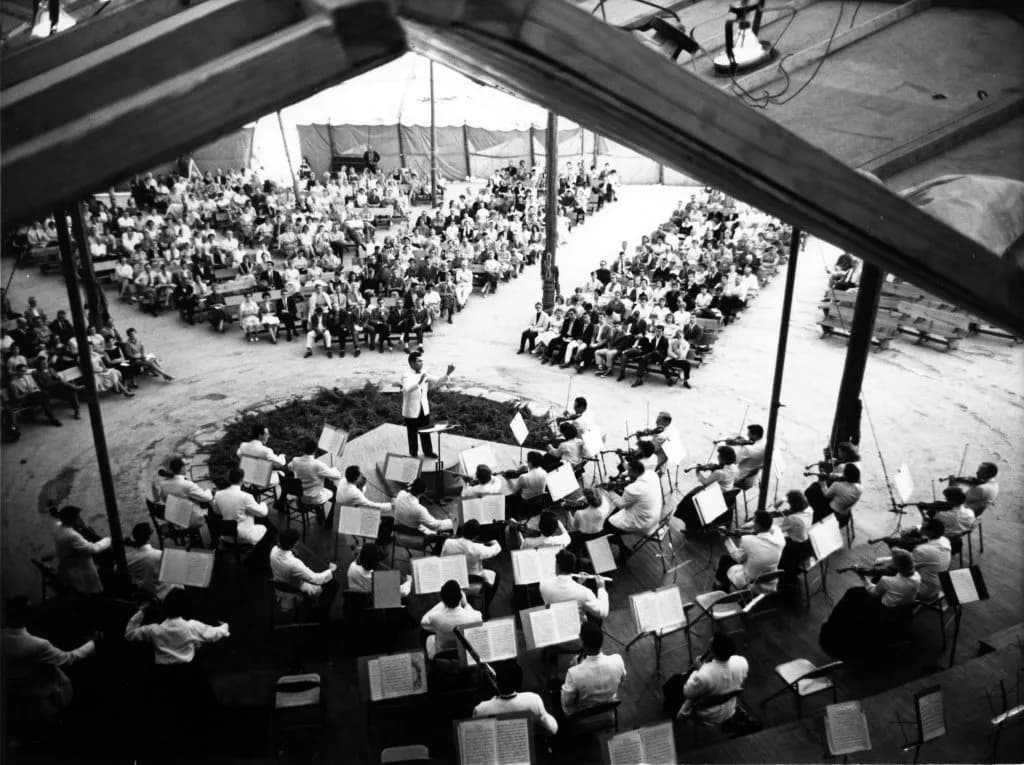
As I look out at the airport, I'm struck by the realization that this land has been a hub of activity for over a century. From its humble beginnings as a gravel runway to its current status as a major airport, it's played a significant role in shaping the town of Aspen into what it is today. The airport's history is inextricably linked with the town's growth, from the 1949 Goethe Bicentennial to the 1950 FIS World Championships, which brought visitors from around the world to this small mountain town. The sound of planes taking off and landing is a constant presence, and the smell of jet fuel hangs in the air, a potent symbol of progress.
But as I delve deeper into the airport's history, I'm also aware of the complexities and challenges that have arisen over the years. The debate over private versus commercial use, the paving of the runway, and the ongoing discussions about expansion have all been contentious issues. I think about the people who depend on air service to get in and out of Aspen, and the concerns they may have about the airport's future. The hum of the planes seems to grow louder, a symbol of the stakes involved in these decisions.
As I talk to locals, I'm struck by their passion and commitment to this town. They've lived with the reality of limited air service for years, and many have found ways to adapt and make it work. But when people say we must expand the airport for convenience and reliability, I'm left wondering what exactly that means. Is it about making it easier for tourists to visit, or is it about providing a better quality of life for residents? The questions linger, like the smell of smoke from a distant fire, which underscores the uncertainty of the situation.
I think about the people who have their own private jets, who have made the decision to park their planes in Rifle or Eagle. It's a choice that speaks to the complexities of air travel in this region, and the trade-offs that come with living in a remote, yet beautiful, area. The sound of the wind rustling through the trees is soothing, and it provides a sense of calm amidst the challenges we face in balancing growth and development with preservation and protection.
As I stand here, looking out at the airport, I'm aware of the weight of history and the uncertainty of the future. The airport may be a hub of activity, but its development will impact the community, the environment, and the very character of Aspen itself. And as we move forward, considering the impact of our decisions on this delicate balance will be crucial. The sun begins to set, casting a golden glow over the landscape, and I'm left with a sense of wonder, and a deep appreciation for the complexities of this place. The sound of the planes fades into the distance, leaving only the faint scent of jet fuel, which clings to the air.
Keep up with Aspen
The day's Western Slope news, one email each morning. Free.