Western Slope Residents Discuss Respectful Disagreement
Exploring the value of respectful disagreement in everyday conversations on the Western Slope, and how it can lead to more informed decisions and a stronger community.

Aspen —"I have a longtime friend who treats disagreement like a sport," Lewis Norton says, and I'm immediately drawn into the conversation, wondering what kind of friend would make a game out of disagreement, and what that would look like in everyday life, as we engage with each other on the Western Slope. As I consider Norton's words, I think about the times I've found myself in discussions with friends and neighbors, where a difference of opinion has sparked a lively debate, and I wonder, can we still have respectful conversations about the things that matter, without feeling like we're under attack?
Norton's friend, it seems, has a unique approach to conversation, one that involves taking the opposite side of an argument, not to provoke or derail, but to "pressure-test" ideas, and I have to admit, I'm intrigued by this approach, and the potential benefits it could bring to our community, where we often struggle to find common ground on issues like land use, water rights, and economic development. By considering alternative perspectives, we might uncover blind spots, and make more informed decisions, ones that take into account the diverse needs and values of our community.
As I reflect on Norton's words, I think about the role of contrarian thinking in our community, and how it can be a valuable tool for growth, and innovation, if done well. A good contrarian, Norton suggests, doesn't aim to provoke, but to explore, to ask questions that open doors, rather than close them, and to listen as much as they speak. This approach requires a level of discipline, and respect, that can be challenging to maintain, especially in a world where social media often amplifies extreme views, and can make it difficult to engage in nuanced, thoughtful discussions.
I think about the times I've seen conversations escalate quickly, on social media, or in person, where a simple difference of opinion turns into a full-contact debate, and I wonder, have we lost the ability to hear a different perspective without assuming the worst? Norton's example of the actor who avoided social media, after being misinterpreted, highlights the risks of speaking up, and the potential consequences of being misunderstood, and I think about how this might impact our community, where we value open communication, and collaboration.
As I consider the dilemma that Norton presents, I think about the importance of creating spaces, where people feel safe to share their perspectives, without fear of judgment, or retribution, and I wonder, what would it take for us to cultivate an environment that fosters thoughtful discussion, and constructive debate? If every opposing view is treated as a personal attack, we don't just silence contrarians, we also miss out on the opportunity to learn from each other, and to find common ground, and I think about the potential costs of this, for our community, and our democracy.
The sound of the wind rustling through the trees, on a crisp autumn day, is a reminder that even in the midst of disagreement, there is beauty to be found, and a sense of calm, that can help us find our footing, and I think about how we can apply this sense of calm, and respect, to our conversations, as we strive to build a more just, and equitable society, where everyone has a voice, and a chance to be heard. As I look out at the landscape, I see a community that is worth the effort, worth the struggle, to create a space where we can engage in respectful, contrarian thinking, and I wonder, what will you do, to help create this space, in your own life? The smell of freshly brewed coffee, wafting from the local café, is a reminder that even in the midst of disagreement, there is always something to be shared, and the aroma fills the air, as people gather to discuss, and learn from each other.
Keep up with Aspen
The day's Western Slope news, one email each morning. Free.
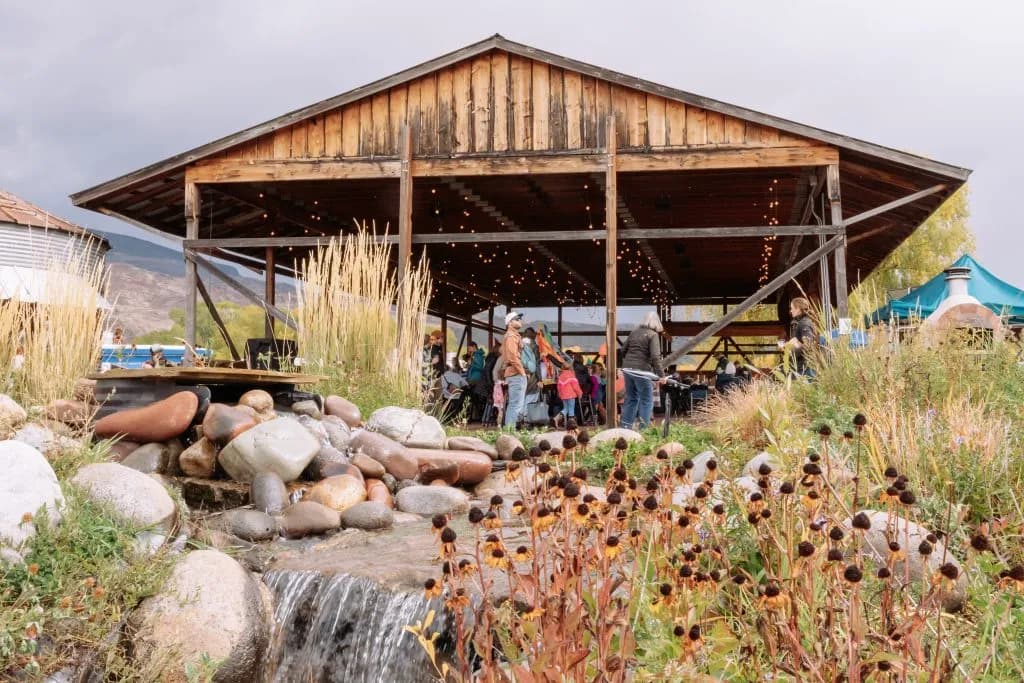
Aspen's ACES Returns Annual Harvest Party to Rock Bottom Ranch
Glenwood Ghostwalk Brings Frontier History to Life in Linwood Cemetery