Valley Residents Learn to Appreciate Magpies
Discover the fascinating world of magpies in our valley and learn to appreciate their intelligence and adaptivity.
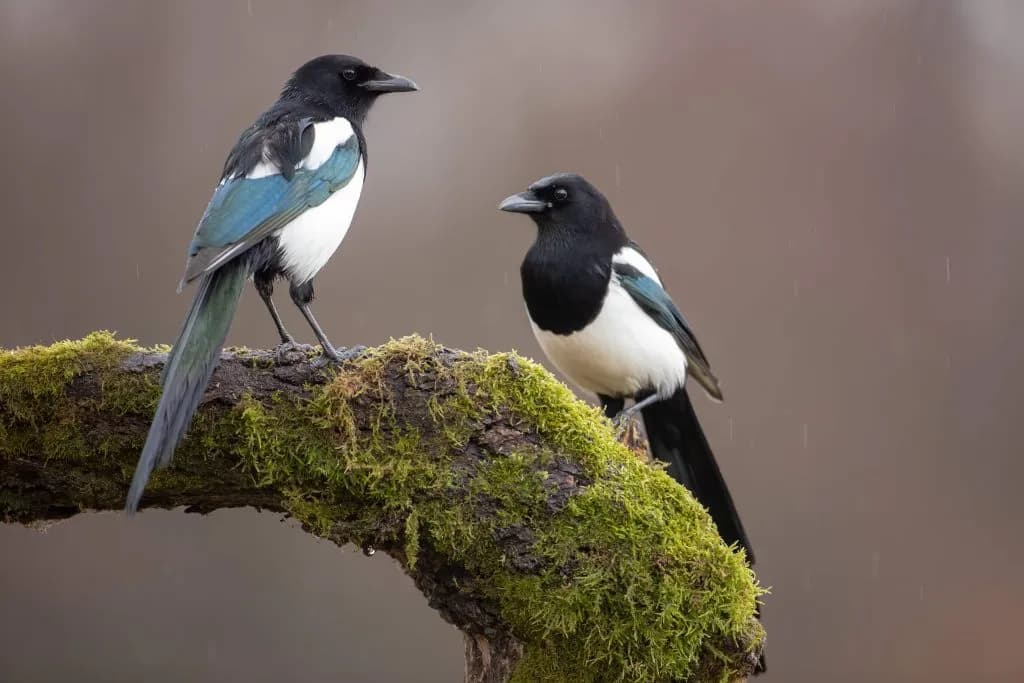
Aspen —$0 is what it costs to appreciate the intelligence and adaptivity of creatures, yet this value is often overlooked in our daily lives. For context, the frequency with which we interact with living things and the utility they provide for us often determines how we perceive their worth. Take the black-billed magpie, a ubiquitous bird species in our valley, frequently viewed as a nuisance. On paper, they may seem like a pest, but in practice, their behavior and social tendencies are remarkable and worthy of respect.
Let's do the math: if we consider the magpie's ability to recognize human faces, hold grudges, and mate for life, their value increases exponentially. According to the Cornell Lab of Ornithology, these birds are known to form long-term monogamous relationships, a trait that is rare in the animal kingdom. In our community, we have observed magpies exhibiting complex social behavior, such as hosting funerals for their dead kin. This behavior, where magpies congregate and bring offerings of grass, is a fascinating display of their intelligence and adaptivity.
In the valley, we have a unique opportunity to observe and learn from these birds. For example, a colleague recalls a story about a magpie, a dog, and a dead deer, where the magpie repeatedly dove-bombed the dog, leading it to the downed deer. This behavior, although seemingly aggressive, highlights the magpie's resourcefulness and ability to adapt to its environment. As scavengers, magpies rely on predators to access food, and their beaks cannot penetrate the hide of larger animals. The complex relationship between magpies and other species in the ecosystem underscores their importance in the valley's food chain, demonstrating a delicate balance that is essential to the ecosystem's health.
On my morning walks around the Walking Mountains campus, I have observed magpies engaging in flirtatious behavior, touching bills, and rapidly chittering back and forth. This display of language and behavior is a remarkable sight, and one that challenges our typical perception of these birds as pests. In fact, the more we learn about magpies, the more we realize that their value lies not in their utility to us, but in their unique characteristics and behaviors.
For locals, the presence of magpies is a familiar sight, and one that can be appreciated and respected. By shifting our anthropocentric perspective, we can begin to see the value in these birds and the important role they play in our ecosystem. In practice, this new perspective allows us to view magpies in a different light, rather than simply seeing them as a nuisance. The cost of this appreciation is $0, and the reward is a deeper understanding of the complex relationships within our ecosystem.
In our community, we have the opportunity to promote a culture of appreciation and respect for all living things, regardless of their perceived utility. By doing so, we can work towards a more inclusive and sustainable environment, where the value of species like the magpie is recognized and cherished. The black-billed magpie, once viewed as a pest, can become a symbol of the beauty and complexity of nature, and a reminder of the importance of preserving and protecting our ecosystem. For folks around here, adopting this mindset will lead to a greater sense of responsibility to protect the natural world. The practical impact of this shift in perspective is a change in how we interact with and perceive the natural world. People in the valley will need to reassess their relationship with the environment, recognizing the value of all species, regardless of their utility to humans. The cost of this approach is not monetary, but rather a change in our mindset and behavior. The reward is a more sustainable and equitable environment, where the beauty and complexity of nature are cherished and protected.
Keep up with Aspen
The day's Western Slope news, one email each morning. Free.
Aspen's ACES Returns Annual Harvest Party to Rock Bottom Ranch
Glenwood Ghostwalk Brings Frontier History to Life in Linwood Cemetery