Aspen Artist Richard Carter Sees Creative Class Erosion
Longtime Aspen artist Richard Carter explains how soaring housing costs are pricing out the support staff and tradespeople essential to the town's cultural infrastructure.
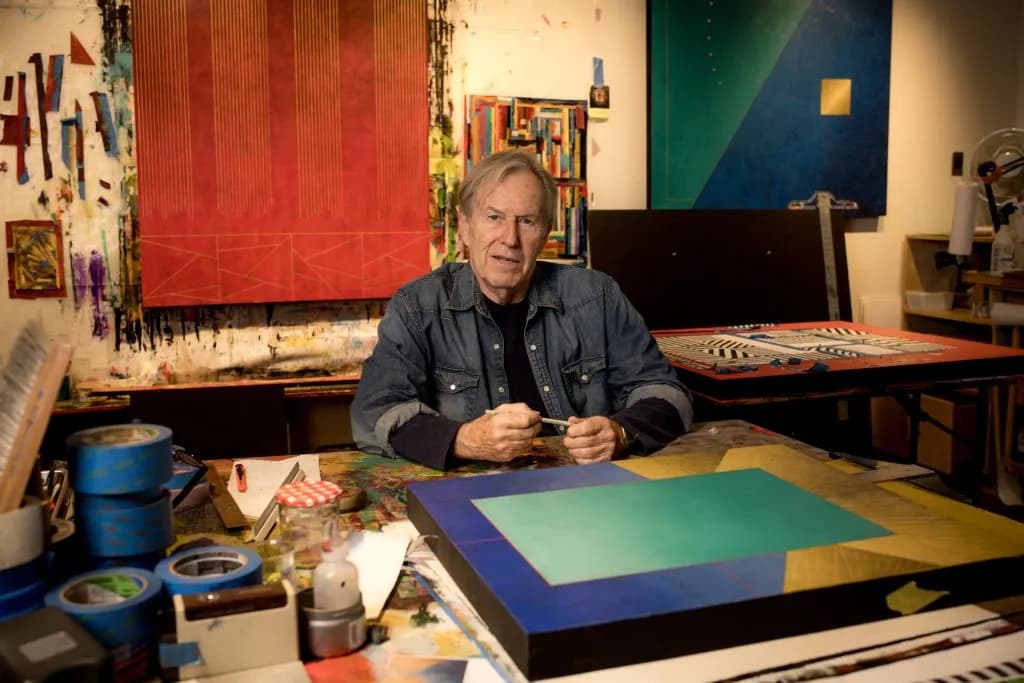
Aspen —The dust on U.S. Highway 82 still settles differently than it did when Richard Carter first pulled off the pavement in April 1971. Back then, Aspen had few sidewalks, no traffic lights, and empty lots that stretched toward the mountains like unfinished promises. Carter, a young artist from the East Coast, called it "fantastic." He didn't know yet that the town would eventually price out the very people who built its cultural reputation.
Carter is still here. He’s still making things. But the ecosystem that allowed him to thrive — that loose, creative, slightly chaotic network of artists and tradespeople — is fracturing under the weight of a housing market that treats creativity as a luxury add-on rather than a foundational necessity.
Let’s look at the math of survival. Carter worked as a production designer in movies for 35 years, mostly doing commercials. That job provided health insurance, a pension, and a steady income. It covered the studio space. It covered the rent. But it didn't guarantee that his support staff would stay.
"I don’t have studio assistants anymore; they had to move," Carter said. "I had an incredibly talented carpenter I’ve worked with for years who had to leave because he couldn’t afford it here anymore."
That’s the quiet erosion of the local creative class. It’s not just about artists moving out; it’s about the infrastructure of art collapsing. You can’t have a museum, a campus, or a gallery without the carpenters, the painters, and the assistants who fill the hours between big ideas. When the carpenter leaves, the cost of maintenance goes up. When the assistant leaves, the overhead for the artist goes up. The result is a smaller, more exclusive, and ultimately more fragile cultural scene.
Carter’s path to staying wasn't just luck. It was hustle. He worked construction for a year before a chance encounter with a local newspaper writer led him to Herbert Bayer, the legendary Bauhaus artist. Carter had no formal education. He was nervous. He went to the library to look up who Bayer was. Bayer hired him anyway.
"The biggest lesson was the practice of getting up every day and going to work," Carter noted.
That discipline built Aspen’s visual arts backbone. Carter drove past the old powerhouse every day, wondering what to do with the crumbling structure. When the city bought the powerhouse, the Wheeler Building, and the old hospital, asking citizens’ groups for input, Carter saw the opening. He gathered other artists. They spent three years planning, designing, and hiring. The city gave them the building and paid for the renovation. It became the Aspen Center for the Visual Arts, now the Aspen Art Museum.
It was a public-private partnership before the term was buzzword enough to be meaningless. The city provided the asset; the community provided the labor and vision.
Today, the economy has shifted. The "fantastic" emptiness of 1971 is now a "fantastic" density of high-end retail and second-home investors. The people who make the place interesting are priced out. Carter still focuses on what comes next, but the "next" looks different. It’s smaller. It’s more expensive. It’s less accessible.
The practical impact on locals isn't just about losing a gallery opening. It’s about the loss of the middle layer of the economy. It’s about the carpenter who can no longer afford to live in the valley he helps maintain. For the artist, the inability to afford an assistant means higher overhead. The cultural capital of Aspen is being converted into real estate equity, and the dividend payout is shrinking for everyone who isn't already wealthy.
Keep up with Aspen
The day's Western Slope news, one email each morning. Free.