Aspen Bear Trash Intrusions Double to 388 This Year
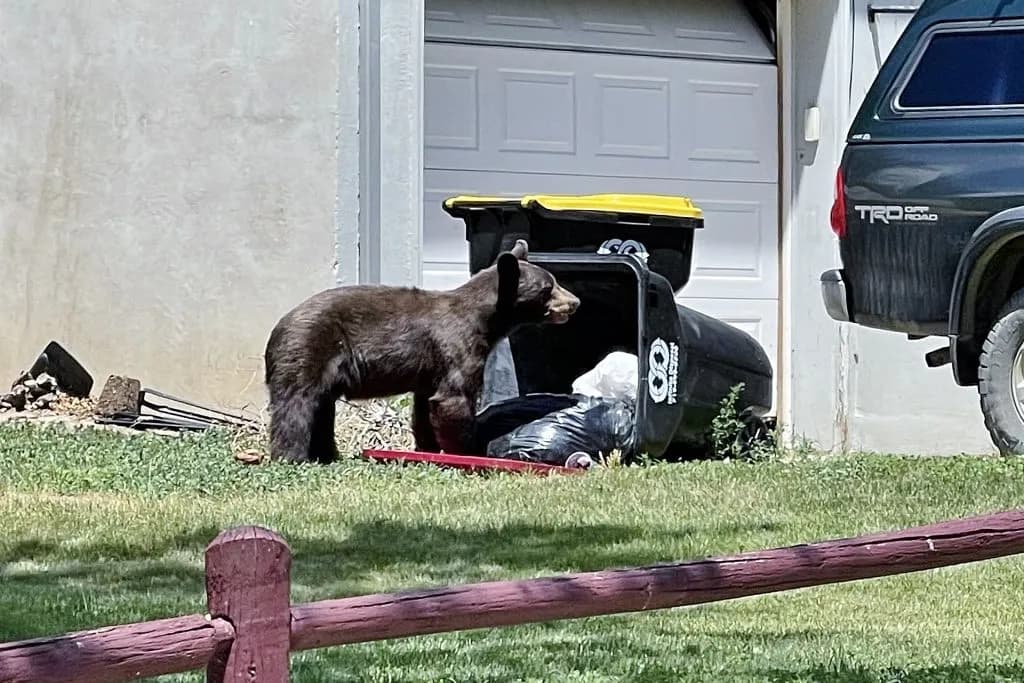
Aspen recorded 388 bear trash intrusions by mid-August, more than double last year’s count. City officials urge residents to latch lids and clean grills as drought-driven hunger drives bears into the valley.
Aspen —"Please don't feed them."
Those three words from Aspen Wildlife Coordinator Lara Xaiz carry the weight of 388 trash intrusions. That is the number the City of Aspen recorded from January 1 to August 19 of this year. To put that in perspective, let’s do the math. In the same period last year, 2025, the count was 167. In 2024, it was 91. We are looking at a more than doubling of incidents in a single year. It is not a slight uptick; it is a surge.
The Aspen Times reported on this spike, noting that the city is now urging everyone from homeowners to hotel staff to treat their trash cans like bear traps. Why the sudden rush? On paper, it sounds simple: bears are hungry. In practice, the reasons are complex. Drought, low snowpack, and wildfire have stripped away the natural food sources in the mountains. When a black bear can’t find berries or acorns, it comes down to the valley. And when it gets there, it finds us.
The city isn’t just asking nicely. They have issued 19 citations and tagged hundreds of containers with warnings. The rules are strict:
- Latches are mandatory. If your lid isn’t secured, the bear knows it’s an invitation.
- Grills are targets. Grease and food residue smell like a buffet to a bear with a nose for miles. Clean them after every use.
- Screens are not barriers. Bears can break through screens and pry open unlatched windows. Keep them closed, especially at night.
One of the most alarming trends this summer has been bears entering homes. If that happens, the advice is counterintuitive: leave. If it’s safe, get out and call 911. Do not corner the bear. Give it a path to exit. Stay outside until wildlife officers confirm it’s gone.
Feeding wildlife is illegal, yet it persists. Xaiz warns that feeding leads to "exponential challenges" for both species. A bear that loses its fear of humans is a dangerous bear. A human who expects bears to stay in the woods is a naive human.
The bottom line for locals is clear: your property maintenance habits are now a wildlife management issue. A loose trash lid isn’t just sloppy; it’s a beacon. A dirty grill isn’t just messy; it’s a magnet. As summer winds down and the bears prepare for hibernation, their hunger peaks. This is the critical window. Secure the attractants, latch the lids, and clean the grills. It’s a small amount of work to avoid a much larger headache. If you think your bear problem is minor, look at the number 388 again. That is a lot of trash intrusions for one city.
Keep up with Aspen
The day's Western Slope news, one email each morning. Free.